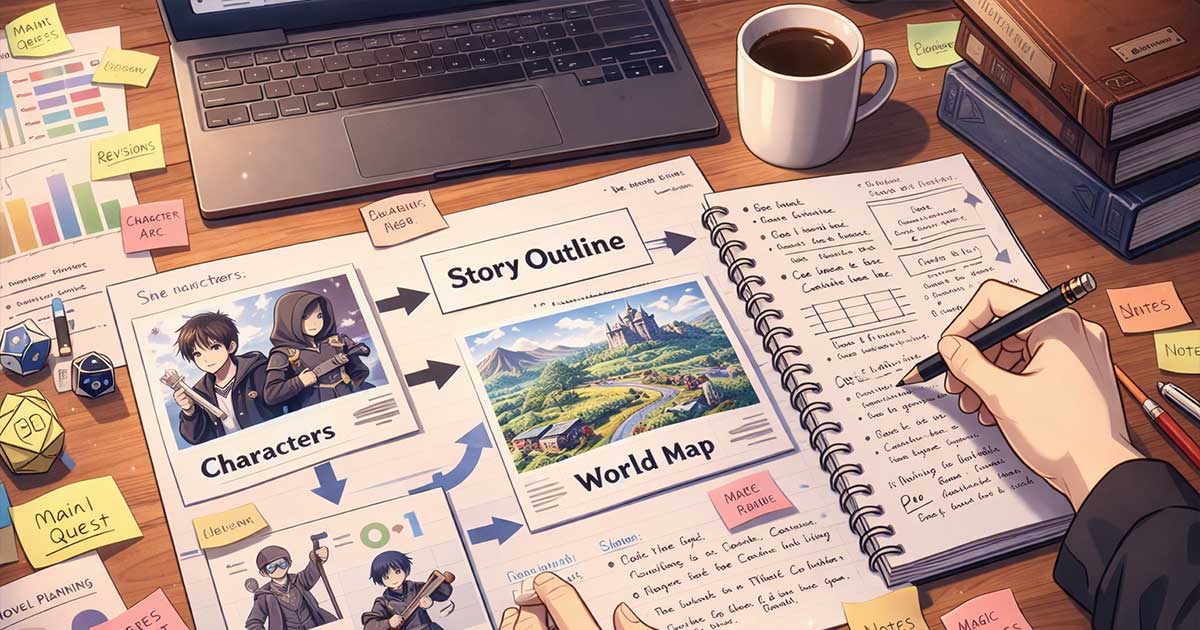

Writing — Methods, analysis, and behind-the-scenes craft
Writing forms the foundation upon which all dimensions of a narrative are built: storytelling, characters, worlds, and progression. This section approaches writing not as spontaneous inspiration, but as a structured process shaped by deliberate choices, techniques, and narrative trade-offs.
The focus here lies on the construction of a story: structural organization, rhythm management, character development, and the articulation between plot, world, and stakes. Writing is examined as a coherent set of mechanisms whose mastery determines readability, emotional impact, and narrative solidity.
Insights drawn from the development of the series ISEKAI – The Otherworlder’s Heir are used as concrete reference points. Reflections on narrative decisions, progressive refinements, and constraints specific to serialized storytelling help illustrate how a work evolves over time, from initial intent to published form.
Particular attention is given to writing practices as they apply to light novels and isekai. The conventions, reader expectations, and narrative tools specific to these formats are examined to show how writing choices adapt to a defined framework without compromising coherence or depth.
This space is intended for readers and writers seeking to better understand the mechanics of storytelling. It offers analytical perspectives and experience-based insights aimed at refining narrative method, critical awareness, and long-term creative consistency.
-
Building a Progression-Driven Protagonist
A Return of Experience with Arius Lovelace (Isekai) Characters & Emotional Dynamics In isekai, the question of progression comes up almost every time — and it is often reduced to a simple increase in power: more skills, higher numbers, greater advantages.Yet this kind of progression, effective as it may be in the short term, does…
-
WordPress Security for Independent Authors
How Invisible Attacks Can Destroy Your Visibility Without You Knowing This article is intended for independent authors who manage their own websites.It is not written for IT specialists, but for creators who need to understand the real risks and the concrete actions required to protect their work. Like the sitemap—often seen as a minor technical…
-

The Author Website: Foundational Decisions and Embraced Independence
When visibility is discussed, many people think first of social media.This is a strategic mistake. Social networks are relays.The website, on the other hand, is the foundation. In a serious independent author’s approach, a website is not optional. It is the keystone of any long-term strategy — not because it is fashionable, but because it…
-

Why I Chose to Write an Isekai
Reader frustrations, authorial choice, and an assumed narrative framework Introduction — Why isekai naturally imposed itself I did not choose to write an isekai because it was fashionable.It imposed itself on me as the most natural response to my frustrations as a reader and to my ambitions as an author. Before writing, I spent a…
-

Understanding Kishōtenketsu in Light Novels
Why some Japanese stories do not revolve around conflict, but around a path Introduction When Western readers encounter a Japanese light novel — and even more so an isekai — they may experience a form of narrative dissonance that is difficult to articulate. The story seems to progress slowly. Certain scenes appear anecdotal. Important elements…
-
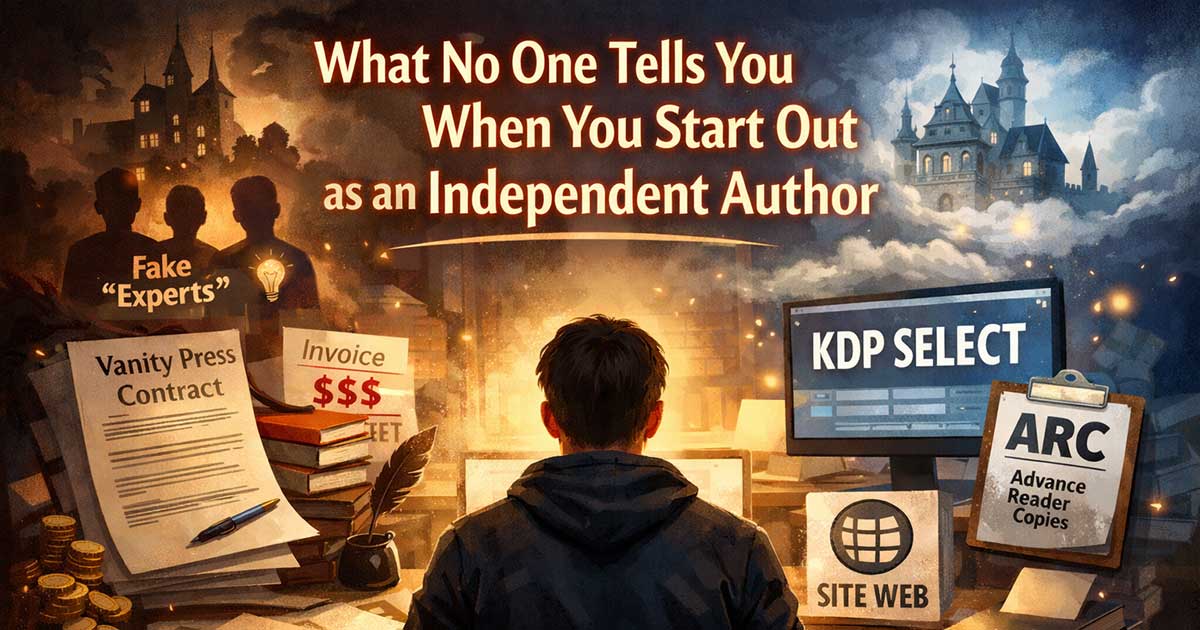
What No One Tells You When You Start Out as an Independent Author
When you start out as an independent author, you’re often driven by something simple: the desire to write, to publish, to be read. Naturally, you focus on the text, the story, the book. And that’s normal. It’s healthy. But very quickly, you discover another world—far less visible, rarely explained, yet decisive: the world of advice,…
-

Japanese Narrative vs Western Narrative
Foundations and Narrative Framework Introduction The question of Japanese narrative versus Western narrative is not merely a matter of cultural contrast. It involves structural choices, a philosophy of storytelling, and a different relationship between author, character, and reader. In the context of light novels and, more specifically, isekai, this difference becomes not only visible, but…
-
Worldbuilding: Building a Coherent Universe Without Explaining Everything — Rules, Margins, and Invisible Decisions
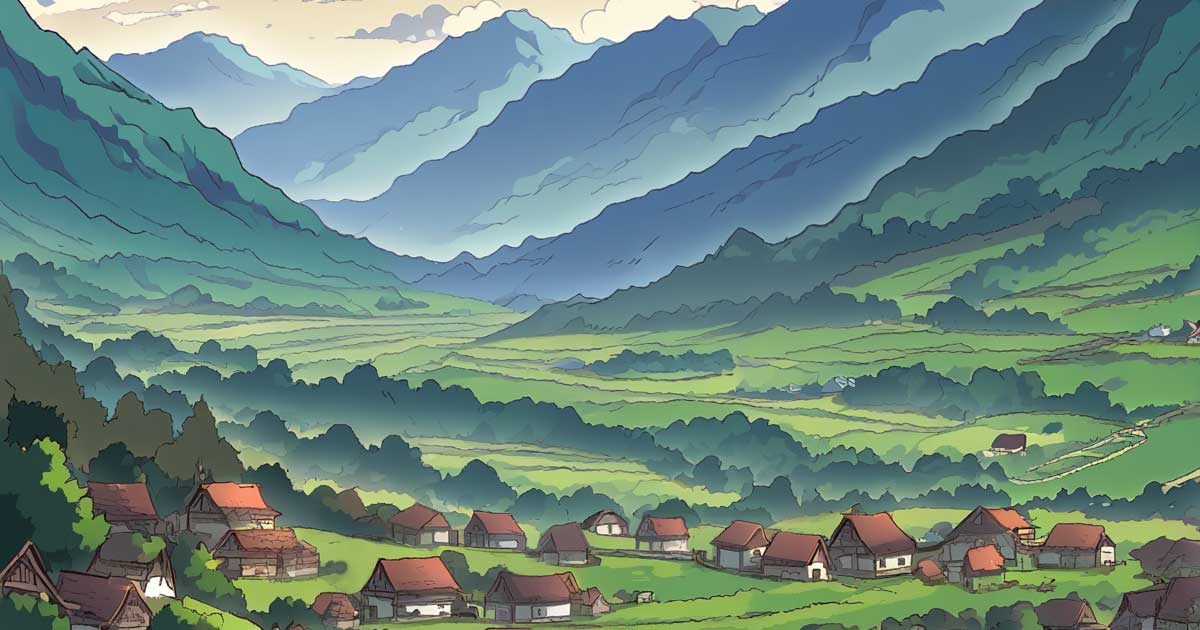
Worldbuilding is one of the pillars of a coherent universe in fantasy and isekai. Building a believable world does not mean explaining everything, but establishing structuring rules, a stable internal logic, and invisible decisions that can support the story over time. In this article, I am not describing a specific universe. I am presenting a…
-

Publishing Is Not Just Writing: Building Editorial Coherence
Structuring an author’s presence is not simply a matter of publishing regularly. It requires an editorial line designed to hold over time, genuine respect for the reader, and solid organization—especially when publishing in two languages. This approach is neither spectacular nor immediately visible, yet it determines everything that follows. As you read these lines, several…
-

Writing with Artificial Intelligence: Method and Limits
Method, Tone, and Tools Writing a light novel means constantly balancing emotion, coherence, and readability. Artificial intelligence helps me maintain that balance—without ever taking the pen from my hands. Writing Choices Writing is built on precise choices: level of language, tone, rhythm, and point of view. In a light novel, these elements are decisive. I…