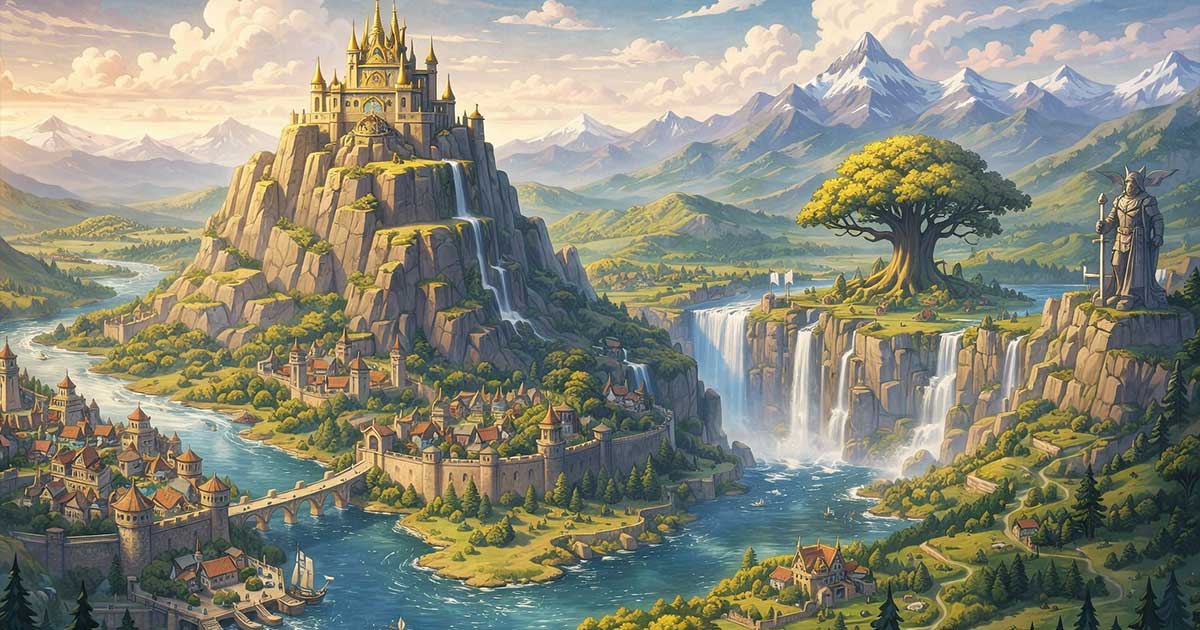

Fantasy kingdoms — Crowns, borders, and shifting balances
Fantasy kingdoms refer to the political, cultural, and symbolic spaces at the heart of many fantasy narratives. They are more than borders drawn on a map: each kingdom embodies a worldview, a way of ruling, believing, and living. Castles, capitals, distant provinces, or contested lands become meaningful places where power, memory, and ambition intersect.
Within a fantasy world, the kingdom structures the story as much as the plot itself. Its laws, hierarchies, and internal tensions shape the characters’ choices and guide the course of events. A fragile throne, an uncertain succession, or a disputed border can be enough to spark alliances, betrayals, and open conflict. Political space thus becomes a narrative engine in its own right.
Fantasy kingdoms are also defined by their diversity. Some belong to medieval fantasy, with feudal orders and long-standing traditions; others emerge within epic fantasy, shaped by vast empires, large-scale wars, and collective stakes. In every case, a kingdom’s identity is forged through its history, its myths, and the stories it tells about itself.
The coherence of these realms relies on careful worldbuilding. Geography, resources, belief systems, power structures, and systems of magic must interact to create a believable balance. A well-designed kingdom feels as though it exists beyond the immediate narrative, strengthening immersion and giving weight to the story.
This section brings together articles devoted to fantasy kingdoms, their construction, and their narrative role. The texts gathered here explore how these entities shape fictional worlds, influence character arcs, and provide a framework for stories of adventure, power, and transformation.
-
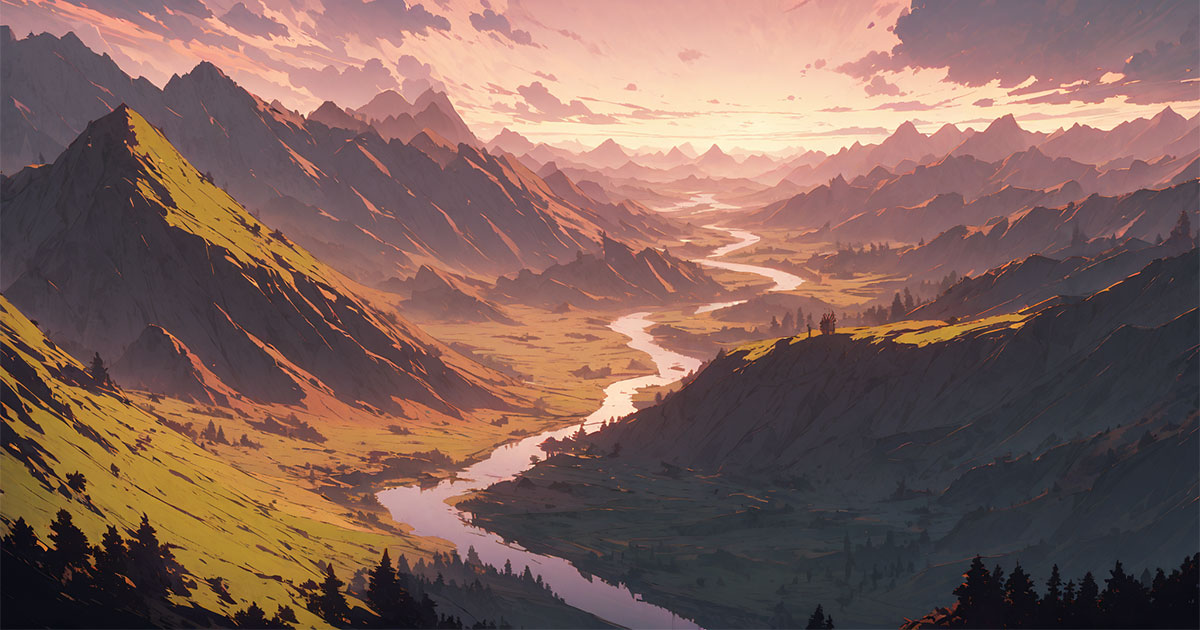
Why Lore Is Essential in an Isekai
You can’t build a story on empty space The issue is simple: when you set out to build an isekai and want to combine action, challenges, humor, romance, or drama, none of it can exist in a vacuum.These elements do not emerge on their own. They arise from interactions, shaped by an environment, social rules,…
-
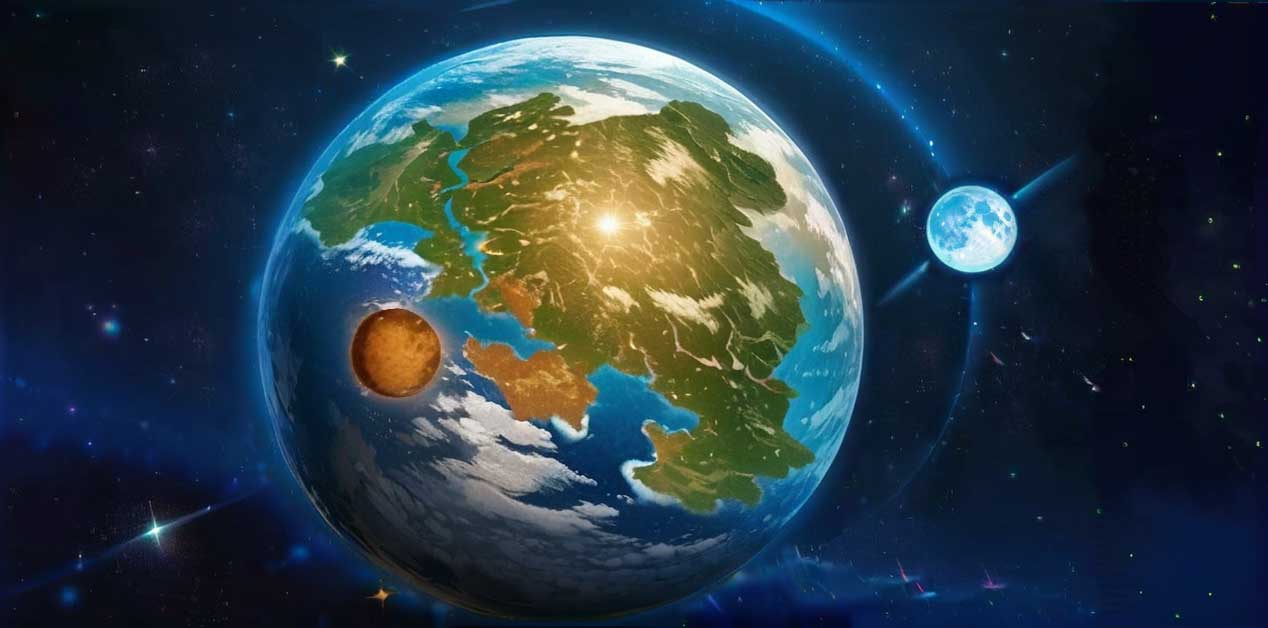
The Great Land
The birth of a myth People say that before the arrival of the second moon — Vespera —, at the dawn of the cataclysm that marked the birth of a new era, no one knew what shape the world truly had. Nations lived by the rhythm of the seasons, convinced that the land simply stretched…