

Narrative writing — Shaping stories through structure, pacing, and perspective
Narrative writing refers to the set of conscious choices that transform an idea or a plot into a reading experience. It is not limited to style or the beauty of sentences: it encompasses rhythm, focalization, information control, and the way the story guides the reader from one scene to the next. At this level, writing ceases to be a simple vehicle and becomes a core tool of narrative construction.
Mastery of narrative writing first depends on the ability to organize the flow of the story. What should be shown, what should be withheld, and when? These decisions shape narrative consistency and determine the overall readability of the story. A well-written scene is not only effective in isolation: it fits into a logical sequence, prepares future developments, and gives weight to what has already been experienced.
This approach directly influences how characters take shape. Their thoughts, gestures, and reactions can only feel credible if they emerge from writing that respects the internal progression of the narrative. In this sense, narrative writing supports character development by avoiding artificial breaks or changes driven solely by plot convenience. It favors showing over explaining, and making the reader feel rather than being told.
Pacing also plays a central role. Writing that is too dense can suffocate the reading experience, while writing that is too elliptical risks losing the reader. Finding the right balance helps reinforce immersion, allowing the story to breathe while maintaining sustained tension. This sensitivity to tempo is especially visible in narrative forms such as light novel style, where clarity and fluidity are essential.
Finally, narrative writing is closely connected to world construction. In stories driven by worldbuilding, every description and every implicit or explicit rule must be integrated with precision to avoid destabilizing the fictional world. Writing then becomes a tool of cohesion, capable of linking plot, characters, and setting into a readable and living whole.
This section brings together articles dedicated to narrative writing in its many dimensions: story organization, pacing control, character construction, and the articulation of the fictional world. The aim is to explore how these writing choices shape the reading experience and make it possible to build strong, consistent, and engaging narratives over time.
-
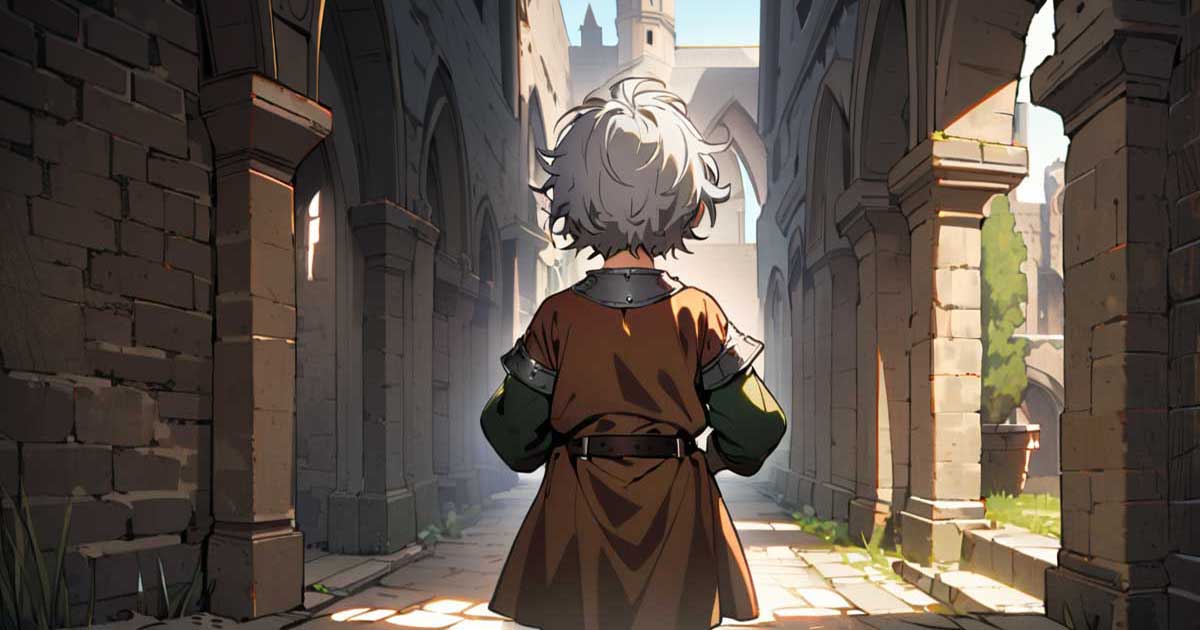
Building a Progression-Driven Protagonist
A Return of Experience with Arius Lovelace (Isekai) Characters & Emotional Dynamics In isekai, the question of progression comes up almost every time — and it is often reduced to a simple increase in power: more skills, higher numbers, greater advantages.Yet this kind of progression, effective as it may be in the short term, does…
-

The Author Website: Foundational Decisions and Embraced Independence
When visibility is discussed, many people think first of social media.This is a strategic mistake. Social networks are relays.The website, on the other hand, is the foundation. In a serious independent author’s approach, a website is not optional. It is the keystone of any long-term strategy — not because it is fashionable, but because it…
-

Why I Chose to Write an Isekai
Reader frustrations, authorial choice, and an assumed narrative framework Introduction — Why isekai naturally imposed itself I did not choose to write an isekai because it was fashionable.It imposed itself on me as the most natural response to my frustrations as a reader and to my ambitions as an author. Before writing, I spent a…
-

Understanding Kishōtenketsu in Light Novels
Why some Japanese stories do not revolve around conflict, but around a path Introduction When Western readers encounter a Japanese light novel — and even more so an isekai — they may experience a form of narrative dissonance that is difficult to articulate. The story seems to progress slowly. Certain scenes appear anecdotal. Important elements…
-

Japanese Narrative vs Western Narrative
Foundations and Narrative Framework Introduction The question of Japanese narrative versus Western narrative is not merely a matter of cultural contrast. It involves structural choices, a philosophy of storytelling, and a different relationship between author, character, and reader. In the context of light novels and, more specifically, isekai, this difference becomes not only visible, but…
-

Worldbuilding: Building a Coherent Universe Without Explaining Everything — Rules, Margins, and Invisible Decisions
Worldbuilding is one of the pillars of a coherent universe in fantasy and isekai. Building a believable world does not mean explaining everything, but establishing structuring rules, a stable internal logic, and invisible decisions that can support the story over time. In this article, I am not describing a specific universe. I am presenting a…
-

Publishing Is Not Just Writing: Building Editorial Coherence
Structuring an author’s presence is not simply a matter of publishing regularly. It requires an editorial line designed to hold over time, genuine respect for the reader, and solid organization—especially when publishing in two languages. This approach is neither spectacular nor immediately visible, yet it determines everything that follows. As you read these lines, several…
-

Writing with Artificial Intelligence: Method and Limits
Method, Tone, and Tools Writing a light novel means constantly balancing emotion, coherence, and readability. Artificial intelligence helps me maintain that balance—without ever taking the pen from my hands. Writing Choices Writing is built on precise choices: level of language, tone, rhythm, and point of view. In a light novel, these elements are decisive. I…
-

How to Share Worldbuilding Without Drowning the Reader – Fantasy & Isekai Writing
Balance, pacing, and information delivery in fantasy and isekai Introductory Summary Building a rich universe is essential in fantasy and isekai, but poorly delivered worldbuilding can quickly weigh a story down. This article explores how to avoid infodumps, preserve narrative pacing, and transmit information organically—without sacrificing depth or coherence. Introduction — The Invisible Worldbuilding Trap…
-

The Sitemap: A Misunderstood Tool, Real Risks, and Genuine Benefits
Introduction — sitemap, crawling, and indexing: why it matters A sitemap is a file (most often in XML format) that lists a website’s URLs and helps search engines understand its structure, hierarchy, and updates. In practical terms, it influences how a site is crawled and, indirectly, how its pages are taken into account for indexing.…