
Isekai Novel — Otherworld displacement, narrative consequences, and structural coherence
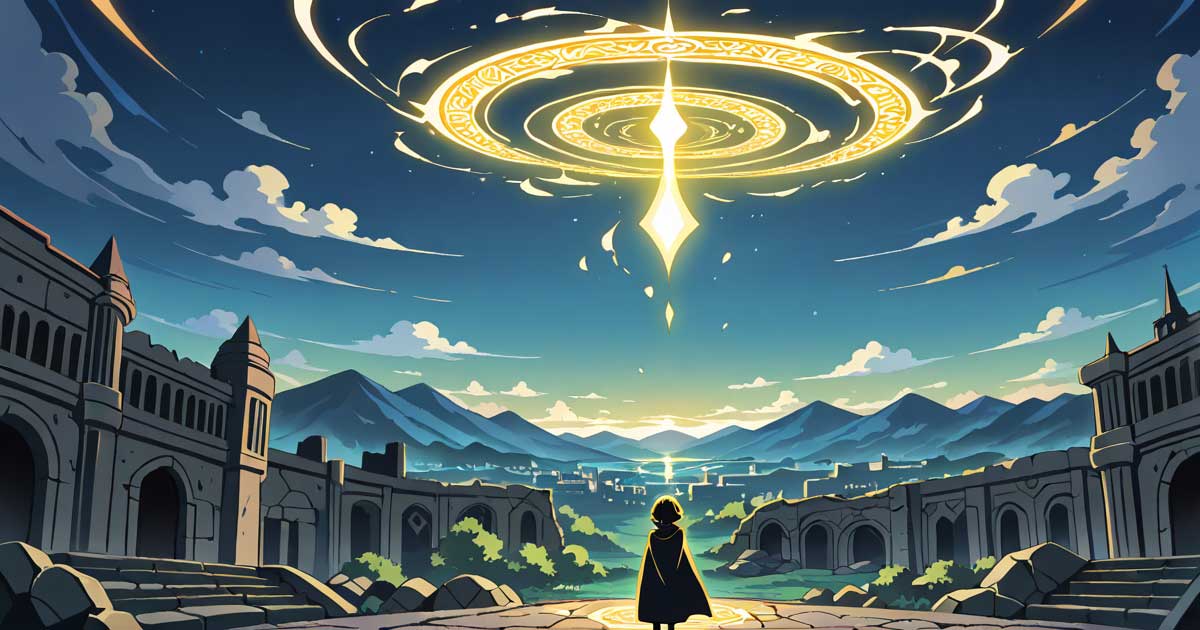
Isekai novel belongs to the field of isekai, approached through a fully novelistic lens. The transition into another world is not a narrative gimmick, but an event that durably reshapes the trajectory of the story.
The change of world displaces all reference points. The protagonist must confront rules, values, and structures that are not their own, and the narrative is built within that tension. What matters is not the speed of adaptation, but the consequences it produces.
Such a story requires a world capable of constraining choices rather than accommodating them. Societies, conflicts, and the implicit history of the host world must exert pressure on the plot. Worldbuilding therefore becomes a condition of credibility, not a narrative backdrop.
The pacing, often more restrained, allows for gradual transformation. Decisions made in the other world bind the character over time and demand strict continuity between causes and effects, making narrative consistency essential.
This section approaches isekai as a novel form in its own right, where the passage between worlds functions as a structural constraint shaping the story rather than a simple starting point.
-

Mana and Aether: How Fantasy Reinvents the Sources of Magic
Mana and aether have become two central concepts in modern fantasy. Whether we are speaking about high fantasy, RPGs, or light novel isekai, these two terms structure a significant part of contemporary magic systems. But what do they actually mean?Is there an official definition?Are they interchangeable, or fundamentally different? In this article, we will compare…
-

The Rhythm in Light Novels: Narrative Pace, Emotional Beats, and Reader Engagement
Understanding narrative rhythm in a light novel—and even more so the rhythm in an isekai—is essential to maintaining reader engagement. Contrary to a common misconception, rhythm is not simply a matter of speed. It is a precise rhythmic structure that organizes emotions, revelations, and narrative progression. In ISEKAI The Otherworlder’s Heir, rhythm management is not…