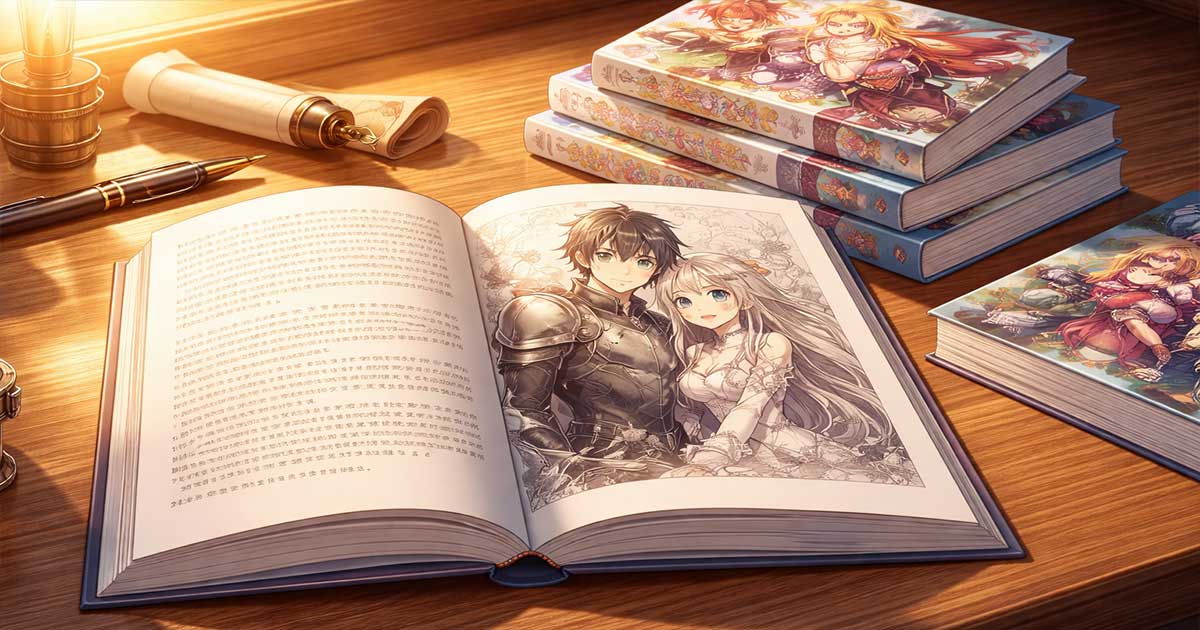

Light Novel — Analysis, writing, and specificities
The light novel constitutes a narrative format in its own right, whose specificities profoundly influence the way a story is written, structured, and paced. This section approaches the medium not as a simple derivative of the novel, but as a form of expression defined by its own codes, constraints, and narrative possibilities.
The perspective adopted here focuses on the close relationship between writing and readability, a defining trait of the light novel format. Volume-based structure, serialized progression, rhythm management, and the balance between narration, dialogue, and description are among the central elements examined. These formal choices directly shape how readers engage with a story over time.
A key aspect concerns the articulation between text and illustration. In light novels, imagery is not merely decorative; it contributes to character portrayal, atmosphere, and sometimes even to implicit narrative understanding. This interaction influences narrative focus and the construction of pivotal scenes.
The analysis also extends to genres frequently associated with this format, notably fantasy and isekai, whose narrative structures and conventions lend themselves particularly well to serialized storytelling. These elements are examined as narrative tools that can be understood, mastered, and adapted according to the intent of a given work.
This section therefore offers a space for reflection devoted to the light novel as a structured narrative format. It is intended for those who wish to analyze its mechanisms, understand its codes, and explore the creative possibilities it offers in terms of serialized storytelling and narrative efficiency.
-
Japanese Narrative vs Western Narrative
Foundations and Narrative Framework Introduction The question of Japanese narrative versus Western narrative is not merely a matter of cultural contrast. It involves structural choices, a philosophy of storytelling, and a different relationship between author, character, and reader. In the context of light novels and, more specifically, isekai, this difference becomes not only visible, but…
-
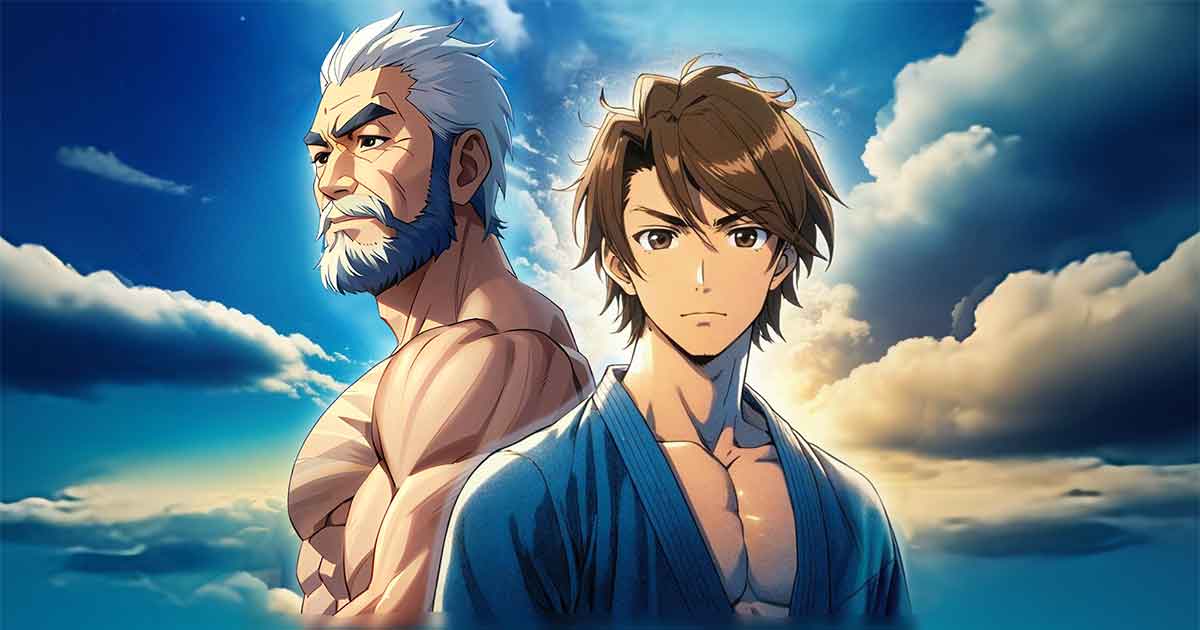
Michihiro Ikemizu
In the garden of Okinawa, family and press were gathered.A new record was about to be broken. Everything had been carefully prepared.The ground had been cleared with precision.The concrete blocks were aligned, their edges sharp, their surfaces still intact. Michihiro Ikemizu knew their density, their resistance, the exact way they would give under impact.His body…
-
From Passionate Reader to Creator: My Path to Light Novels
The COVID Context It all began during the COVID period. Successive restrictions created an artificial isolation that many people deeply felt. Even simple everyday actions became complicated. Like many others, I started looking for ways to escape—forms of entertainment capable of lightening the weight of that unusual time. I am not a heavy television consumer.…
-
Why Isekai Works So Well: Immersion, Progression, and Narrative Fantasy
Introduction Isekai is not merely a subgenre of Japanese fantasy. It is an extremely effective narrative device, designed to quickly capture the reader, immerse them in a codified world, and guide them through a gradual rise in power. If it works so well—whether in light novels, manga, or anime—it is neither by chance nor a…
-
What Is a Light Novel?
Born in Japan, the light novel is a fully fledged narrative format that is often misunderstood in the West. Neither a traditional novel, nor a manga, nor a simple spin-off of animation, it follows a very specific logic of reading, writing, and serialization. It most commonly takes the form of relatively short volumes, sometimes accompanied…
-
Novel, Manga, Light novel: What are the differences?
The terms novel, manga, and light novel are often used interchangeably, even though they refer to very different narrative forms, both in structure and in audience and intent. Understanding these distinctions not only helps readers choose works better suited to their tastes, but also prevents misunderstandings when discovering stories rooted in contemporary Japanese culture. The…
-
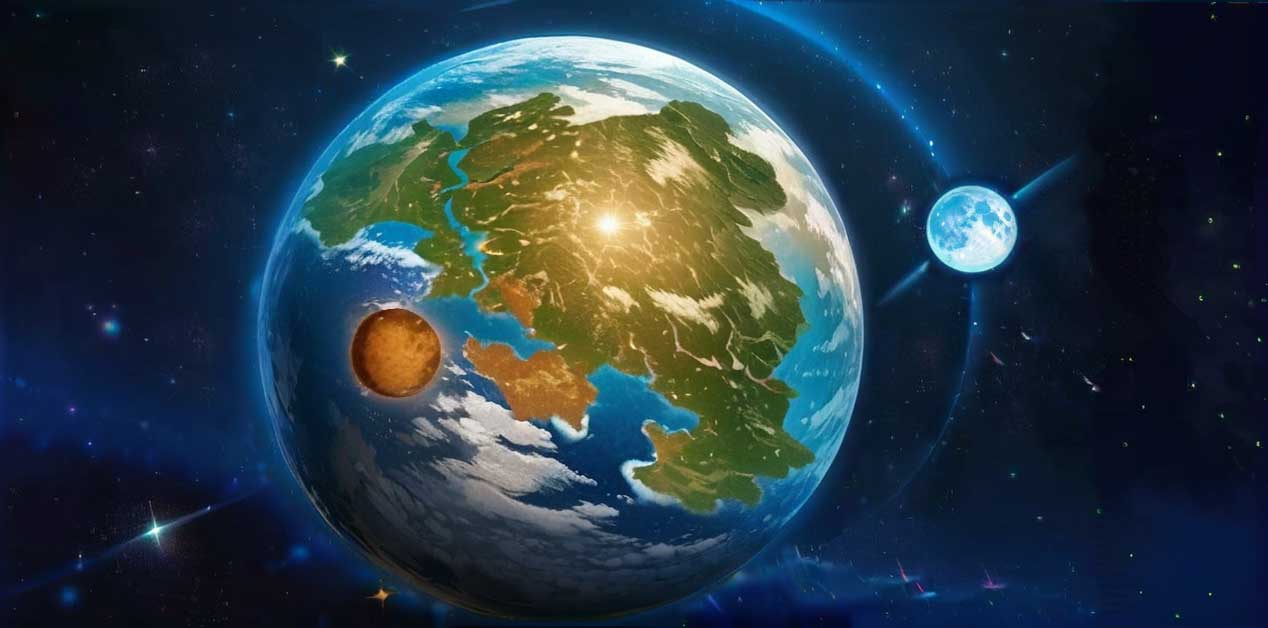
The Great Land
The birth of a myth People say that before the arrival of the second moon — Vespera —, at the dawn of the cataclysm that marked the birth of a new era, no one knew what shape the world truly had. Nations lived by the rhythm of the seasons, convinced that the land simply stretched…
-
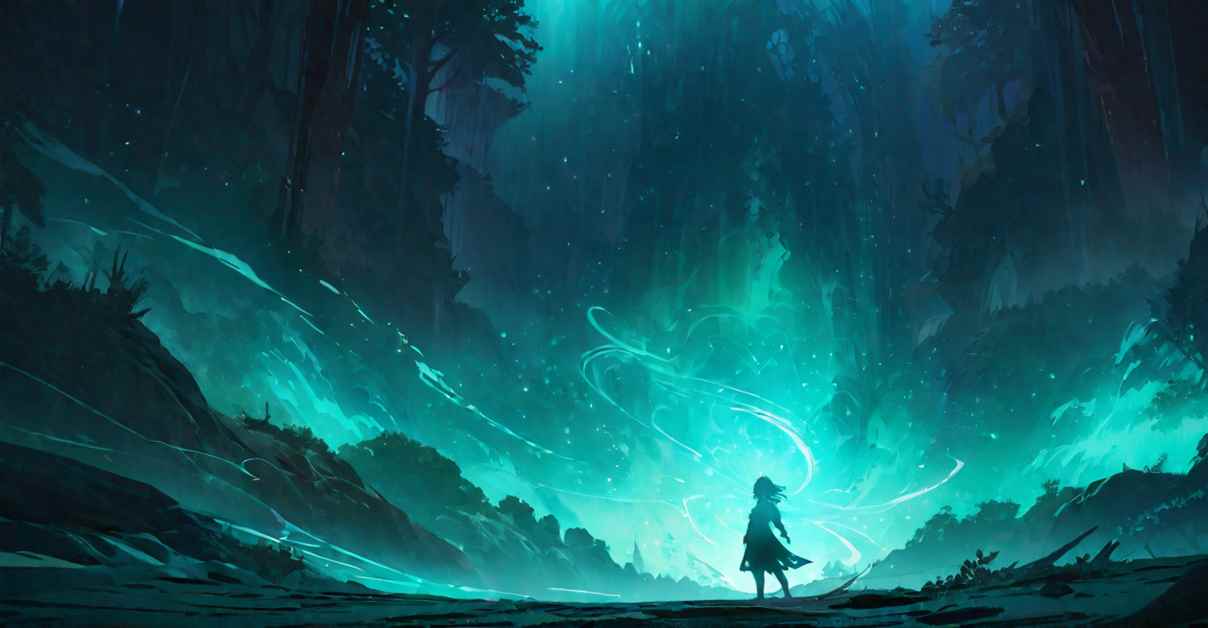
What Is an Isekai? Definition, Origins, and Genre Tropes
Isekai is one of the most popular genres in modern Japanese storytelling, spanning manga, light novels, and anime. It features a protagonist who is transported, summoned, or reincarnated into another world—often radically different from our own. Since the 2010s, isekai has experienced a spectacular rise. Sword Art Online, Re:Zero, Mushoku Tensei, Overlord—these titles pushed the…