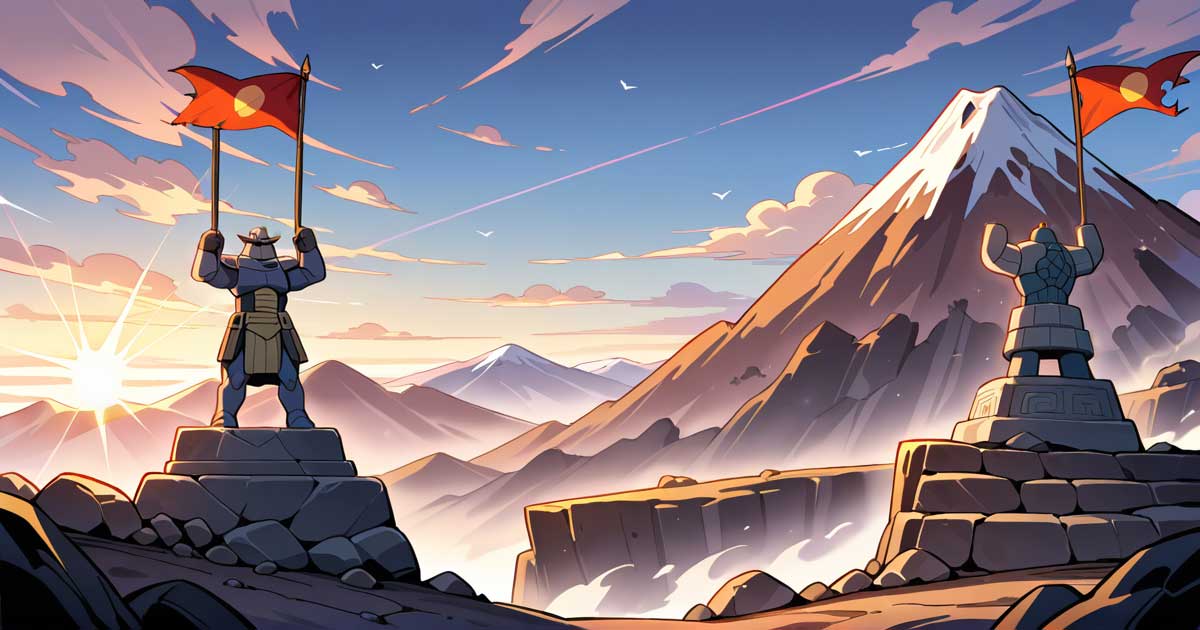

Heroic Fantasy — Quests, courage, and adventure codes
Heroic Fantasy is built around a central principle: the trial of the hero in a world that demands courage, sacrifice, and decisive choices. The narrative foregrounds figures called to act, to stand against adversity, and to confront forces that threaten the balance of the world. Victory itself is never the sole objective; what truly matters is how it transforms the one who achieves it.
Within a fantasy world, heroic fantasy relies on a clear and recognizable structure: a call, a quest, a succession of trials, and a final confrontation. These stages find their coherence in lore, traditions, and often a framing magic system that defines the limits of power. Readers advance alongside the hero, discovering the world through action rather than exposition.
This subgenre places strong emphasis on character development. Heroic feats gain meaning only when the protagonist doubts, fails, or pays the price of their decisions. Power progression is never free of consequence; it comes with increased responsibility and a sharper awareness of the world’s complexity. This tension sustains immersion and keeps the reader emotionally invested.
Heroic fantasy is also defined by its relationship to the collective. Even when centered on a single hero, it brings forward companions, mentors, and adversaries who embody contrasting values and worldviews. In war in fantasy or in more intimate conflicts, these secondary figures add moral depth and highlight the far-reaching consequences of heroic action.
From a writing standpoint, heroic fantasy demands balance between clarity and intensity. Narrative writing must remain fluid, sustaining momentum without undermining narrative consistency. When mastered, this form offers a strong sense of forward motion, where each step strengthens the bond between the reader, the hero, and the journey itself.
This section places side by side the foundations and variations of heroic fantasy, from its classic structures to its contemporary interpretations. It outlines a reading path that clarifies the role of the hero, the construction of quests, and the symbolic weight of heroic deeds, before leading into articles that explore these dimensions and their many expressions in greater depth.