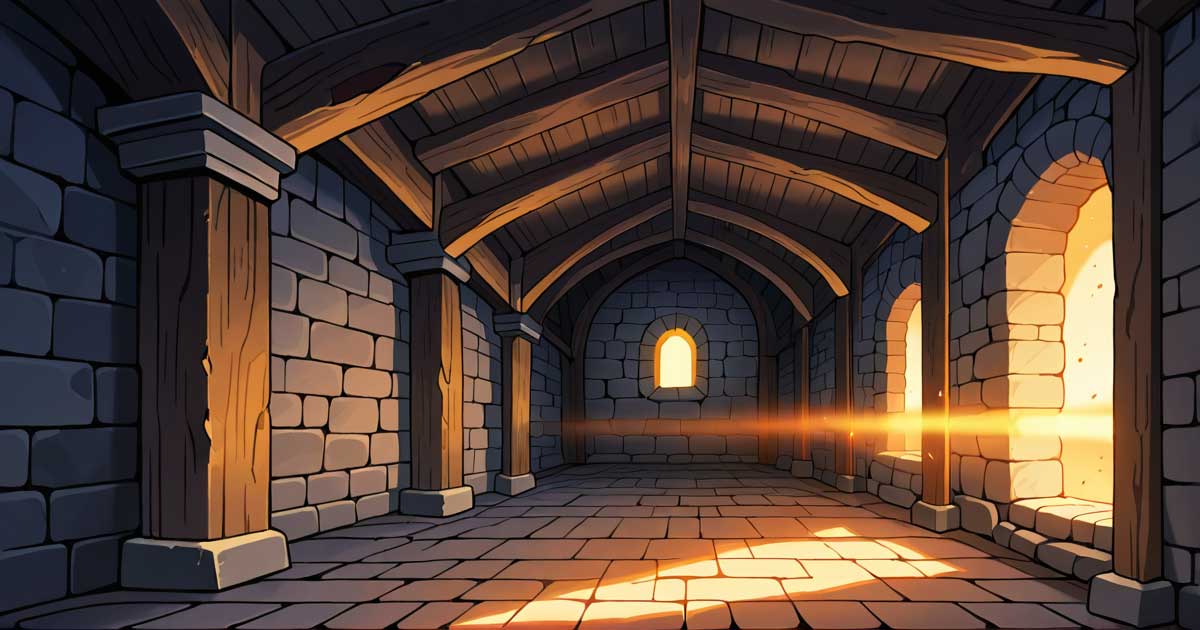

Illustration — Visuals as atmosphere, clarity, and a tool for consistent presentation
Illustration holds a distinctive place in fantasy and light novel narratives. Far from being a mere visual accompaniment, it actively contributes to worldbuilding and to the reading experience itself. A well-conceived illustration does not duplicate the text; it extends its atmosphere, suggests underlying tensions, and sometimes fixes lasting mental images in the reader’s mind.
Within a fantasy world, illustration serves as an anchor point. It gives form to lore, makes legendary creatures or fantasy kingdoms tangible, and helps readers navigate dense or unfamiliar settings. Through carefully chosen details, it deepens immersion while still leaving space for personal imagination.
In light novels and manga, illustration plays an even more pronounced narrative role. It works in close dialogue with the light novel style, punctuating key scenes and highlighting emotional turning points. A glance, a posture, or a framing choice can convey in a single image what several paragraphs merely suggest, creating a subtle balance between text and visual storytelling.
Illustration also contributes to portraying power progression and character development. By showing a character before and after a decisive trial, it makes transformation visible. In doing so, it becomes a narrative marker that reinforces narrative consistency and the continuity of the world.
From the author’s perspective, thinking about illustration means deciding what should be shown, what should be suggested, and what should remain unseen. It is a full-fledged tool of worldbuilding, demanding the same rigor as narrative writing, so that image and text move forward in the same direction.
This section turns its attention to the role of illustration in fantasy worlds, its narrative functions, and its editorial uses. It offers a reading path that highlights the relationship between image and story, before leading into articles dedicated to their interactions, aesthetic choices, and their impact on the reader’s imagination.
-
Novel, Manga, Light novel: What are the differences?
The terms novel, manga, and light novel are often used interchangeably, even though they refer to very different narrative forms, both in structure and in audience and intent. Understanding these distinctions not only helps readers choose works better suited to their tastes, but also prevents misunderstandings when discovering stories rooted in contemporary Japanese culture. The…