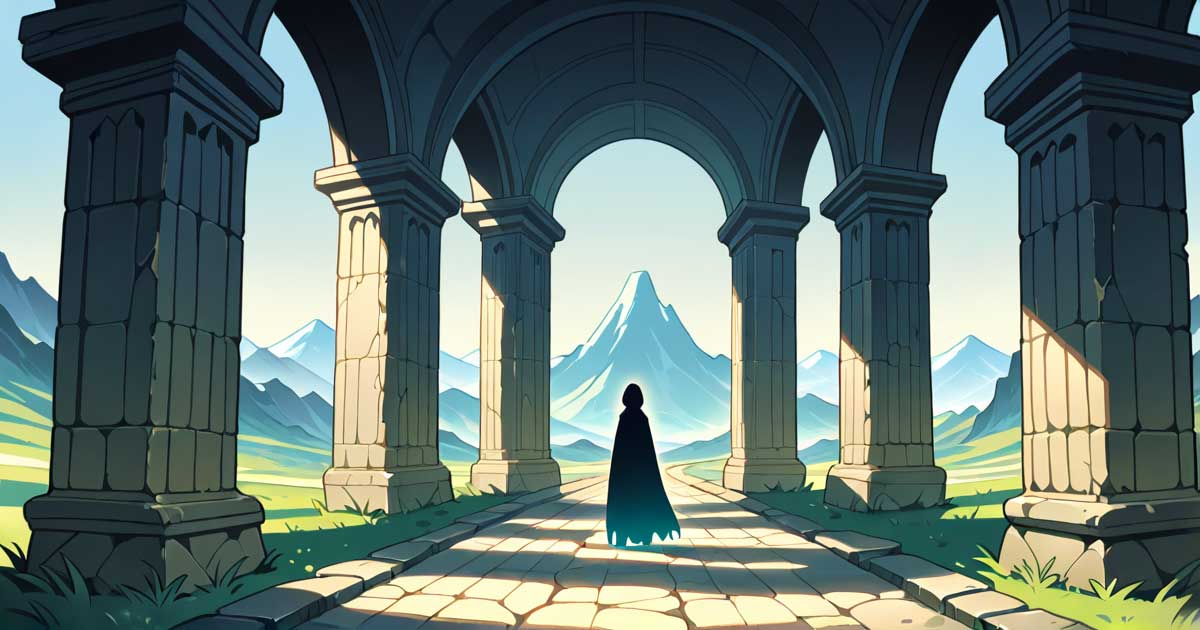

Isekai — Analysis, worldbuilding, and genre mechanics
The texts brought together here offer an analytical approach to the isekai genre, focusing on its narrative mechanisms, the construction of its worlds, and the internal rules that ensure their coherence. The aim is not to define isekai as a concept, but to examine how it operates when it is put into practice within a story.
The articles explore how isekai articulates the protagonist’s progression, the logic of the world, and narrative dynamics. They examine power systems, constraints imposed by the universe, notions of merit, inheritance, or transmission, as well as the consequences of these choices on character development and the evolution of the plot.
Particular attention is given to worldbuilding. In isekai, the world is never a mere backdrop : it is governed by precise laws, clear limitations, and internal structures—whether magical, social, or symbolic. Understanding these elements helps explain why some narratives feel solid and credible, while others quickly reveal their inconsistencies.
The texts also explore the mechanics specific to the genre: explicit or implicit progression, the management of second chances, the role of the protagonist’s past, and the articulation between narrative and systems. These mechanics are examined as narrative tools whose effectiveness depends primarily on their integration into the fictional world. They make it possible to examine the fundamental principles of isekai, its variations, and the ways in which the passage to another world is staged, interpreted, and integrated into the story, within broader frameworks belonging to fantasy.
This section therefore brings together reflections and analyses aimed at gaining a deeper understanding of isekai as a narrative genre. It is intended for readers who wish to move beyond surface-level tropes and examine the structure, balance, and writing choices that shape a coherent and well-crafted story.
-
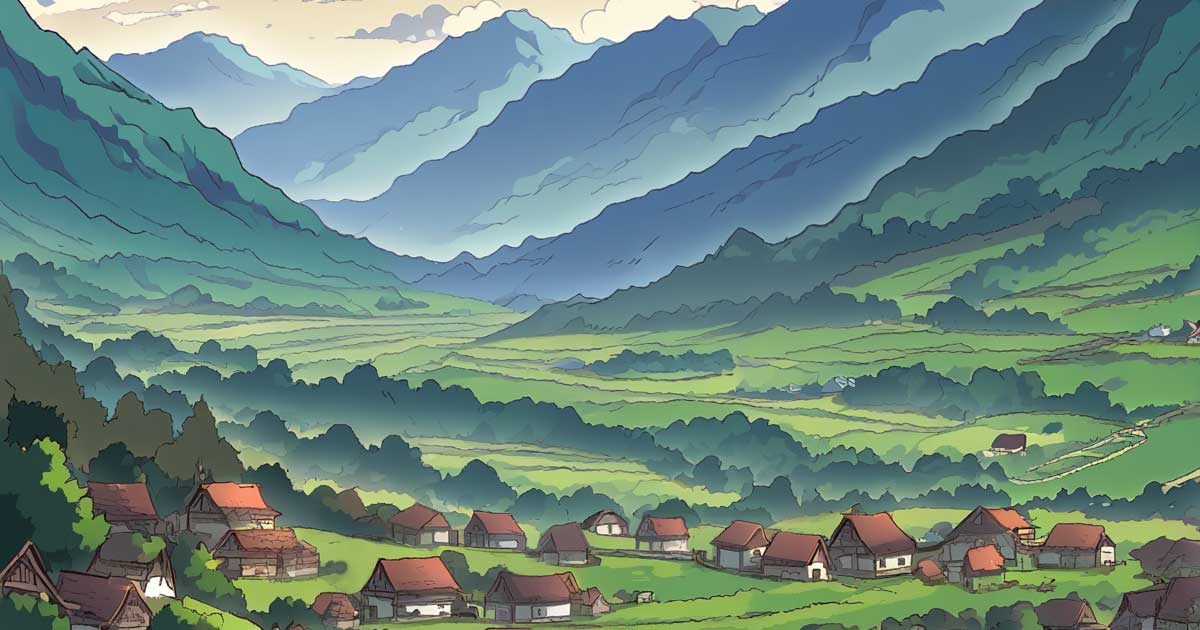
Worldbuilding: Building a Coherent Universe Without Explaining Everything — Rules, Margins, and Invisible Decisions
Worldbuilding is one of the pillars of a coherent universe in fantasy and isekai. Building a believable world does not mean explaining everything, but establishing structuring rules, a stable internal logic, and invisible decisions that can support the story over time. In this article, I am not describing a specific universe. I am presenting a…
-
Learning to Write: What You Don’t See at First
The 5% of Writing That Is Visible Writing is often thought of as style. In reality, style is only the tip of the iceberg. When I decided to start writing, I was aware of one thing: I possessed only a small fraction of the skills required. Perhaps five percent. The desire to tell a story,…
-
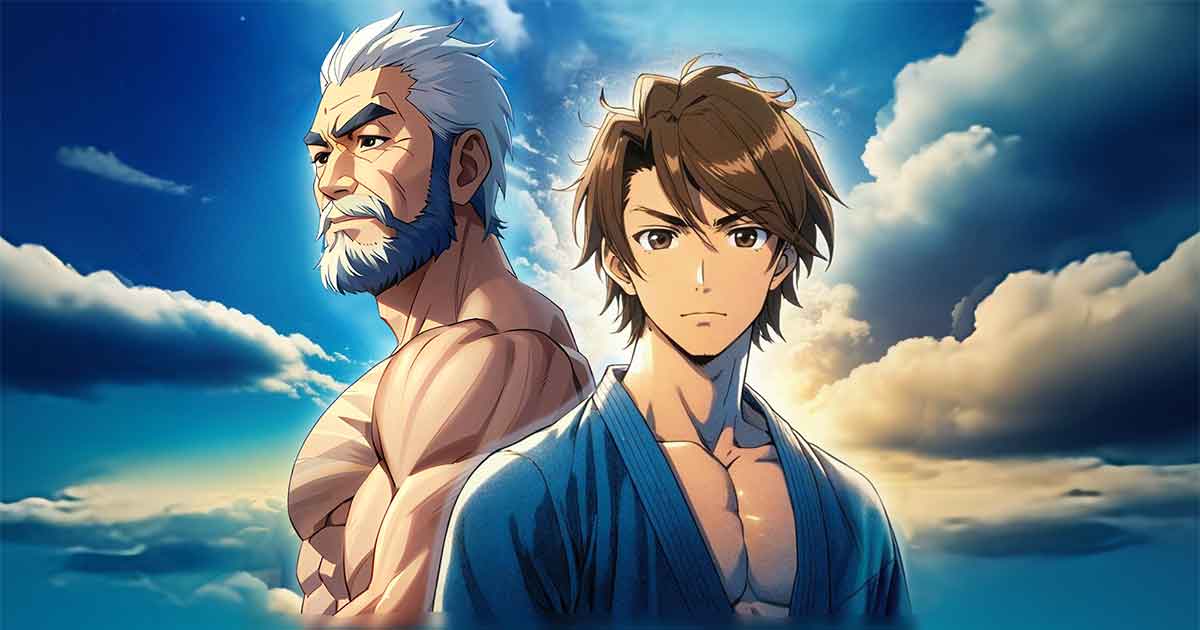
Michihiro Ikemizu
In the garden of Okinawa, family and press were gathered.A new record was about to be broken. Everything had been carefully prepared.The ground had been cleared with precision.The concrete blocks were aligned, their edges sharp, their surfaces still intact. Michihiro Ikemizu knew their density, their resistance, the exact way they would give under impact.His body…
-
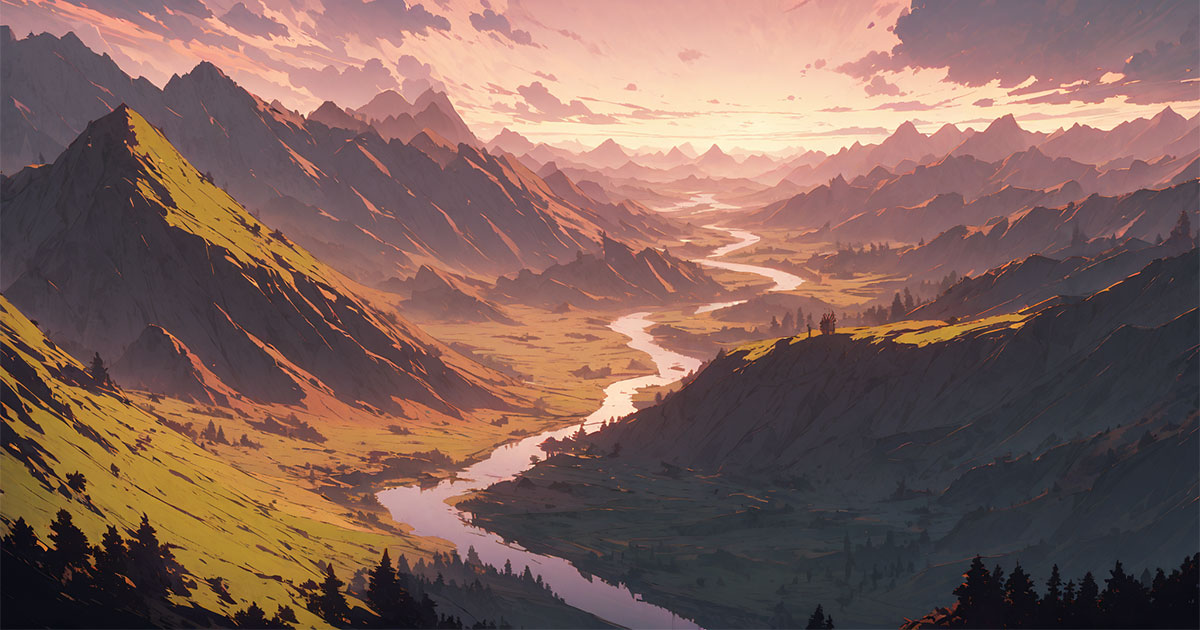
Why Lore Is Essential in an Isekai
You can’t build a story on empty space The issue is simple: when you set out to build an isekai and want to combine action, challenges, humor, romance, or drama, none of it can exist in a vacuum.These elements do not emerge on their own. They arise from interactions, shaped by an environment, social rules,…
-

Why Isekai Works So Well: Immersion, Progression, and Narrative Fantasy
Introduction Isekai is not merely a subgenre of Japanese fantasy. It is an extremely effective narrative device, designed to quickly capture the reader, immerse them in a codified world, and guide them through a gradual rise in power. If it works so well—whether in light novels, manga, or anime—it is neither by chance nor a…
-
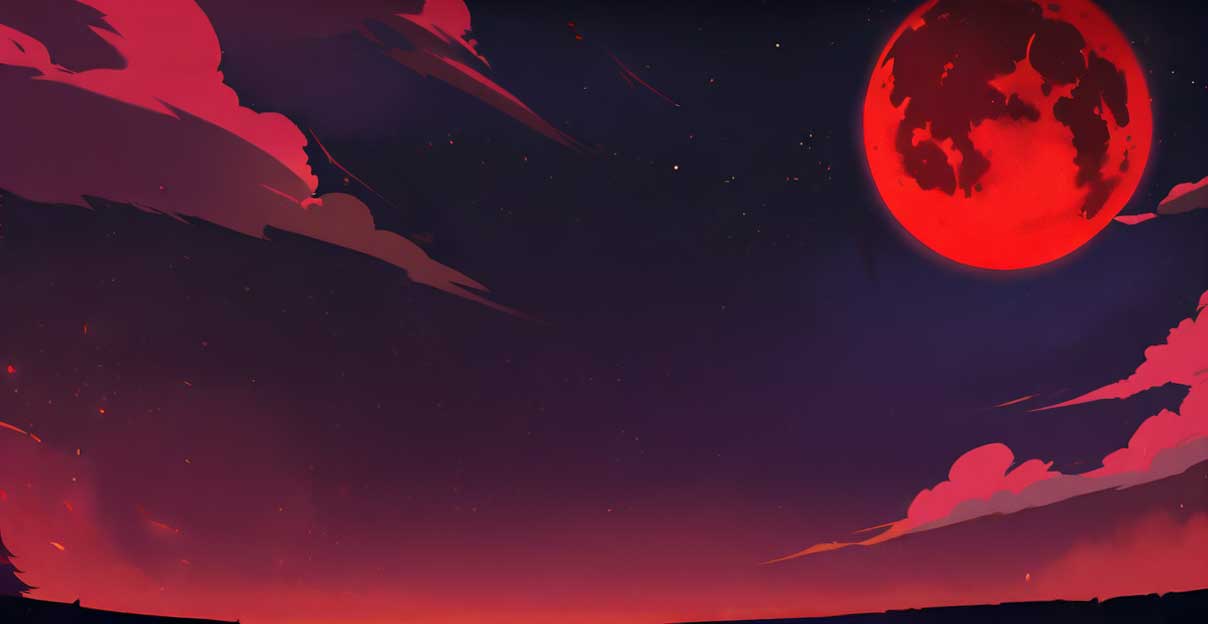
Vespera — The Red Moon
Meaning and Origin of the Name Vespera The name Vespera derives from the Latin word vesper, meaning “evening.” In ancient times, the term referred to the celestial body visible at twilight — the “evening star” — appearing when daylight fades but night has not yet fully taken hold. In classical tradition, this star corresponded to…
-
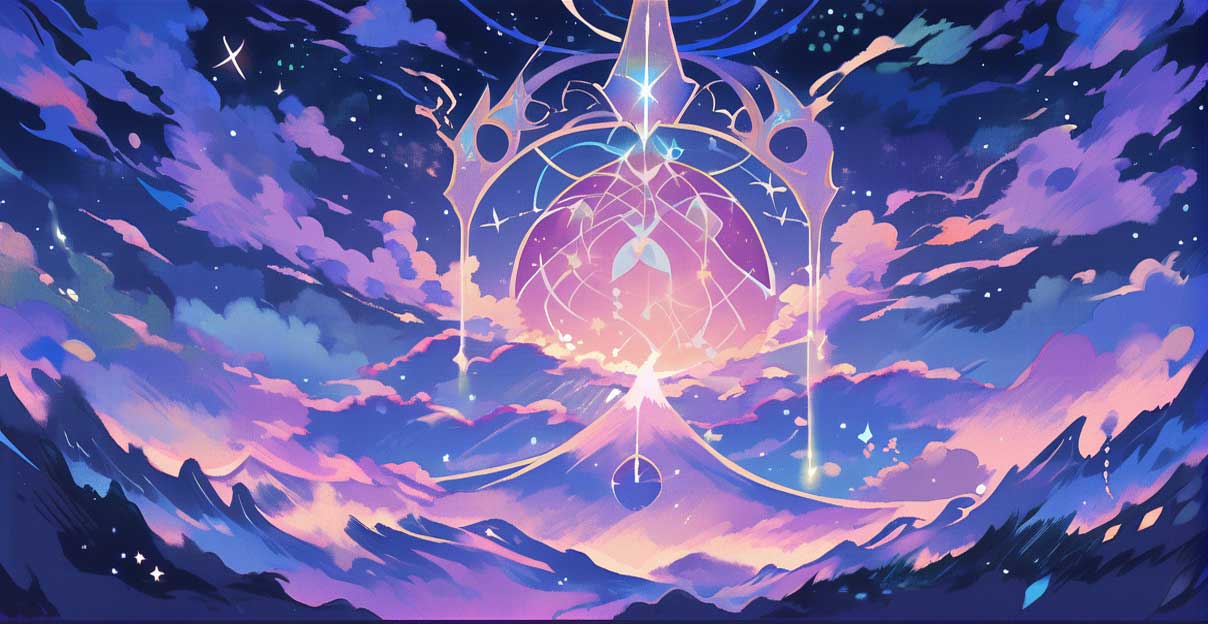
Magic in the Universe of ISEKAI The Otherworlder’s Heir
In the world of ISEKAI The Otherworlder’s Heir, magic is neither arbitrary nor universal. It follows precise rules and is structured around two major families, fundamentally opposed in the way they perceive power and act upon reality. Mana-based magic — Transcending the Laws of the World Mana-based magic is based on the use of magicules,…
-
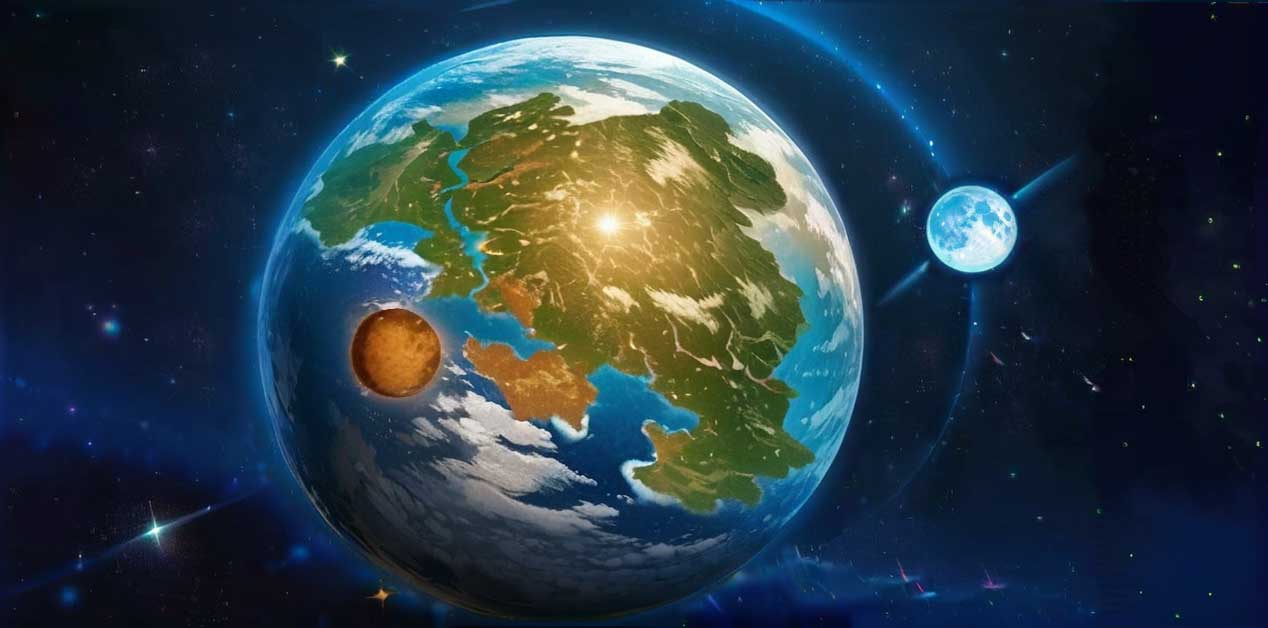
The Great Land
The birth of a myth People say that before the arrival of the second moon — Vespera —, at the dawn of the cataclysm that marked the birth of a new era, no one knew what shape the world truly had. Nations lived by the rhythm of the seasons, convinced that the land simply stretched…
-
What Is an Isekai? Definition, Origins, and Genre Tropes
Isekai is one of the most popular genres in modern Japanese storytelling, spanning manga, light novels, and anime. It features a protagonist who is transported, summoned, or reincarnated into another world—often radically different from our own. Since the 2010s, isekai has experienced a spectacular rise. Sword Art Online, Re:Zero, Mushoku Tensei, Overlord—these titles pushed the…