
Fantasy — Imaginary worlds, myths, and fantastical narratives
Fantasy refers to a broad narrative field based on the creation of imaginary worlds in which the unreal, the mythical, or the supernatural occupy a central place. It is characterized by the existence of worlds that do not follow the laws of ordinary reality, but instead operate according to their own rules—whether magical, symbolic, or cosmic. These worlds may be entirely fictional or coexist alongside the real world, in a wide variety of forms and degrees.
Rooted in a long tradition of myths, legends, and foundational narratives, fantasy draws on multiple cultural heritages to shape its imaginative frameworks. Dragons, deities, artifacts, ancient peoples, or invisible forces are not merely decorative elements: they contribute to the internal logic of the world and directly influence the course of the story. Fantasy therefore relies on strong internal coherence, allowing the reader to accept the unreal as a fully realized narrative reality.
The genre encompasses a wide range of forms, from epic fantasy to more intimate approaches, including darker, mythological, or symbolic variations. This diversity reflects both the types of worlds explored and the themes addressed: quests, conflict, destiny, power, identity, or transmission. Fantasy is not limited to escapism; it also provides a framework through which the real world can be examined through the lens of imagination.
In all cases, fantasy is built upon a balance between invention and structure. The rules governing the world, the role assigned to the marvelous, and the way the unreal is integrated into the narrative determine the credibility and strength of the work. This ability to create coherent worlds rich in meaning and myth is what defines fantasy as a narrative genre in its own right. It often relies on careful worldbuilding and close attention to lore, which give the universe its depth and continuity.
This section brings together articles related to fantasy, approaching the genre as a narrative and conceptual field. The associated texts explore its foundations, its forms, and its variations, as well as the ways in which imaginary worlds are constructed, interpreted, and used in storytelling, including in related genres such as isekai.
-
How to Share Worldbuilding Without Drowning the Reader – Fantasy & Isekai Writing
Balance, pacing, and information delivery in fantasy and isekai Introductory Summary Building a rich universe is essential in fantasy and isekai, but poorly delivered worldbuilding can quickly weigh a story down. This article explores how to avoid infodumps, preserve narrative pacing, and transmit information organically—without sacrificing depth or coherence. Introduction — The Invisible Worldbuilding Trap…
-
Learning to Write: What You Don’t See at First
The 5% of Writing That Is Visible Writing is often thought of as style. In reality, style is only the tip of the iceberg. When I decided to start writing, I was aware of one thing: I possessed only a small fraction of the skills required. Perhaps five percent. The desire to tell a story,…
-
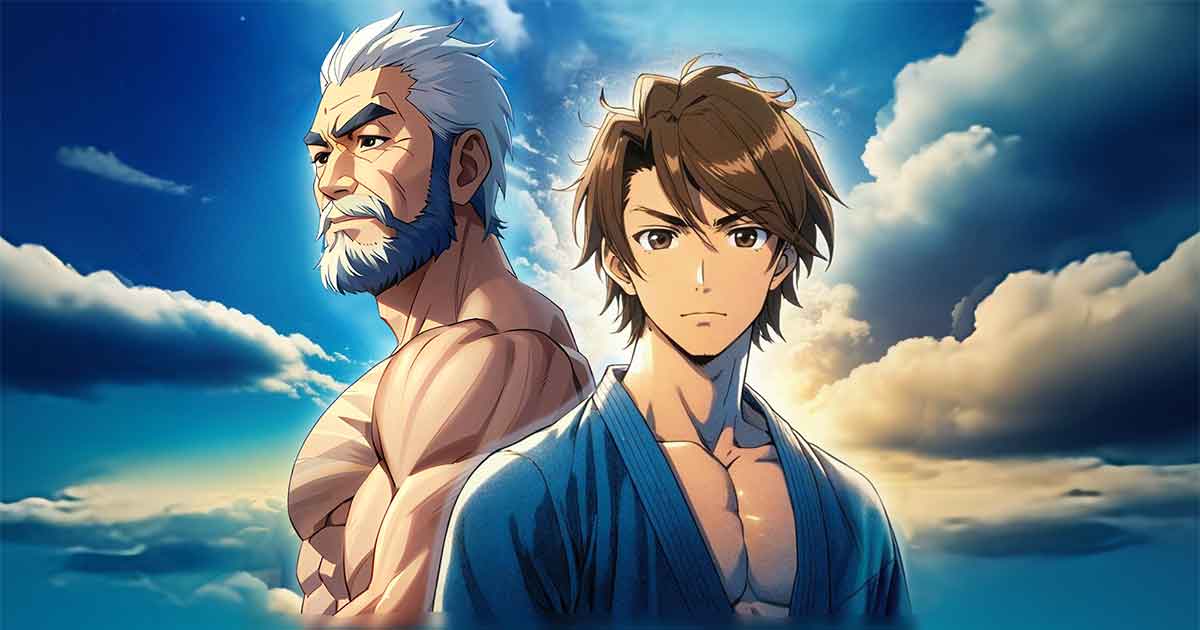
Michihiro Ikemizu
In the garden of Okinawa, family and press were gathered.A new record was about to be broken. Everything had been carefully prepared.The ground had been cleared with precision.The concrete blocks were aligned, their edges sharp, their surfaces still intact. Michihiro Ikemizu knew their density, their resistance, the exact way they would give under impact.His body…
-
Why Lore Is Essential in an Isekai
You can’t build a story on empty space The issue is simple: when you set out to build an isekai and want to combine action, challenges, humor, romance, or drama, none of it can exist in a vacuum.These elements do not emerge on their own. They arise from interactions, shaped by an environment, social rules,…
-
Why Isekai Works So Well: Immersion, Progression, and Narrative Fantasy
Introduction Isekai is not merely a subgenre of Japanese fantasy. It is an extremely effective narrative device, designed to quickly capture the reader, immerse them in a codified world, and guide them through a gradual rise in power. If it works so well—whether in light novels, manga, or anime—it is neither by chance nor a…
-
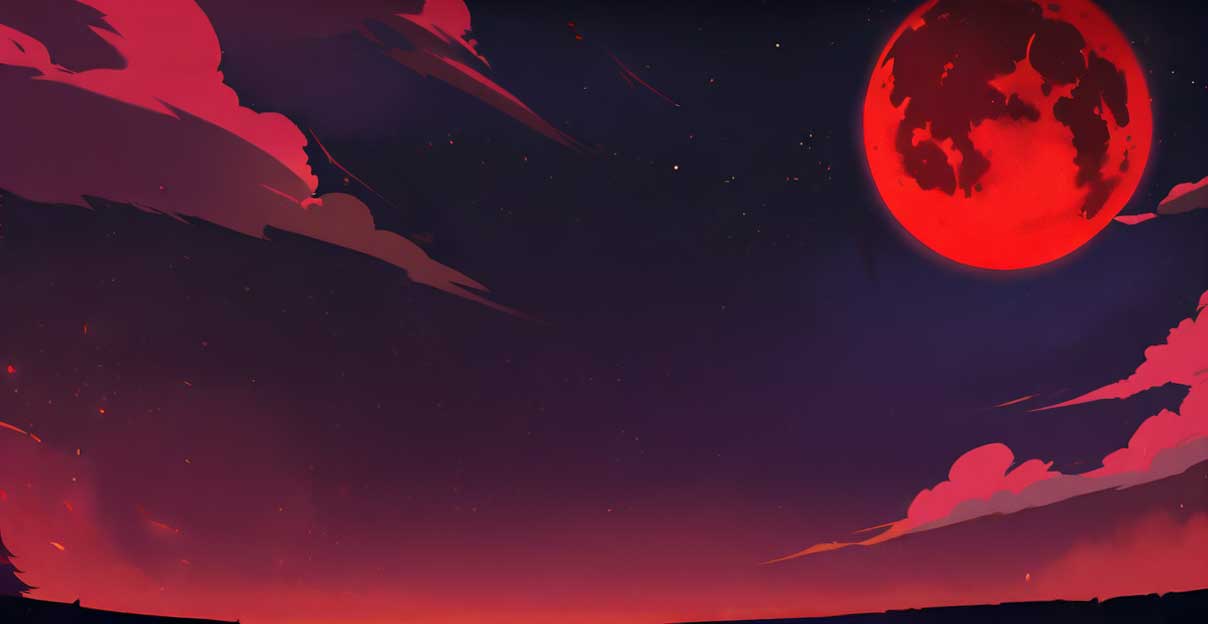
Vespera — The Red Moon
Meaning and Origin of the Name Vespera The name Vespera derives from the Latin word vesper, meaning “evening.” In ancient times, the term referred to the celestial body visible at twilight — the “evening star” — appearing when daylight fades but night has not yet fully taken hold. In classical tradition, this star corresponded to…
-
Magic in the Universe of ISEKAI The Otherworlder’s Heir
In the world of ISEKAI The Otherworlder’s Heir, magic is neither arbitrary nor universal. It follows precise rules and is structured around two major families, fundamentally opposed in the way they perceive power and act upon reality. Mana-based magic — Transcending the Laws of the World Mana-based magic is based on the use of magicules,…
-
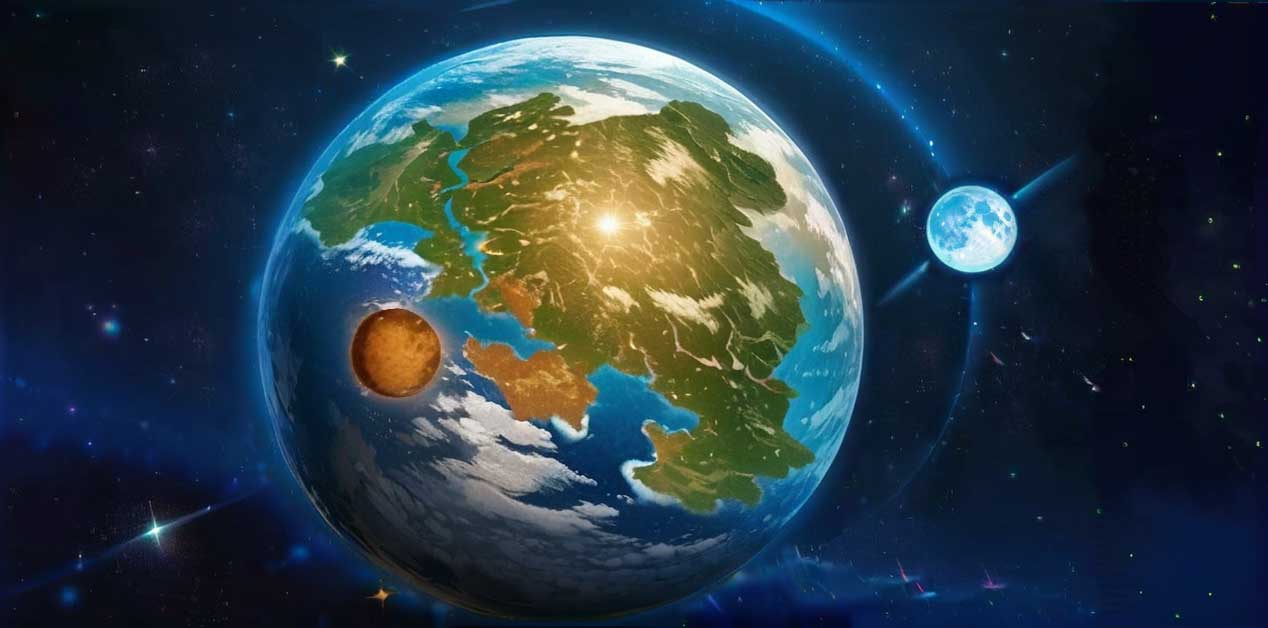
The Great Land
The birth of a myth People say that before the arrival of the second moon — Vespera —, at the dawn of the cataclysm that marked the birth of a new era, no one knew what shape the world truly had. Nations lived by the rhythm of the seasons, convinced that the land simply stretched…