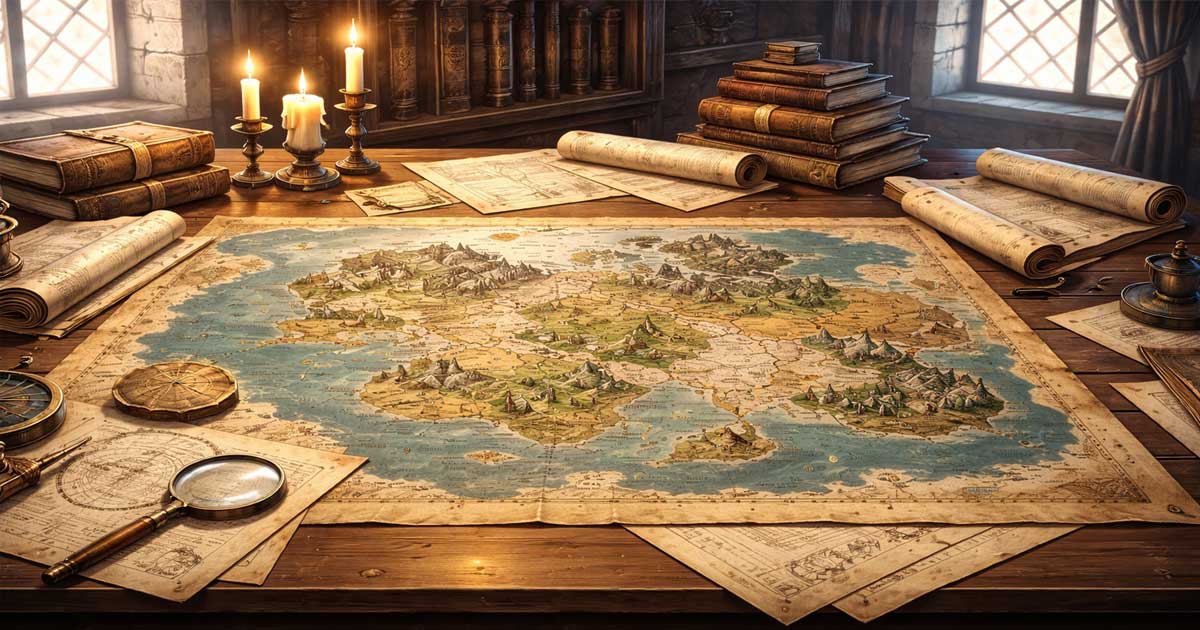

Worldbuilding — The creation and development of a coherent fictional world, its history and laws.
Worldbuilding refers to the craft of designing a fictional world capable of sustaining a story over time. It is not about stacking locations or rules, but about shaping a setting where geography, cultures, beliefs, and systems naturally serve the narrative. A well-built world does not overwhelm the reader; it reveals itself gradually, through scenes, actions, and choices.
In a fantasy setting, worldbuilding provides depth and texture. Kingdoms carry history, conflicts are rooted in the past, and traditions exist for a reason. Even when the story focuses on a single character or a limited plotline, the sense of a larger world beyond the page strengthens immersion and makes the narrative more believable.
Consistency remains one of the core pillars of worldbuilding. Implicit rules must hold: what is possible, what is not, and at what cost. Whether dealing with magic, fictional technologies, or social structures, each system gains strength when it is connected to the story’s stakes. Worldbuilding is not a display case; it supports action and clarifies character decisions.
This work on the universe directly influences storytelling. It shapes pacing, guides conflict, and enriches interactions. A well-constructed world allows mystery, discovery, and progression to emerge naturally, while keeping the focus on human—or inhuman—trajectories. Elements of lore then become narrative tools rather than isolated background information.
This section brings together articles dedicated to worldbuilding, its methods, its structural choices, and its role in creating immersive narratives. The texts gathered here explore how worlds are built, how their internal logic is maintained, and how they enhance the reading experience through living, coherent settings.
-
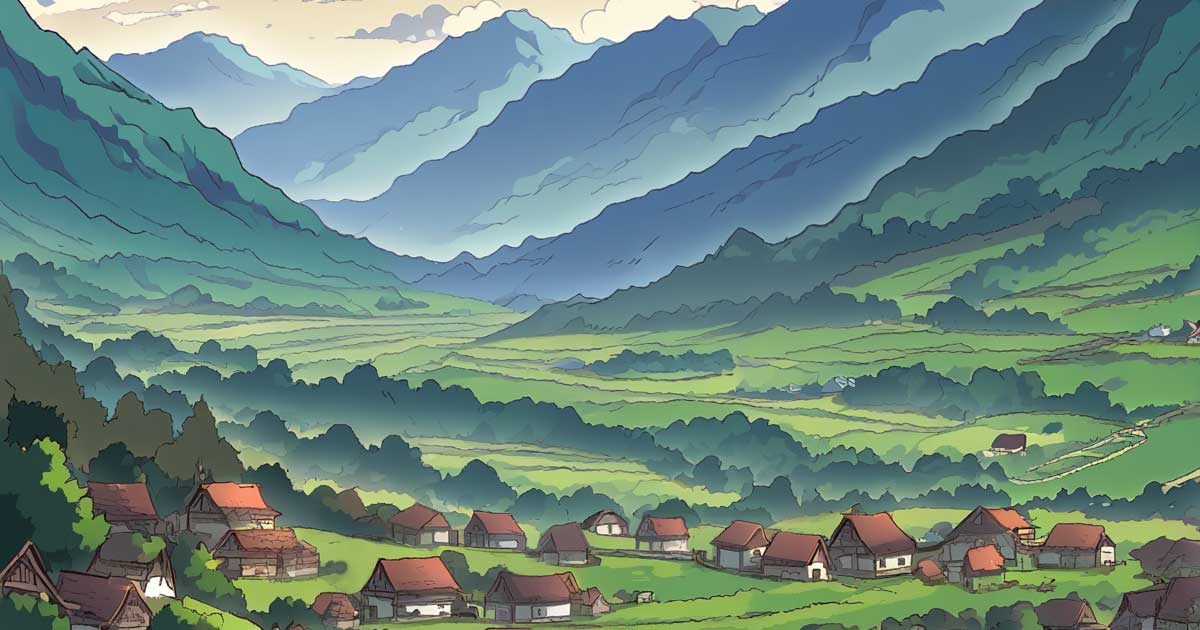
Worldbuilding: Building a Coherent Universe Without Explaining Everything — Rules, Margins, and Invisible Decisions
Worldbuilding is one of the pillars of a coherent universe in fantasy and isekai. Building a believable world does not mean explaining everything, but establishing structuring rules, a stable internal logic, and invisible decisions that can support the story over time. In this article, I am not describing a specific universe. I am presenting a…
-
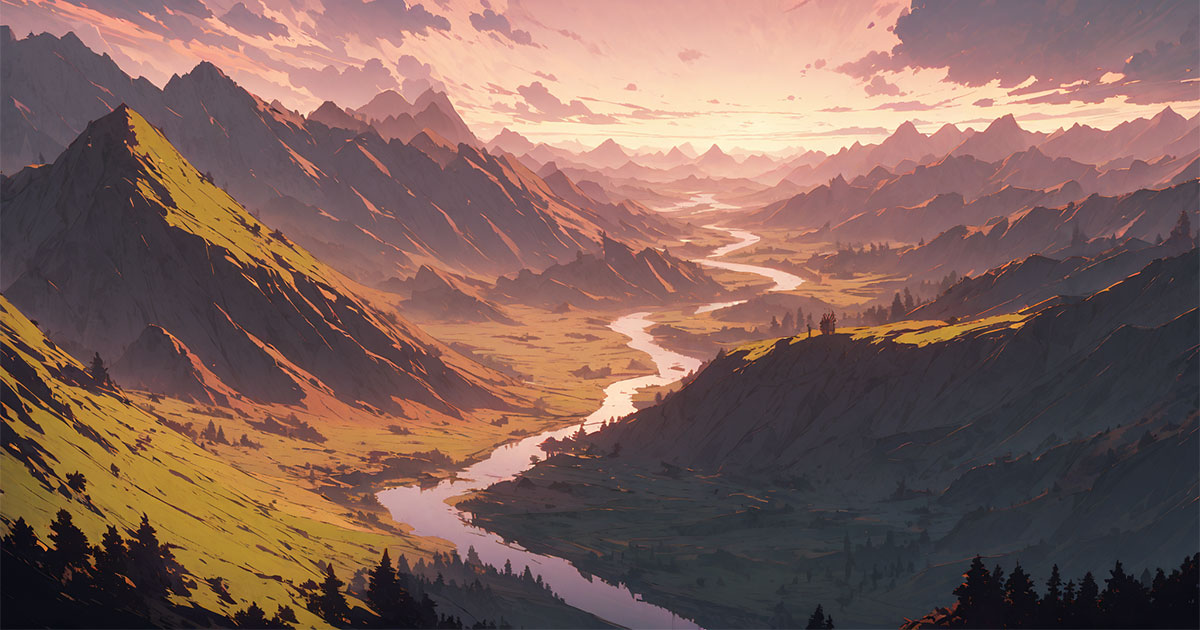
Why Lore Is Essential in an Isekai
You can’t build a story on empty space The issue is simple: when you set out to build an isekai and want to combine action, challenges, humor, romance, or drama, none of it can exist in a vacuum.These elements do not emerge on their own. They arise from interactions, shaped by an environment, social rules,…
-
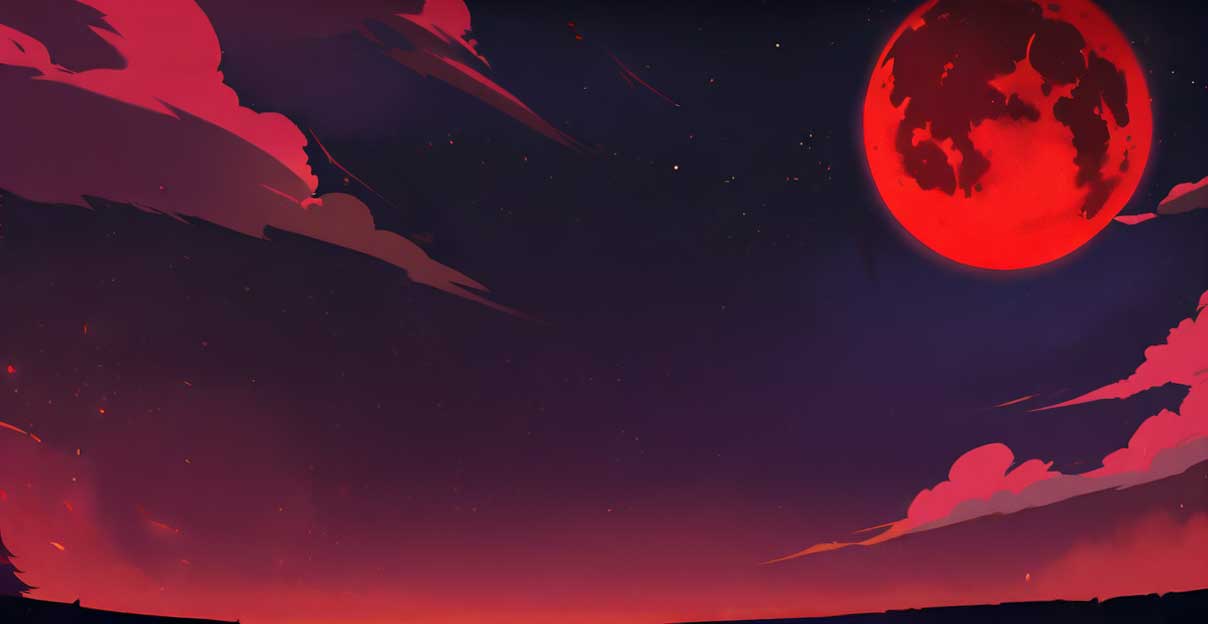
Vespera — The Red Moon
Meaning and Origin of the Name Vespera The name Vespera derives from the Latin word vesper, meaning “evening.” In ancient times, the term referred to the celestial body visible at twilight — the “evening star” — appearing when daylight fades but night has not yet fully taken hold. In classical tradition, this star corresponded to…
-
Magic in the Universe of ISEKAI The Otherworlder’s Heir
In the world of ISEKAI The Otherworlder’s Heir, magic is neither arbitrary nor universal. It follows precise rules and is structured around two major families, fundamentally opposed in the way they perceive power and act upon reality. Mana-based magic — Transcending the Laws of the World Mana-based magic is based on the use of magicules,…
-
The Great Land
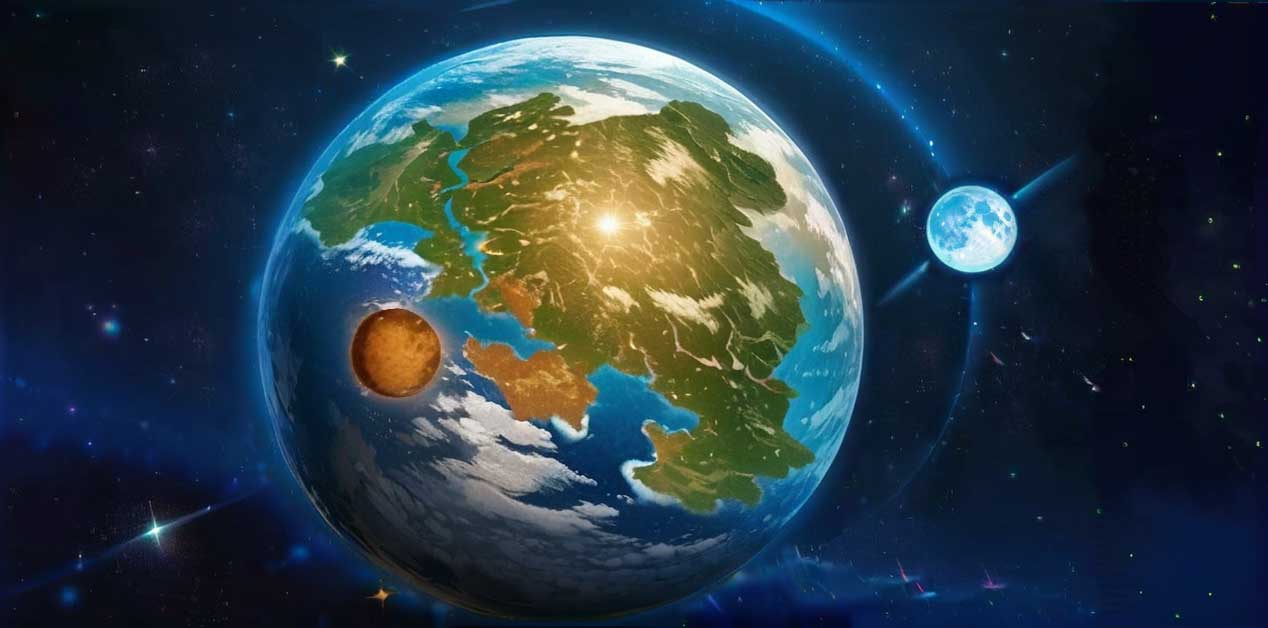
The birth of a myth People say that before the arrival of the second moon — Vespera —, at the dawn of the cataclysm that marked the birth of a new era, no one knew what shape the world truly had. Nations lived by the rhythm of the seasons, convinced that the land simply stretched…
-
What Is an Isekai? Definition, Origins, and Genre Tropes
Isekai is one of the most popular genres in modern Japanese storytelling, spanning manga, light novels, and anime. It features a protagonist who is transported, summoned, or reincarnated into another world—often radically different from our own. Since the 2010s, isekai has experienced a spectacular rise. Sword Art Online, Re:Zero, Mushoku Tensei, Overlord—these titles pushed the…