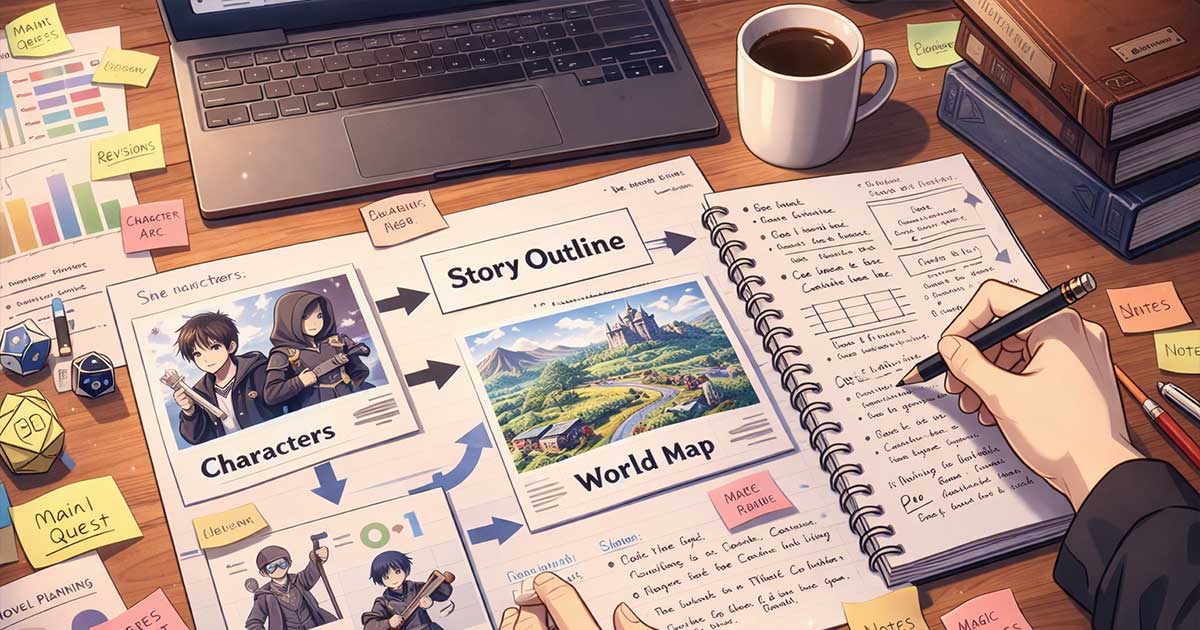

Writing — Methods, analysis, and behind-the-scenes craft
Writing forms the foundation upon which all dimensions of a narrative are built: storytelling, characters, worlds, and progression. This section approaches writing not as spontaneous inspiration, but as a structured process shaped by deliberate choices, techniques, and narrative trade-offs.
The focus here lies on the construction of a story: structural organization, rhythm management, character development, and the articulation between plot, world, and stakes. Writing is examined as a coherent set of mechanisms whose mastery determines readability, emotional impact, and narrative solidity.
Insights drawn from the development of the series ISEKAI – The Otherworlder’s Heir are used as concrete reference points. Reflections on narrative decisions, progressive refinements, and constraints specific to serialized storytelling help illustrate how a work evolves over time, from initial intent to published form.
Particular attention is given to writing practices as they apply to light novels and isekai. The conventions, reader expectations, and narrative tools specific to these formats are examined to show how writing choices adapt to a defined framework without compromising coherence or depth.
This space is intended for readers and writers seeking to better understand the mechanics of storytelling. It offers analytical perspectives and experience-based insights aimed at refining narrative method, critical awareness, and long-term creative consistency.
-

Manga Adapted from a Light Novel: What Really Changes in the Narrative
Why do some manga adaptations of a Light Novel feel faster, more spectacular, yet sometimes less psychologically dense?Why do others successfully condense the story without weakening its emotional weight? The answer lies not in quality, but in structure. When a story moves from a textual system to a visual system, it undergoes a form of…
-
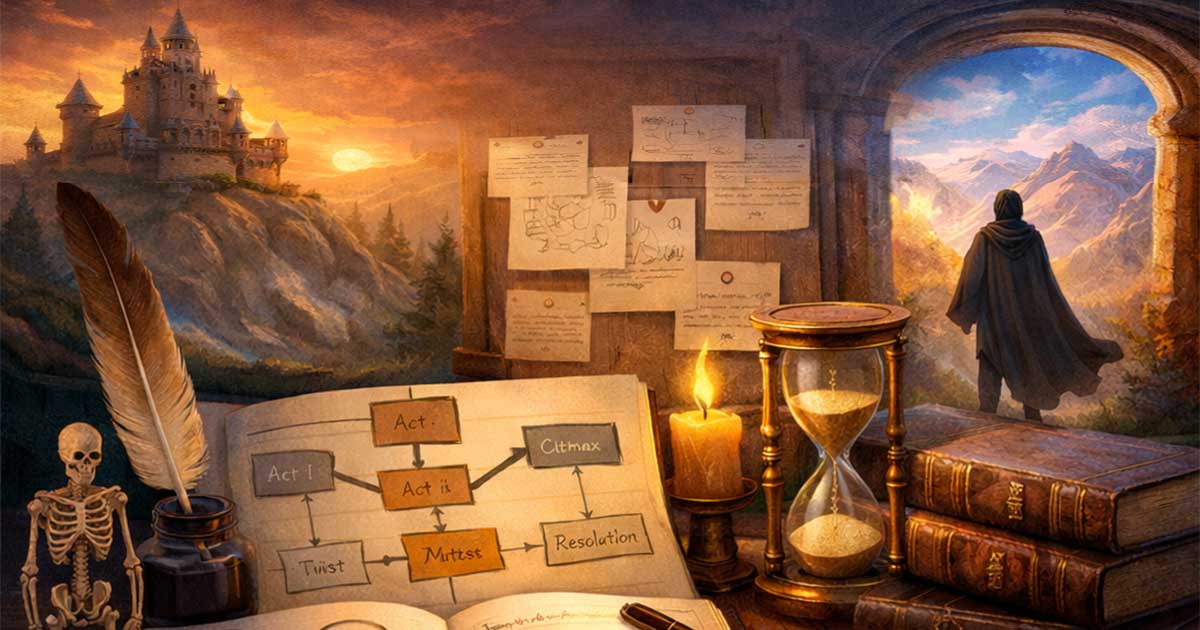
Writing a Fantasy Saga Differently: The Narrative Skeleton Before the Text
Before drafting the first line of a novel, it is possible to build the story as an architectural structure. This approach, which I call the narrative skeleton, consists of fixing the progression of events before telling them. It offers a structured way to plan a saga and to work on narrative arcs with a clear,…
-
What an Independent Author Can Build That No One Else Ever Will
When people talk about publishing, the discussion often focuses on visibility, distribution, or advertising. Traditional publishers undeniably have strong assets in this area: established networks, access to bookstores, sometimes even media exposure. It would be pointless to deny that. Yet this comparison overlooks a more fundamental reality: publishers and independent authors do not operate under…
-
Common Mistakes When Writing an Isekai
Writing an isekai often feels deceptively easy. The genre is codified, popular, and extensively explored. Many beginner writers are drawn to it thinking that following a few formulas is enough to produce an effective story. In reality, it is precisely this apparent accessibility that makes it a particularly demanding field. The most common mistakes do…
-

How to Write a Light Novel: From Concept to Volume Structure
Most light novel projects fail not because of style, but because of structure. Writing a light novel is not about telling a simplified long story. It is a precise architecture, designed for serialization, emotional progression, and sustained tension. Pasted text When applied to the isekai fantasy genre, every structural decision becomes even more strategic: the…
-

Why Light Novels Emphasize Action and Inner Monologue
Light novels often prioritize action and inner monologue, a narrative choice that frequently puzzles readers accustomed to Western fantasy novels. This orientation is sometimes perceived as a simplification of writing or a stylistic weakness. In reality, it rests on a coherent narrative logic, closely tied to the structure of the medium and the reading experience…
-
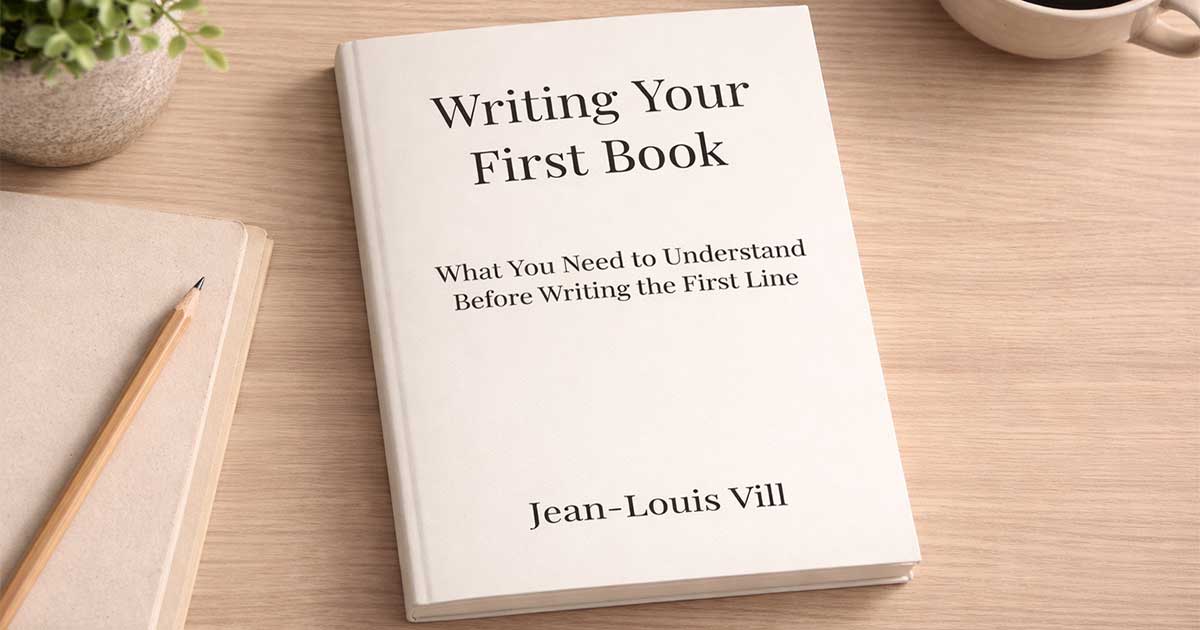
Writing Your First Book: What You Need to Understand Before You Begin
An essential guide to understanding the key decisions behind writing a first book — and avoiding structural mistakes that can compromise a project from the start. Writing a book begins long before the first line. Before style, inspiration, or motivation, there are fundamental decisions that shape the entire project: the type of book, the intended…
-
The Structure of the Light Novel Explained: Arcs, Rhythm, and Serialization Logic
Why Do Some Isekai Sagas Endure… While Others Collapse? Why do some isekai series surpass ten volumes while maintaining narrative tension, while others lose momentum after only a few books? The answer rarely lies in the initial concept.It lies in the structure of the light novel. A light novel is a serialized novel of Japanese…
-

The Weight of Legacy in Arius Lovelace
Psychological and Narrative Analysis of an Isekai Character Introduction Legacy is often portrayed as a promise: that of a greater destiny, a future accomplishment, or latent greatness. In ISEKAI The Otherworlder’s Heir, this notion plays a central role in the psychological construction of the character, but in a form that differs markedly from the archetypal…
-

What I Didn’t Know Before Writing My First Volume
(and why I still had to start anyway) Writing a book often begins with a contradiction. On the one hand, you feel you have an idea, a direction, something to say.On the other, you know perfectly well you’re not ready. Not really. Not technically. Not methodologically. When I started writing my first volume, I very…