
Fantasy — Imaginary worlds, myths, and fantastical narratives
Fantasy refers to a broad narrative field based on the creation of imaginary worlds in which the unreal, the mythical, or the supernatural occupy a central place. It is characterized by the existence of worlds that do not follow the laws of ordinary reality, but instead operate according to their own rules—whether magical, symbolic, or cosmic. These worlds may be entirely fictional or coexist alongside the real world, in a wide variety of forms and degrees.
Rooted in a long tradition of myths, legends, and foundational narratives, fantasy draws on multiple cultural heritages to shape its imaginative frameworks. Dragons, deities, artifacts, ancient peoples, or invisible forces are not merely decorative elements: they contribute to the internal logic of the world and directly influence the course of the story. Fantasy therefore relies on strong internal coherence, allowing the reader to accept the unreal as a fully realized narrative reality.
The genre encompasses a wide range of forms, from epic fantasy to more intimate approaches, including darker, mythological, or symbolic variations. This diversity reflects both the types of worlds explored and the themes addressed: quests, conflict, destiny, power, identity, or transmission. Fantasy is not limited to escapism; it also provides a framework through which the real world can be examined through the lens of imagination.
In all cases, fantasy is built upon a balance between invention and structure. The rules governing the world, the role assigned to the marvelous, and the way the unreal is integrated into the narrative determine the credibility and strength of the work. This ability to create coherent worlds rich in meaning and myth is what defines fantasy as a narrative genre in its own right. It often relies on careful worldbuilding and close attention to lore, which give the universe its depth and continuity.
This section brings together articles related to fantasy, approaching the genre as a narrative and conceptual field. The associated texts explore its foundations, its forms, and its variations, as well as the ways in which imaginary worlds are constructed, interpreted, and used in storytelling, including in related genres such as isekai.
-

The Psychological Evolution of Arius Across the Volumes
Introduction — Fragility and Coherence in an Isekai Light Novel In a Light Novel, and especially in an isekai fantasy, character progression is often associated with rising power. Yet power alone does not create long-term reader attachment. What truly sustains engagement is psychological coherence. In this article, I examine Arius’s psychological evolution across the volumes,…
-
Understanding the Difference Between Isekai and Fantasy
Isekai vs Fantasy: What Truly Sets Them Apart Confusion between isekai and fantasy is common, particularly when the isekai genre is first encountered through contemporary light novels. Yet the difference between isekai and fantasy is not merely a matter of vocabulary—it lies in the very structure of the narrative. Fantasy refers to a broad literary…
-
The Notion of Merit in the Transmission of Power in Arius Lovelace
Introduction In many fantasy narratives—and even more so in isekai—the transmission of power rests on an implicit principle: to receive is to be worthy. The protagonist inherits exceptional abilities, sometimes upon arrival in a new world, and their legitimacy is rarely questioned. The universe of ISEKAI The Otherworlder’s Heir adopts a different stance. It draws…
-
The Central Role of Progression in Light Novels
When discussing light novels, one concept comes up again and again—sometimes without being clearly named: progression.Many readers feel it instinctively, without always being able to define it. Yet it lies at the very heart of what makes the genre work, and even more so when it comes to isekai. Progression in Light Novels: More Than…
-
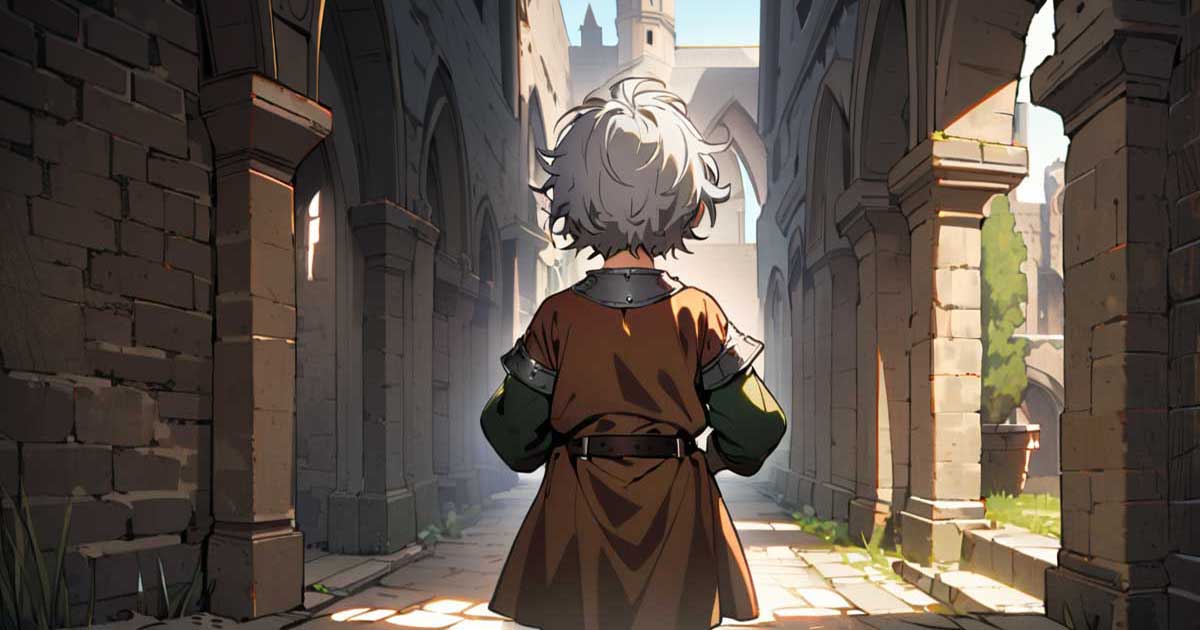
Building a Progression-Driven Protagonist
A Return of Experience with Arius Lovelace (Isekai) Characters & Emotional Dynamics In isekai, the question of progression comes up almost every time — and it is often reduced to a simple increase in power: more skills, higher numbers, greater advantages.Yet this kind of progression, effective as it may be in the short term, does…
-

Mana and Ether: Why Two Magic Systems in ISEKAI The Otherworld’s Heir
In ISEKAI The Otherworld’s Heir, the universe relies on two distinct magic systems: mana and ether.This article explains why this dual magic system is central to fantasy worldbuilding, narrative coherence, and the protagonist’s progression in an isekai.By distinguishing a widespread, versatile magic from a rare, physically “real” magic, the setting avoids the common inconsistencies of…
-
Why I Chose to Write an Isekai
Reader frustrations, authorial choice, and an assumed narrative framework Introduction — Why isekai naturally imposed itself I did not choose to write an isekai because it was fashionable.It imposed itself on me as the most natural response to my frustrations as a reader and to my ambitions as an author. Before writing, I spent a…
-

Understanding Kishōtenketsu in Light Novels
Why some Japanese stories do not revolve around conflict, but around a path Introduction When Western readers encounter a Japanese light novel — and even more so an isekai — they may experience a form of narrative dissonance that is difficult to articulate. The story seems to progress slowly. Certain scenes appear anecdotal. Important elements…
-

Japanese Narrative vs Western Narrative
Foundations and Narrative Framework Introduction The question of Japanese narrative versus Western narrative is not merely a matter of cultural contrast. It involves structural choices, a philosophy of storytelling, and a different relationship between author, character, and reader. In the context of light novels and, more specifically, isekai, this difference becomes not only visible, but…
-
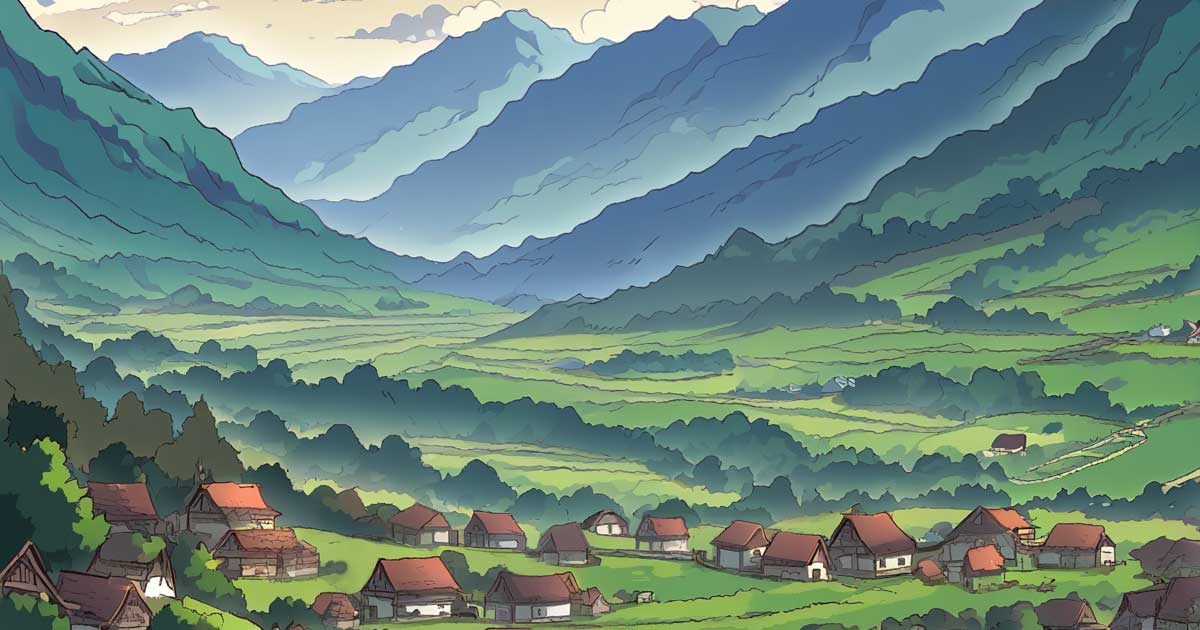
Worldbuilding: Building a Coherent Universe Without Explaining Everything — Rules, Margins, and Invisible Decisions
Worldbuilding is one of the pillars of a coherent universe in fantasy and isekai. Building a believable world does not mean explaining everything, but establishing structuring rules, a stable internal logic, and invisible decisions that can support the story over time. In this article, I am not describing a specific universe. I am presenting a…