
Immersion — Presence and continuity: what keeps the reader inside the world
Immersion refers to that distinctive sensation in which the reader stops observing a story and fully inhabits it. It does not rely on a single technique, but on a convergence of narrative choices that make a world feel credible, coherent, and alive. When immersion works, the setting becomes self-evident: the reader does not merely believe in it, they enter it.
Within a fantasy world, immersion is first grounded in the strength of its lore. The world’s rules, history, and myths create an underlying depth. Readers sense that every place, people, and conflict belongs to a larger continuity, reinforcing the feeling of moving through a world that extends beyond the immediate scene.
Narrative writing plays a decisive role. Rhythm, point of view, and the handling of information shape the reader’s closeness to the characters. By favoring action, perception, and choice over blunt explanation, the text sustains attention and deepens immersion without burdening the reading experience.
Character change also anchors immersion. Character development and power progression carry greater weight when their consequences are visible and lasting. Successes and failures alike reshape how the world is perceived, strengthening the story’s emotional credibility.
In light novels and isekai, immersion is often reinforced by clearly defined frameworks: magic systems, RPG systems, or explicit progression mechanics. When integrated with restraint, these elements structure the reading experience without breaking its flow, providing a legible framework that supports discovery.
This section highlights the narrative and structural levers that strengthen immersion in fantasy and light novels. It outlines a reading path focused on world coherence, emotional engagement, and writing choices, before leading into articles that examine these mechanisms and their practical applications in greater depth.
-
From Passionate Reader to Creator: My Path to Light Novels
The COVID Context It all began during the COVID period. Successive restrictions created an artificial isolation that many people deeply felt. Even simple everyday actions became complicated. Like many others, I started looking for ways to escape—forms of entertainment capable of lightening the weight of that unusual time. I am not a heavy television consumer.…
-
Why Isekai Works So Well: Immersion, Progression, and Narrative Fantasy
Introduction Isekai is not merely a subgenre of Japanese fantasy. It is an extremely effective narrative device, designed to quickly capture the reader, immerse them in a codified world, and guide them through a gradual rise in power. If it works so well—whether in light novels, manga, or anime—it is neither by chance nor a…
-
What Is a Light Novel?
Born in Japan, the light novel is a fully fledged narrative format that is often misunderstood in the West. Neither a traditional novel, nor a manga, nor a simple spin-off of animation, it follows a very specific logic of reading, writing, and serialization. It most commonly takes the form of relatively short volumes, sometimes accompanied…
-
Novel, Manga, Light novel: What are the differences?
The terms novel, manga, and light novel are often used interchangeably, even though they refer to very different narrative forms, both in structure and in audience and intent. Understanding these distinctions not only helps readers choose works better suited to their tastes, but also prevents misunderstandings when discovering stories rooted in contemporary Japanese culture. The…
-
Vespera — The Red Moon
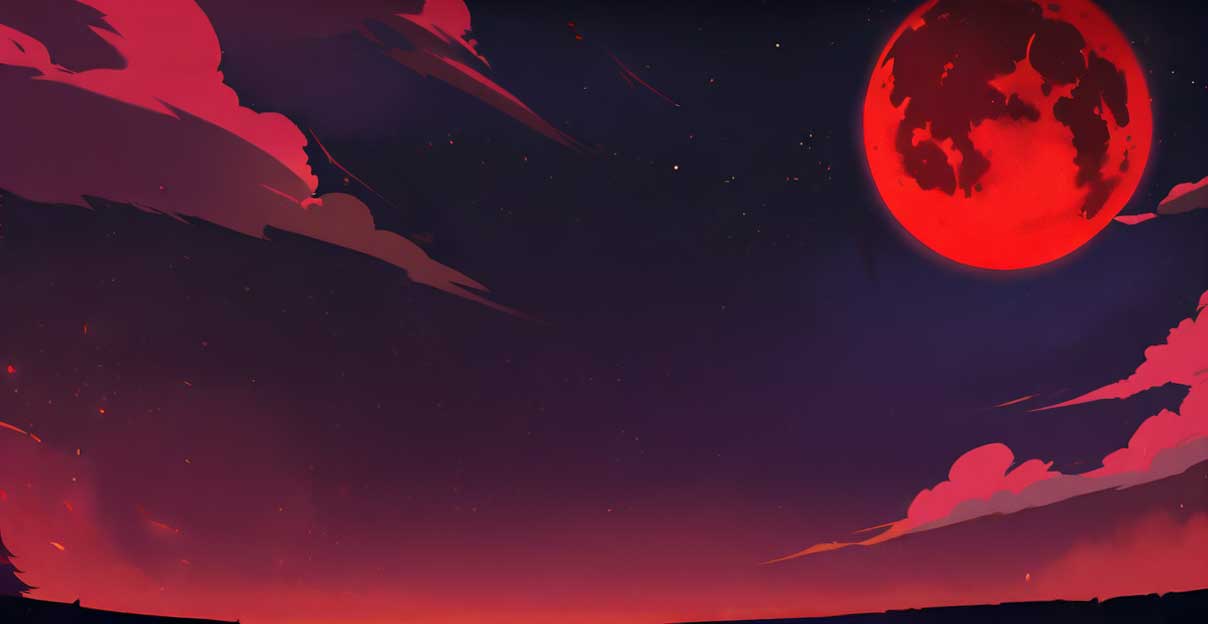
Meaning and Origin of the Name Vespera The name Vespera derives from the Latin word vesper, meaning “evening.” In ancient times, the term referred to the celestial body visible at twilight — the “evening star” — appearing when daylight fades but night has not yet fully taken hold. In classical tradition, this star corresponded to…
-
What Is an Isekai? Definition, Origins, and Genre Tropes
Isekai is one of the most popular genres in modern Japanese storytelling, spanning manga, light novels, and anime. It features a protagonist who is transported, summoned, or reincarnated into another world—often radically different from our own. Since the 2010s, isekai has experienced a spectacular rise. Sword Art Online, Re:Zero, Mushoku Tensei, Overlord—these titles pushed the…