
Isekai — Otherworld fantasy centered on a protagonist’s second chance
Isekai refers to a narrative genre of fantasy whose central principle is based on the passage of a protagonist into another world. This transition can take various forms—transportation, summoning, reincarnation, or a more ambiguous shift—but it always implies a rupture with the original world and entry into a universe governed by its own rules. The term isekai literally means “other world” in Japanese and refers to this idea of a radical change in setting and trajectory.
In an isekai narrative, the protagonist generally retains a consciousness, memory, or identity from their previous world. This continuity plays a central role: it creates a contrast between the individual and the new universe in which they now exist, and serves as a narrative anchor for exploring new systems, hierarchies, and possibilities. Isekai is therefore not limited to a simple change of scenery; it stages a confrontation between two distinct world logics.
The genre is frequently associated with the notion of a second chance. While not systematic, this idea runs through many narratives: the transition to another world allows the protagonist to rebuild themselves, correct past failures, or redefine their place within a different framework. This dimension gives isekai both a narrative and symbolic scope, where personal progression is closely tied to the discovery of the new world.
Isekai developed primarily within the realms of fantasy and the light novel, before branching into numerous forms, sometimes hybrid in nature. Whether it emphasizes action, reflection, progression, or exploration, the genre consistently relies on the relationship between a displaced protagonist and an otherworldly setting whose rules, limits, and stakes must be understood.
This section brings together articles related to isekai, approaching the genre from various conceptual and narrative perspectives. The associated texts explore its fundamental principles, its variations, and the ways in which the passage to another world is staged, interpreted, and integrated into the story.
-
Building a Progression-Driven Protagonist
A Return of Experience with Arius Lovelace (Isekai) Characters & Emotional Dynamics In isekai, the question of progression comes up almost every time — and it is often reduced to a simple increase in power: more skills, higher numbers, greater advantages.Yet this kind of progression, effective as it may be in the short term, does…
-

Mana and Ether: Why Two Magic Systems in ISEKAI The Otherworld’s Heir
In ISEKAI The Otherworld’s Heir, the universe relies on two distinct magic systems: mana and ether.This article explains why this dual magic system is central to fantasy worldbuilding, narrative coherence, and the protagonist’s progression in an isekai.By distinguishing a widespread, versatile magic from a rare, physically “real” magic, the setting avoids the common inconsistencies of…
-
Why I Chose to Write an Isekai
Reader frustrations, authorial choice, and an assumed narrative framework Introduction — Why isekai naturally imposed itself I did not choose to write an isekai because it was fashionable.It imposed itself on me as the most natural response to my frustrations as a reader and to my ambitions as an author. Before writing, I spent a…
-

Understanding Kishōtenketsu in Light Novels
Why some Japanese stories do not revolve around conflict, but around a path Introduction When Western readers encounter a Japanese light novel — and even more so an isekai — they may experience a form of narrative dissonance that is difficult to articulate. The story seems to progress slowly. Certain scenes appear anecdotal. Important elements…
-
Japanese Narrative vs Western Narrative
Foundations and Narrative Framework Introduction The question of Japanese narrative versus Western narrative is not merely a matter of cultural contrast. It involves structural choices, a philosophy of storytelling, and a different relationship between author, character, and reader. In the context of light novels and, more specifically, isekai, this difference becomes not only visible, but…
-
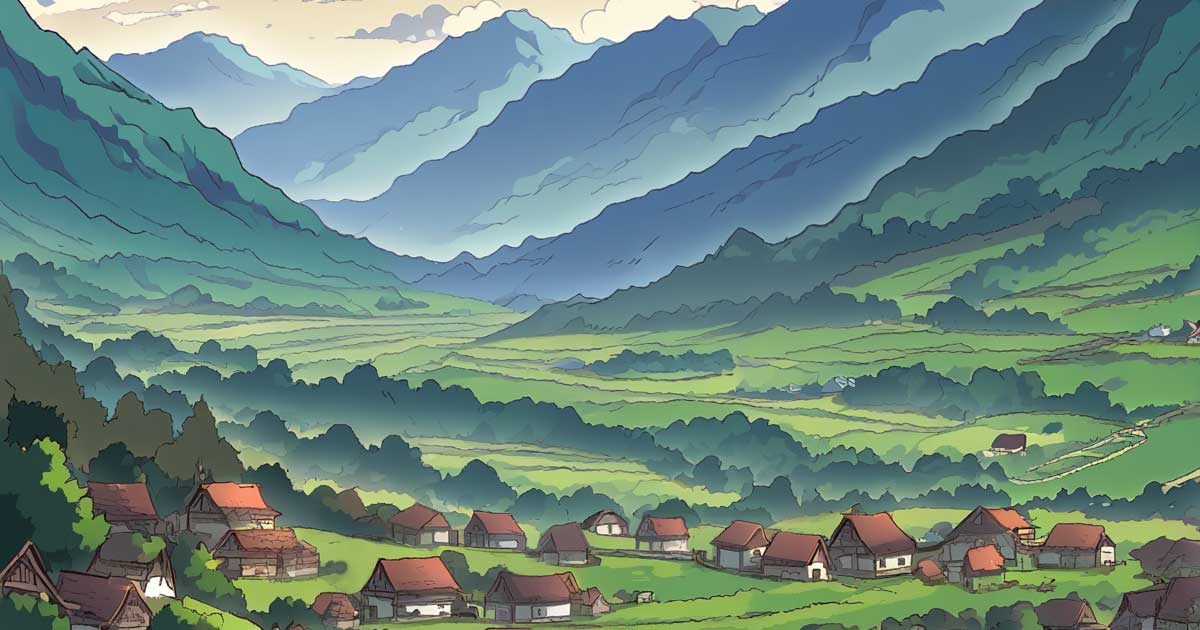
Worldbuilding: Building a Coherent Universe Without Explaining Everything — Rules, Margins, and Invisible Decisions
Worldbuilding is one of the pillars of a coherent universe in fantasy and isekai. Building a believable world does not mean explaining everything, but establishing structuring rules, a stable internal logic, and invisible decisions that can support the story over time. In this article, I am not describing a specific universe. I am presenting a…
-
How to Share Worldbuilding Without Drowning the Reader – Fantasy & Isekai Writing
Balance, pacing, and information delivery in fantasy and isekai Introductory Summary Building a rich universe is essential in fantasy and isekai, but poorly delivered worldbuilding can quickly weigh a story down. This article explores how to avoid infodumps, preserve narrative pacing, and transmit information organically—without sacrificing depth or coherence. Introduction — The Invisible Worldbuilding Trap…
-
Learning to Write: What You Don’t See at First
The 5% of Writing That Is Visible Writing is often thought of as style. In reality, style is only the tip of the iceberg. When I decided to start writing, I was aware of one thing: I possessed only a small fraction of the skills required. Perhaps five percent. The desire to tell a story,…
-

Michihiro Ikemizu
In the garden of Okinawa, family and press were gathered.A new record was about to be broken. Everything had been carefully prepared.The ground had been cleared with precision.The concrete blocks were aligned, their edges sharp, their surfaces still intact. Michihiro Ikemizu knew their density, their resistance, the exact way they would give under impact.His body…
-
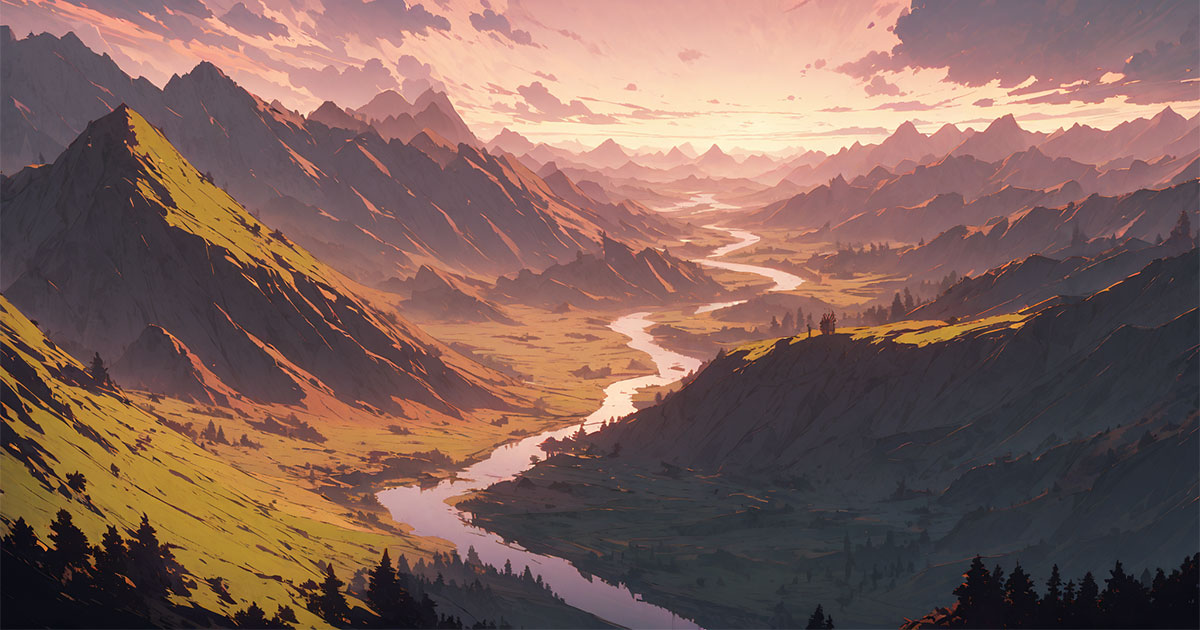
Why Lore Is Essential in an Isekai
You can’t build a story on empty space The issue is simple: when you set out to build an isekai and want to combine action, challenges, humor, romance, or drama, none of it can exist in a vacuum.These elements do not emerge on their own. They arise from interactions, shaped by an environment, social rules,…