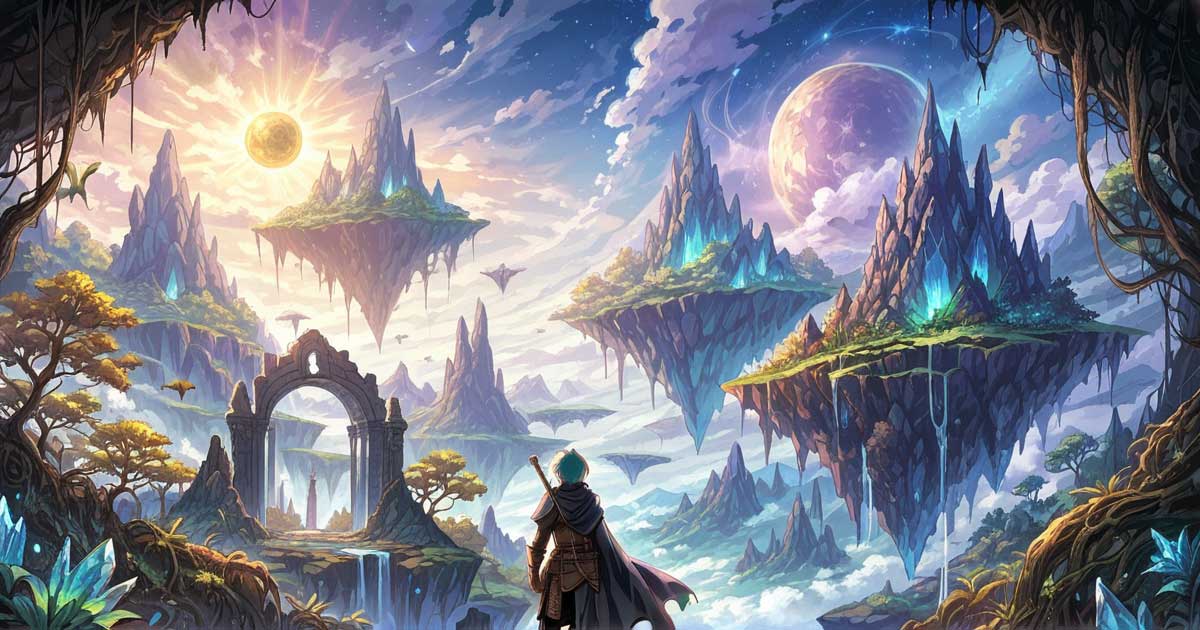

Parallel World — Otherness, discovery, and new laws
Parallel world evokes the idea of an elsewhere—distinct from the original reality yet governed by its own laws. It is not merely a change of scenery, but a shift in reference points, a rupture that confronts characters with a different logic of reality. Entering a parallel world means accepting that what once felt obvious no longer applies, and that new rules now shape choices, dangers, and opportunities.
The strength of a parallel world lies in its internal coherence. Even when it stands in sharp contrast to the original world, it must follow a readable structure. Worldbuilding plays a central role here, defining boundaries, systems, and tensions unique to that universe. Lore then adds depth, suggesting a history, myths, or conflicts that existed long before the protagonists arrived.
In many narratives, the parallel world acts as a revelator. By placing two realities in opposition, it exposes characters’ flaws, desires, and latent strengths. This mechanism is especially prominent in portal fantasy and isekai, where the passage between worlds becomes a narrative engine in its own right. The contrast between universes deepens immersion and reinforces the sense of displacement.
A parallel world is not limited to spectacle. It shapes progression, character development, and sometimes even the structure of the story itself. Systems of magic, social rules, or forms of power imposed by this other reality force protagonists to adapt, to learn, and at times to redefine who they are.
This section proposes to approach the parallel world as both a narrative and conceptual tool: a space where realities collide, a testing ground for the universe, and a powerful lever for exploring transformation, choice, and identity.
-
Michihiro Ikemizu
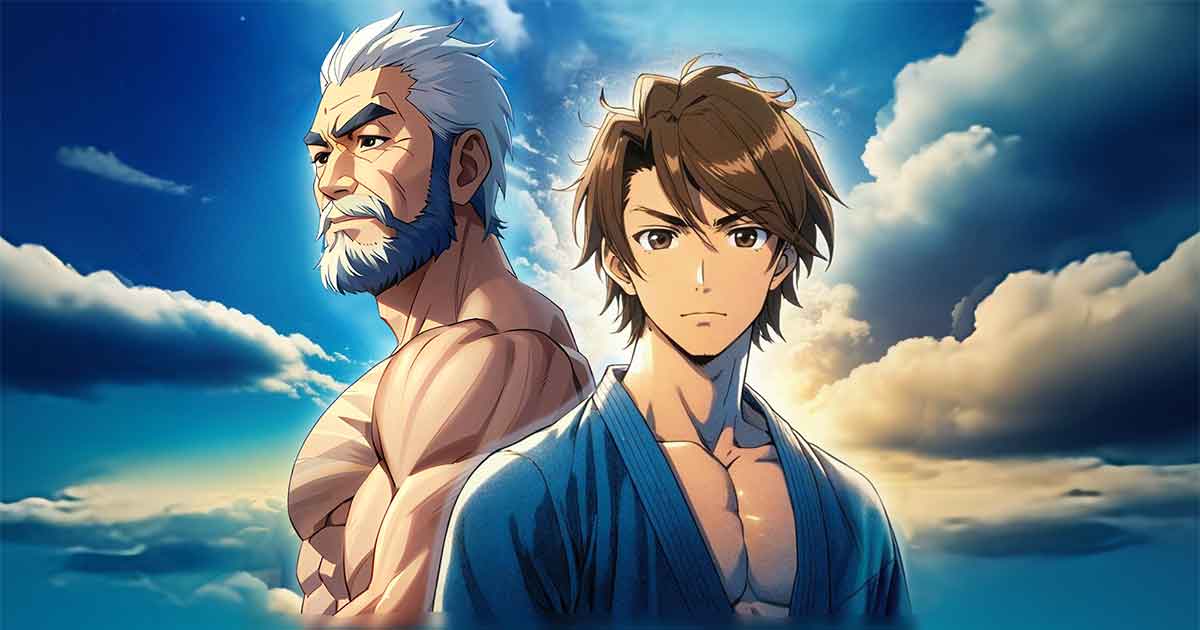
In the garden of Okinawa, family and press were gathered.A new record was about to be broken. Everything had been carefully prepared.The ground had been cleared with precision.The concrete blocks were aligned, their edges sharp, their surfaces still intact. Michihiro Ikemizu knew their density, their resistance, the exact way they would give under impact.His body…
-
Why Lore Is Essential in an Isekai
You can’t build a story on empty space The issue is simple: when you set out to build an isekai and want to combine action, challenges, humor, romance, or drama, none of it can exist in a vacuum.These elements do not emerge on their own. They arise from interactions, shaped by an environment, social rules,…
-
Why Isekai Works So Well: Immersion, Progression, and Narrative Fantasy
Introduction Isekai is not merely a subgenre of Japanese fantasy. It is an extremely effective narrative device, designed to quickly capture the reader, immerse them in a codified world, and guide them through a gradual rise in power. If it works so well—whether in light novels, manga, or anime—it is neither by chance nor a…
-
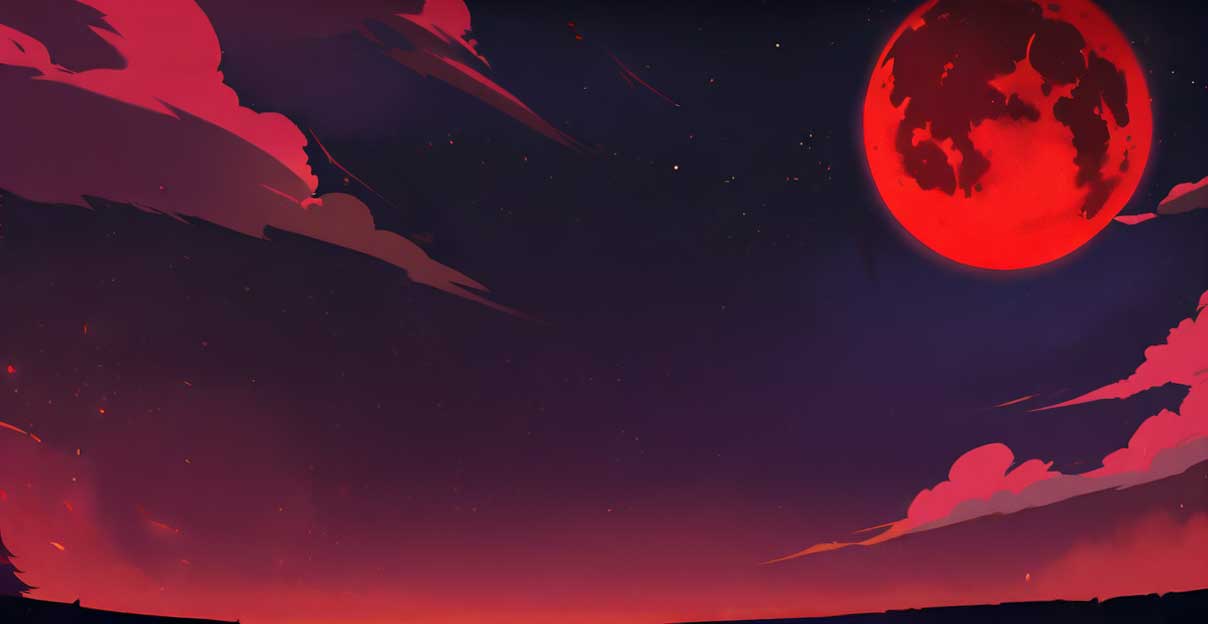
Vespera — The Red Moon
Meaning and Origin of the Name Vespera The name Vespera derives from the Latin word vesper, meaning “evening.” In ancient times, the term referred to the celestial body visible at twilight — the “evening star” — appearing when daylight fades but night has not yet fully taken hold. In classical tradition, this star corresponded to…
-
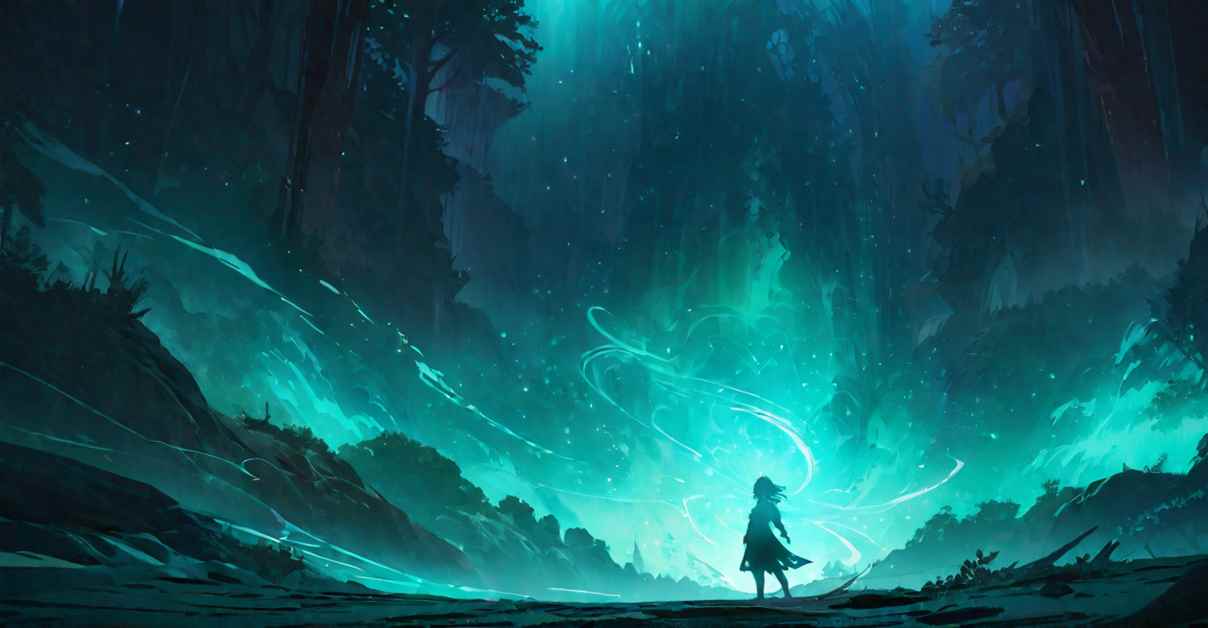
What Is an Isekai? Definition, Origins, and Genre Tropes
Isekai is one of the most popular genres in modern Japanese storytelling, spanning manga, light novels, and anime. It features a protagonist who is transported, summoned, or reincarnated into another world—often radically different from our own. Since the 2010s, isekai has experienced a spectacular rise. Sword Art Online, Re:Zero, Mushoku Tensei, Overlord—these titles pushed the…