
Magic — Magical forces, systems, and practices shaping the world and its inhabitants.
Magic is often the element that shifts a world from the familiar into the realm of imagination. It fascinates, inspires wonder, and sometimes unease, because it introduces forces that go beyond the ordinary without negating it. When handled well, magic does not replace the story—it expands it, becoming a language of the world itself, complete with limits, uses, and consequences.
Within a fantasy world, magic is rarely just a visual spectacle. It shapes how societies function, what people believe in, and how power is exercised. Some cultures revere it, others fear it or attempt to control it. These differing relationships create natural tensions and fuel conflicts, whether personal or political, allowing magic to reflect deeper human struggles.
Consistency remains essential. Magic without structure weakens narrative stakes, while a clear system gives weight to every choice. Cost, rarity, learning, and inheritance all influence how magic is used and understood. For this reason, it is often closely tied to worldbuilding, grounding extraordinary abilities within the logic and history of the setting.
Magic can also take many forms. It may appear through ancient rituals, innate talents, or fragmented knowledge preserved in lore. In certain stories—particularly in isekai—it becomes a driver of progression or transformation, revealing both the strengths and limits of the protagonist. Each expression of magic tells a story about the world and those who inhabit it.
This section brings together articles dedicated to magic, its systems, its variations, and its narrative role. The texts gathered here explore how magic shapes worlds, influences characters, and deepens immersion, contributing to settings that feel coherent, engaging, and alive.
-

Building a Credible World Without Turning It into an Encyclopedia
Why Too Much Lore Hurts Worldbuilding Worldbuilding plays a central role in many fantasy and light novel narratives. However, when authors discover worldbuilding, many of them make the same mistake: they try to design everything, document everything, and explain everything before even beginning their story. This approach often results in hundreds of pages of notes,…
-

How to Avoid Inconsistent Magic Systems
Magic systems are at the core of worldbuilding in fantasy, light novels, and isekai. Yet many become inconsistent, weakening both narrative tension and the credibility of the story. Building a coherent magic system is not about making it realistic, but about ensuring narrative consistency, clarity, and integration within the broader world. Here is a clear…
-

The Relationship Between Power and Responsibility in a Narrative Universe
Power and Responsibility in Fantasy and Isekai: Building a Credible System In many fantasy stories, and especially in light novels and isekai, power occupies a central role. Magical power, political authority, military strength, or economic influence structure conflicts, alliances, and the evolution of characters. When a story grants extraordinary abilities to its characters without limits,…
-

Fantasy Novels
Fantasy Novels: From Western Epic Sagas to Japanese Light Novel Worlds Yet behind this apparent unity lies a genre of remarkable richness. Fantasy has developed through multiple literary traditions: the great Western epic sagas on one side, and more recently the narrative universes shaped by Japanese light novels on the other. To understand modern fantasy…
-

Non-Western Temporal Models in Isekai and Fantasy Worlds
Although many fantasy worlds draw inspiration from medieval Europe, isekai settings are deeply influenced by Asian history. Several historical periods offer rich foundations for fantasy worldbuilding. Feudal Japan (Heian, Kamakura, Edo periods) These eras rely on a social structure very different from European feudalism. Key characteristics: Mini narrative scenario In a kingdom inspired by feudal…
-

Mana and Aether: How Fantasy Reinvents the Sources of Magic
Mana and aether have become two central concepts in modern fantasy. Whether we are speaking about high fantasy, RPGs, or light novel isekai, these two terms structure a significant part of contemporary magic systems. But what do they actually mean?Is there an official definition?Are they interchangeable, or fundamentally different? In this article, we will compare…
-

Magical Systems in Isekai: Rules, Limits, and Narrative Stakes
In an isekai story, magic is never just background decoration. It structures the world, defines social hierarchies, shapes conflicts, and guides the protagonist’s arc. In a light novel, it also becomes a rhythmic engine: progression, revelations, limitations, and strategy. Understanding how to design a coherent magical system is essential for writing a strong and lasting…
-
The Notion of Merit in the Transmission of Power in Arius Lovelace
Introduction In many fantasy narratives—and even more so in isekai—the transmission of power rests on an implicit principle: to receive is to be worthy. The protagonist inherits exceptional abilities, sometimes upon arrival in a new world, and their legitimacy is rarely questioned. The universe of ISEKAI The Otherworlder’s Heir adopts a different stance. It draws…
-
Why Two Magic Systems Make an Isekai Better (Mana vs Ether Explained)
In ISEKAI The Otherworld’s Heir, the universe relies on two distinct magic systems: mana and ether.This article explains why this dual magic system is central to fantasy worldbuilding, narrative coherence, and the protagonist’s progression in an isekai.By distinguishing a widespread, versatile magic from a rare, physically “real” magic, the setting avoids the common inconsistencies of…
-
Vespera — The Red Moon
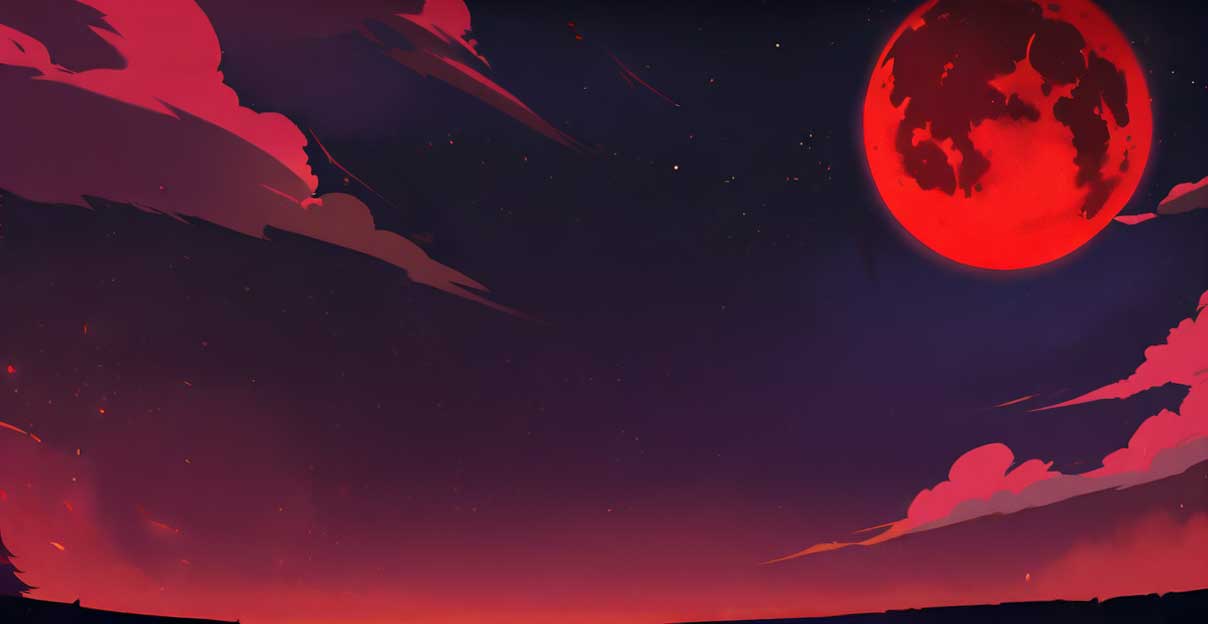
Meaning and Origin of the Name Vespera The name Vespera derives from the Latin word vesper, meaning “evening.” In ancient times, the term referred to the celestial body visible at twilight — the “evening star” — appearing when daylight fades but night has not yet fully taken hold. In classical tradition, this star corresponded to…