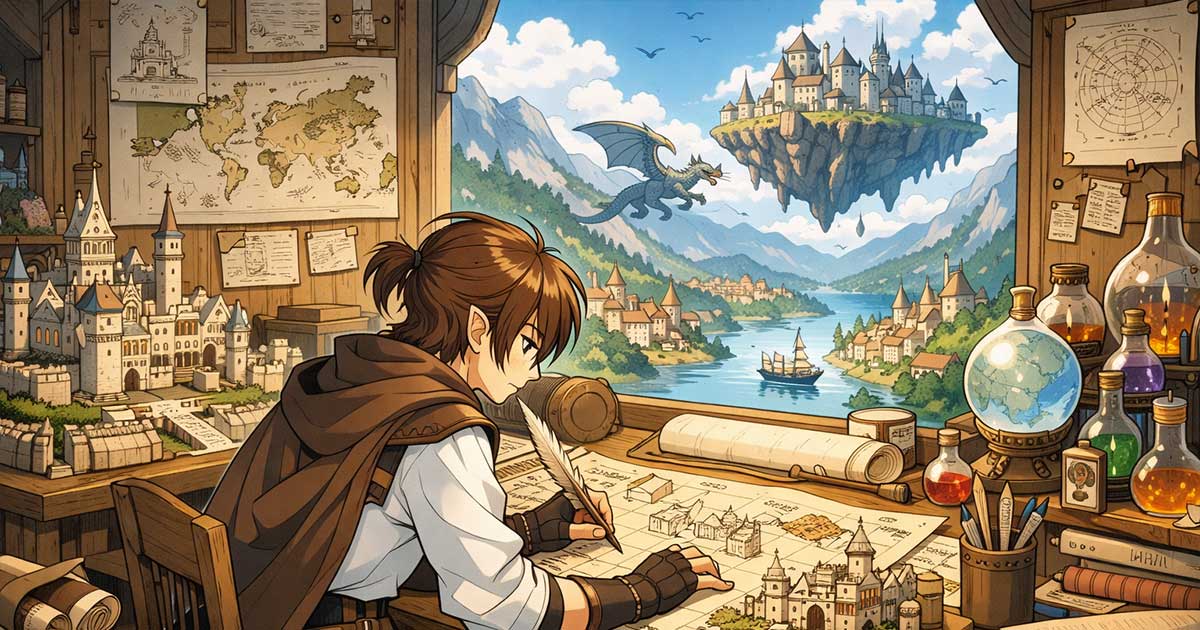

World building fantasy — World architecture and details that hold
Fantasy worldbuilding refers to the craft of creating a world that stands on its own beyond the immediate plot. It is not about piling up ideas or details, but about giving the reader the sense that the universe existed before the first page and continues to exist after the last. A believable world is not explained outright; it is discovered, explored, and felt.
In fantasy, worldbuilding plays a central role. Kingdoms, cultures, belief systems, geography, and power structures shape every narrative decision. Whether in heroic fantasy, epic fantasy, or medieval fantasy, the world is never a simple backdrop: it imposes constraints, generates tension, and guides the paths taken by characters.
Strong worldbuilding relies on coherent foundations. Fantasy kingdoms follow political, economic, or religious logics that can be intuitively grasped. Legendary creatures belong to an ecology and a body of myths. Systems of magic operate according to implicit or explicit rules that prevent arbitrariness. Each element reinforces the others, forming a whole in which nothing feels accidental.
This underlying structure directly fuels immersion. Readers understand why certain roads are dangerous, why conflicts erupt, and why traditions endure. Narrative consistency emerges from this internal logic: events feel inevitable because they arise naturally from the world itself.
Fantasy worldbuilding also interacts closely with narration and narrative writing. Overexposed, it weighs the story down; too subtle, it loses substance. The balance lies in revealing the world through action, choices, silences, and consequences rather than through direct exposition.
This section explores the articles that examine how fantasy worlds are built, how their internal mechanisms operate, and how deliberate authorial choices turn an imagined setting into a living, coherent, and memorable space of reading.
-
Understanding the Difference Between Isekai and Fantasy
Isekai vs Fantasy: What Truly Sets Them Apart Confusion between isekai and fantasy is common, particularly when the isekai genre is first encountered through contemporary light novels. Yet the difference between isekai and fantasy is not merely a matter of vocabulary—it lies in the very structure of the narrative. Fantasy refers to a broad literary…
-
Worldbuilding: Building a Coherent Universe Without Explaining Everything — Rules, Margins, and Invisible Decisions
Worldbuilding is one of the pillars of a coherent universe in fantasy and isekai. Building a believable world does not mean explaining everything, but establishing structuring rules, a stable internal logic, and invisible decisions that can support the story over time. In this article, I am not describing a specific universe. I am presenting a…
-
How to Share Worldbuilding Without Drowning the Reader – Fantasy & Isekai Writing
Balance, pacing, and information delivery in fantasy and isekai Introductory Summary Building a rich universe is essential in fantasy and isekai, but poorly delivered worldbuilding can quickly weigh a story down. This article explores how to avoid infodumps, preserve narrative pacing, and transmit information organically—without sacrificing depth or coherence. Introduction — The Invisible Worldbuilding Trap…
-
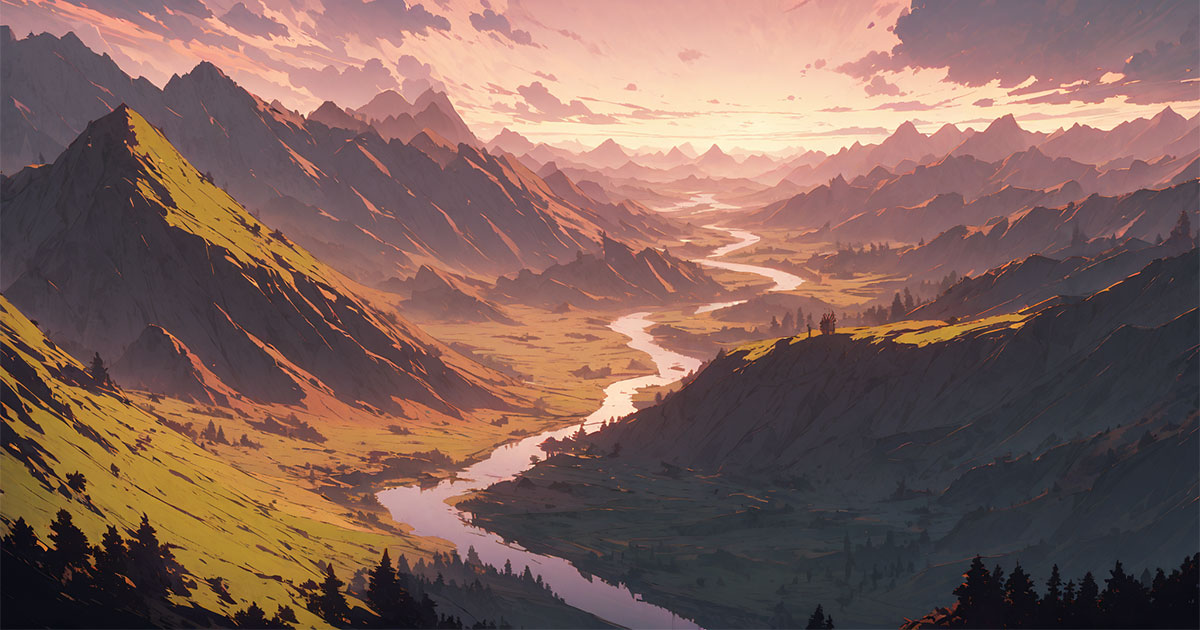
Why Lore Is Essential in an Isekai
You can’t build a story on empty space The issue is simple: when you set out to build an isekai and want to combine action, challenges, humor, romance, or drama, none of it can exist in a vacuum.These elements do not emerge on their own. They arise from interactions, shaped by an environment, social rules,…
-
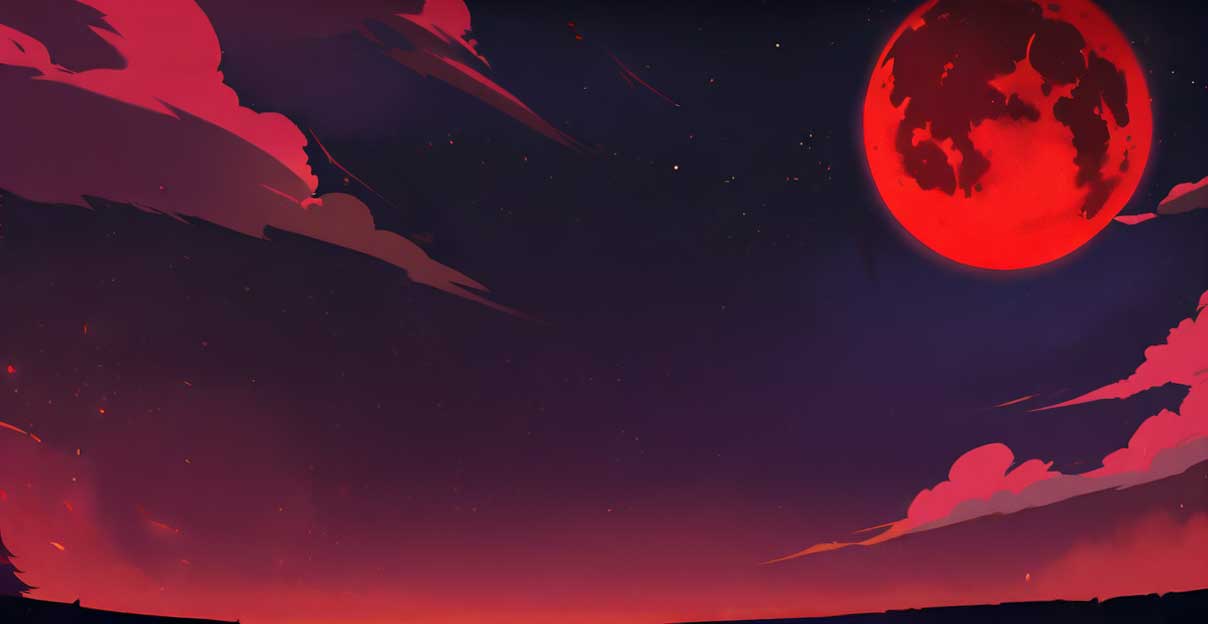
Vespera — The Red Moon
The name Vespera derives from vesper, meaning “evening.” In ancient times, it referred to the celestial body of twilight — the “evening star” — visible when the day fades without the night yet fully prevailing. Ancient Origins and Traditions Certain traditions claim that, before becoming a captive celestial body of the Great Land, the red…
-
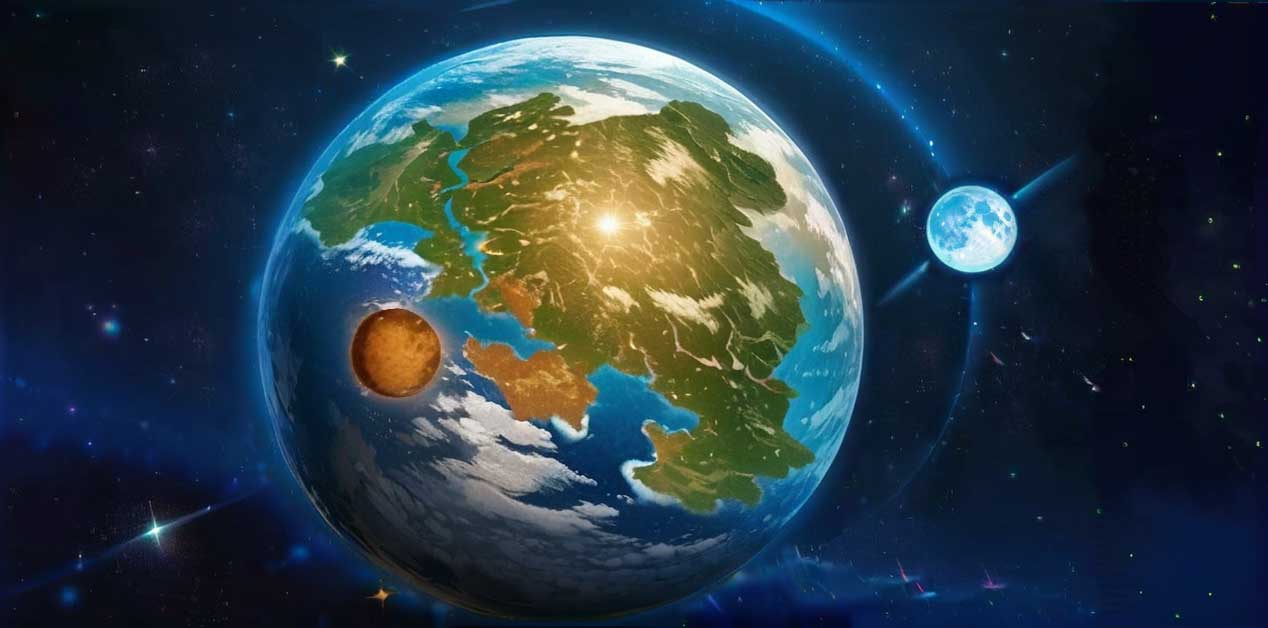
The Great Land
The birth of a myth People say that before the arrival of the second moon — Vespera —, at the dawn of the cataclysm that marked the birth of a new era, no one knew what shape the world truly had. Nations lived by the rhythm of the seasons, convinced that the land simply stretched…
-
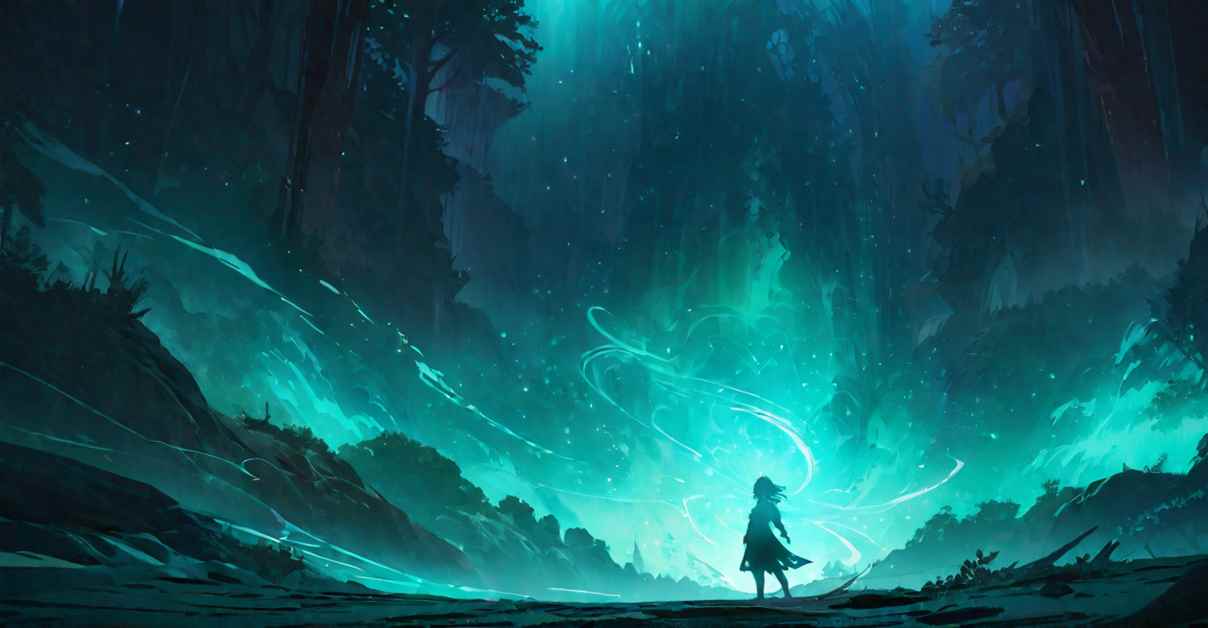
What Is an Isekai? Definition, Origins, and Genre Tropes
Isekai is one of the most popular genres in modern Japanese storytelling, spanning manga, light novels, and anime. It features a protagonist who is transported, summoned, or reincarnated into another world—often radically different from our own. Since the 2010s, isekai has experienced a spectacular rise. Sword Art Online, Re:Zero, Mushoku Tensei, Overlord—these titles pushed the…