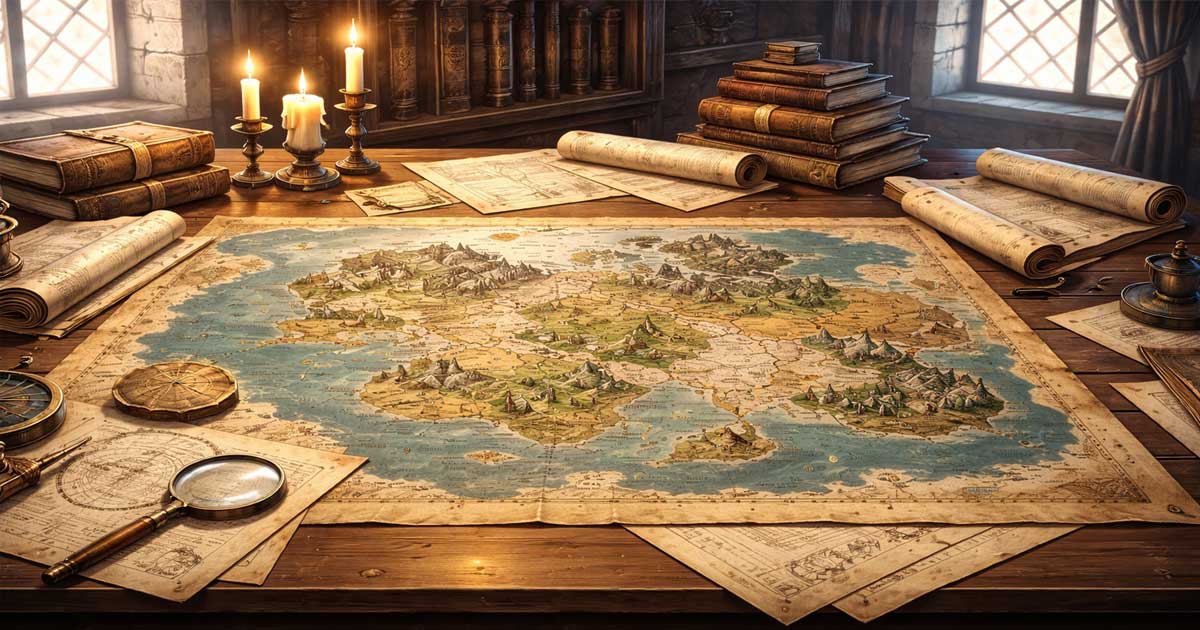

Worldbuilding — The creation and development of a coherent fictional world, its history and laws.
Worldbuilding refers to the craft of designing a fictional world capable of sustaining a story over time. It is not about stacking locations or rules, but about shaping a setting where geography, cultures, beliefs, and systems naturally serve the narrative. A well-built world does not overwhelm the reader; it reveals itself gradually, through scenes, actions, and choices.
In a fantasy setting, worldbuilding provides depth and texture. Kingdoms carry history, conflicts are rooted in the past, and traditions exist for a reason. Even when the story focuses on a single character or a limited plotline, the sense of a larger world beyond the page strengthens immersion and makes the narrative more believable.
Consistency remains one of the core pillars of worldbuilding. Implicit rules must hold: what is possible, what is not, and at what cost. Whether dealing with magic, fictional technologies, or social structures, each system gains strength when it is connected to the story’s stakes. Worldbuilding is not a display case; it supports action and clarifies character decisions.
This work on the universe directly influences storytelling. It shapes pacing, guides conflict, and enriches interactions. A well-constructed world allows mystery, discovery, and progression to emerge naturally, while keeping the focus on human—or inhuman—trajectories. Elements of lore then become narrative tools rather than isolated background information.
This section brings together articles dedicated to worldbuilding, its methods, its structural choices, and its role in creating immersive narratives. The texts gathered here explore how worlds are built, how their internal logic is maintained, and how they enhance the reading experience through living, coherent settings.
-

Manga Adapted from a Light Novel: What Really Changes in the Narrative
Why do some manga adaptations of a Light Novel feel faster, more spectacular, yet sometimes less psychologically dense?Why do others successfully condense the story without weakening its emotional weight? The answer lies not in quality, but in structure. When a story moves from a textual system to a visual system, it undergoes a form of…
-

Magical Systems in Isekai: Rules, Limits, and Narrative Stakes
In an isekai story, magic is never just background decoration. It structures the world, defines social hierarchies, shapes conflicts, and guides the protagonist’s arc. In a light novel, it also becomes a rhythmic engine: progression, revelations, limitations, and strategy. Understanding how to design a coherent magical system is essential for writing a strong and lasting…
-
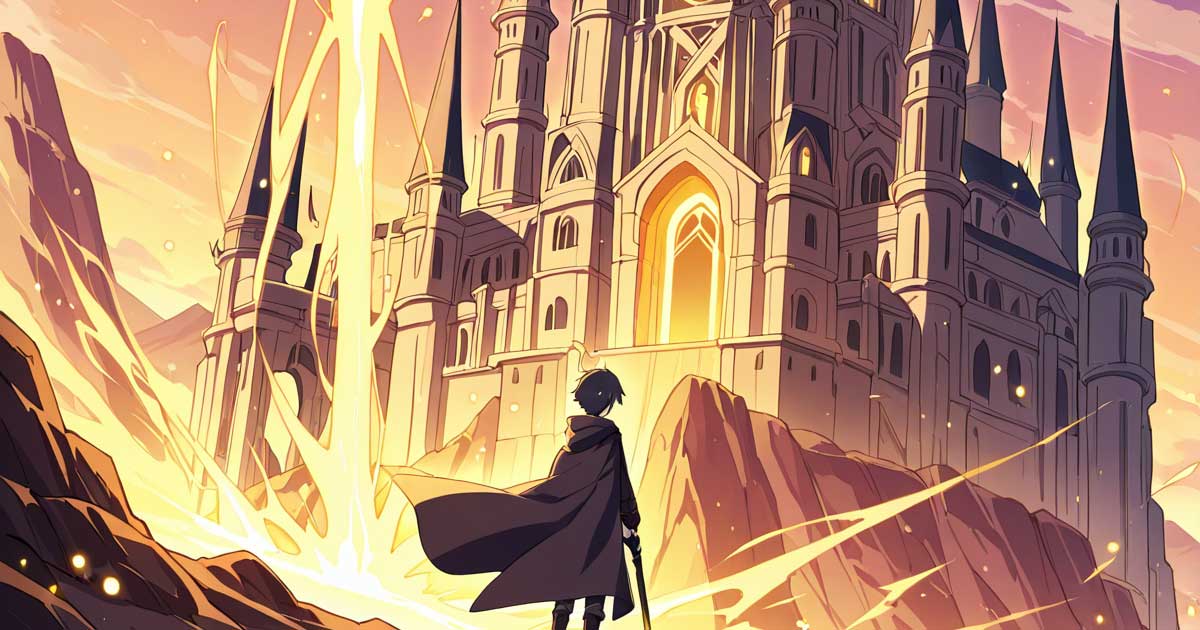
Understanding the Difference Between Isekai and Fantasy
Isekai vs Fantasy: What Truly Sets Them Apart Confusion between isekai and fantasy is common, particularly when the isekai genre is first encountered through contemporary light novels. Yet the difference between isekai and fantasy is not merely a matter of vocabulary—it lies in the very structure of the narrative. Fantasy refers to a broad literary…
-
What an Independent Author Can Build That No One Else Ever Will
When people talk about publishing, the discussion often focuses on visibility, distribution, or advertising. Traditional publishers undeniably have strong assets in this area: established networks, access to bookstores, sometimes even media exposure. It would be pointless to deny that. Yet this comparison overlooks a more fundamental reality: publishers and independent authors do not operate under…
-
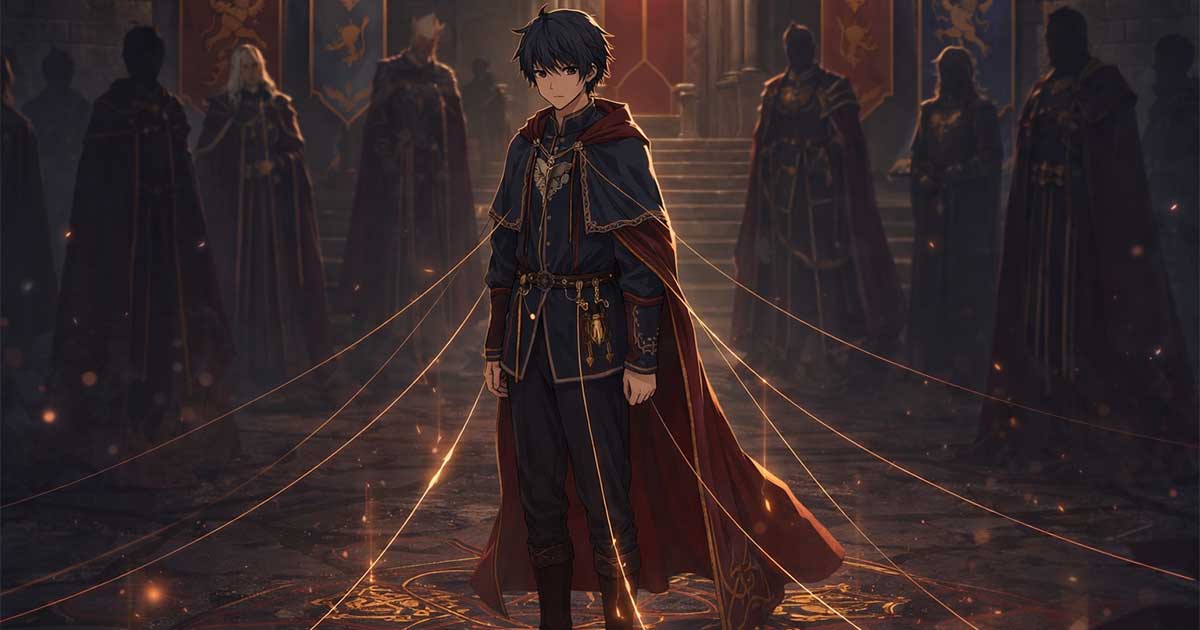
Lineage, Legacy, and Narrative Responsibility in an Isekai
Isekai worldbuilding, legacy, and power in fantasy In an isekai story, changing worlds does not always mean starting from nothing. Sometimes, the past is already waiting there—embedded in a name, a bloodline, or a lineage the world recognizes long before the protagonist understands its weight. This article explores lineage and legacy in isekai worldbuilding, not…
-

How to Write a Light Novel: From Concept to Volume Structure
Most light novel projects fail not because of style, but because of structure. Writing a light novel is not about telling a simplified long story. It is a precise architecture, designed for serialization, emotional progression, and sustained tension. Pasted text When applied to the isekai fantasy genre, every structural decision becomes even more strategic: the…
-
The Notion of Merit in the Transmission of Power in Arius Lovelace
Introduction In many fantasy narratives—and even more so in isekai—the transmission of power rests on an implicit principle: to receive is to be worthy. The protagonist inherits exceptional abilities, sometimes upon arrival in a new world, and their legitimacy is rarely questioned. The universe of ISEKAI The Otherworlder’s Heir adopts a different stance. It draws…
-
The Central Role of Progression in Light Novels
When discussing light novels, one concept comes up again and again—sometimes without being clearly named: progression.Many readers feel it instinctively, without always being able to define it. Yet it lies at the very heart of what makes the genre work, and even more so when it comes to isekai. Progression in Light Novels: More Than…
-

Mana and Ether: Why Two Magic Systems in ISEKAI The Otherworld’s Heir
In ISEKAI The Otherworld’s Heir, the universe relies on two distinct magic systems: mana and ether.This article explains why this dual magic system is central to fantasy worldbuilding, narrative coherence, and the protagonist’s progression in an isekai.By distinguishing a widespread, versatile magic from a rare, physically “real” magic, the setting avoids the common inconsistencies of…
-
Why I Chose to Write an Isekai
Reader frustrations, authorial choice, and an assumed narrative framework Introduction — Why isekai naturally imposed itself I did not choose to write an isekai because it was fashionable.It imposed itself on me as the most natural response to my frustrations as a reader and to my ambitions as an author. Before writing, I spent a…