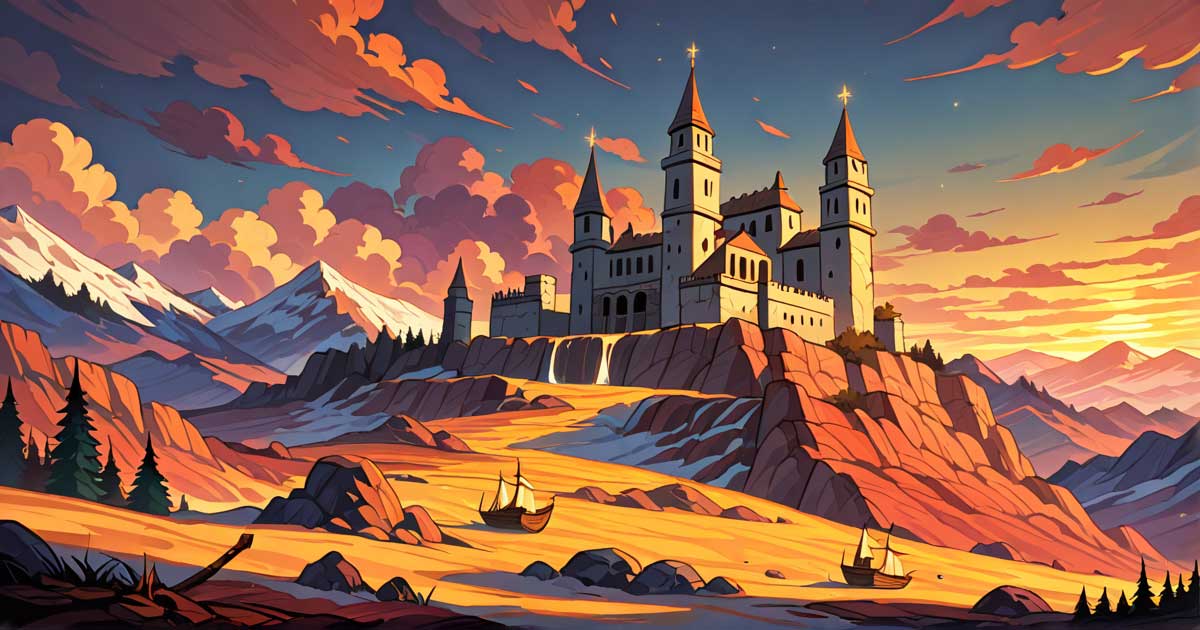

Fantasy World — World rules and texture: geography, cultures, tensions, and narrative promises
Fantasy world refers to far more than a simple backdrop in which characters move. It is a living, structured space shaped by rules, tensions, and its own history—one that influences plotlines as much as individual trajectories. A credible world does not merely exist behind the scenes; it constrains choices, drives actions, and gives meaning to conflict.
Building a fantasy world relies on a careful balance between imagination and coherence. Landscapes, kingdoms, cultures, and political systems must resonate with the narrative itself. Thoughtful worldbuilding anchors the universe in a solid internal logic, while lore deepens historical and symbolic layers—often implicitly, without weighing down the story.
A fantasy world also stands out by the way it weaves the wondrous into everyday life. The presence of magic, legendary creatures, or magical artifacts is not sufficient on its own. Their integration must remain consistent with the world’s rules and the expectations it creates. It is this coherence that allows readers to accept the extraordinary as self-evident.
In contemporary fantasy narratives, the world often becomes a narrative engine in its own right. Influences from medieval fantasy, epic fantasy, or hybrid forms such as isekai reshape how space, time, and stakes are conceived. The world is no longer static: it evolves, sometimes fractures, and mirrors the transformations of the characters who inhabit it.
This section examines the fantasy world through its many facets—its construction, internal rules, narrative role, and capacity to sustain immersion—highlighting the choices that give an imagined universe strength, coherence, and a distinctive identity.
-

Magical Systems in Isekai: Rules, Limits, and Narrative Stakes
In an isekai story, magic is never just background decoration. It structures the world, defines social hierarchies, shapes conflicts, and guides the protagonist’s arc. In a light novel, it also becomes a rhythmic engine: progression, revelations, limitations, and strategy. Understanding how to design a coherent magical system is essential for writing a strong and lasting…
-

Why Light Novels Emphasize Action and Inner Monologue
Light novels often prioritize action and inner monologue, a narrative choice that frequently puzzles readers accustomed to Western fantasy novels. This orientation is sometimes perceived as a simplification of writing or a stylistic weakness. In reality, it rests on a coherent narrative logic, closely tied to the structure of the medium and the reading experience…
-
The Notion of Merit in the Transmission of Power in Arius Lovelace
Introduction In many fantasy narratives—and even more so in isekai—the transmission of power rests on an implicit principle: to receive is to be worthy. The protagonist inherits exceptional abilities, sometimes upon arrival in a new world, and their legitimacy is rarely questioned. The universe of ISEKAI The Otherworlder’s Heir adopts a different stance. It draws…
-
Mana and Ether: Why Two Magic Systems in ISEKAI The Otherworld’s Heir
In ISEKAI The Otherworld’s Heir, the universe relies on two distinct magic systems: mana and ether.This article explains why this dual magic system is central to fantasy worldbuilding, narrative coherence, and the protagonist’s progression in an isekai.By distinguishing a widespread, versatile magic from a rare, physically “real” magic, the setting avoids the common inconsistencies of…
-
Worldbuilding: Building a Coherent Universe Without Explaining Everything — Rules, Margins, and Invisible Decisions
Worldbuilding is one of the pillars of a coherent universe in fantasy and isekai. Building a believable world does not mean explaining everything, but establishing structuring rules, a stable internal logic, and invisible decisions that can support the story over time. In this article, I am not describing a specific universe. I am presenting a…
-
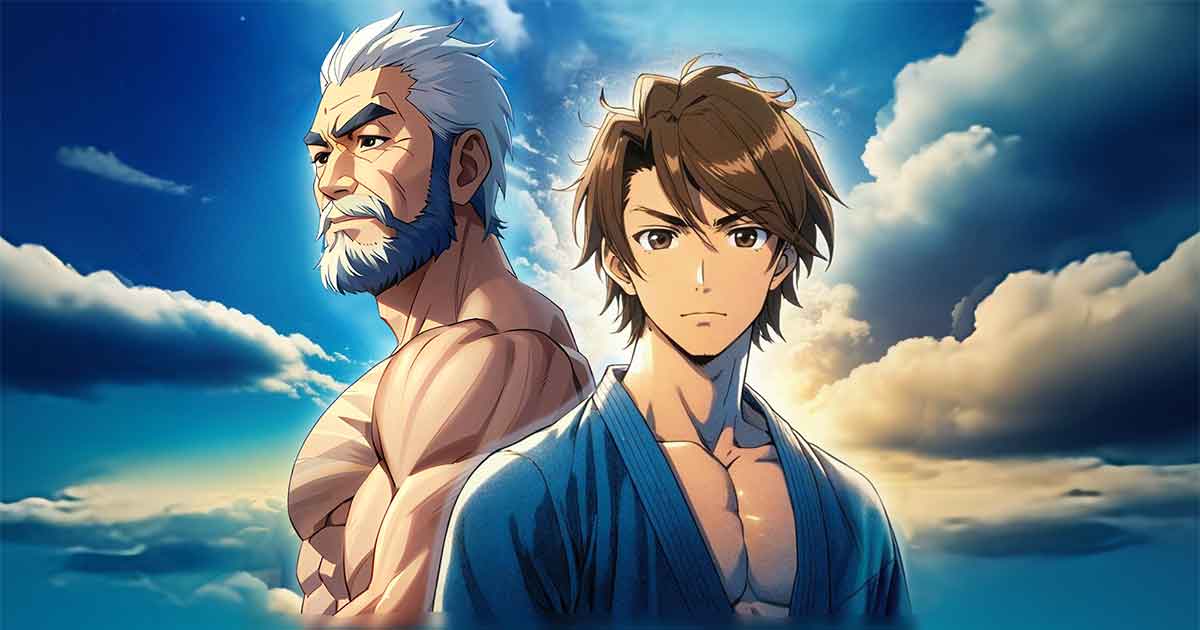
Michihiro Ikemizu
In the garden of Okinawa, family and press were gathered.A new record was about to be broken. Everything had been carefully prepared.The ground had been cleared with precision.The concrete blocks were aligned, their edges sharp, their surfaces still intact. Michihiro Ikemizu knew their density, their resistance, the exact way they would give under impact.His body…
-
Why Lore Is Essential in an Isekai
You can’t build a story on empty space The issue is simple: when you set out to build an isekai and want to combine action, challenges, humor, romance, or drama, none of it can exist in a vacuum.These elements do not emerge on their own. They arise from interactions, shaped by an environment, social rules,…
-
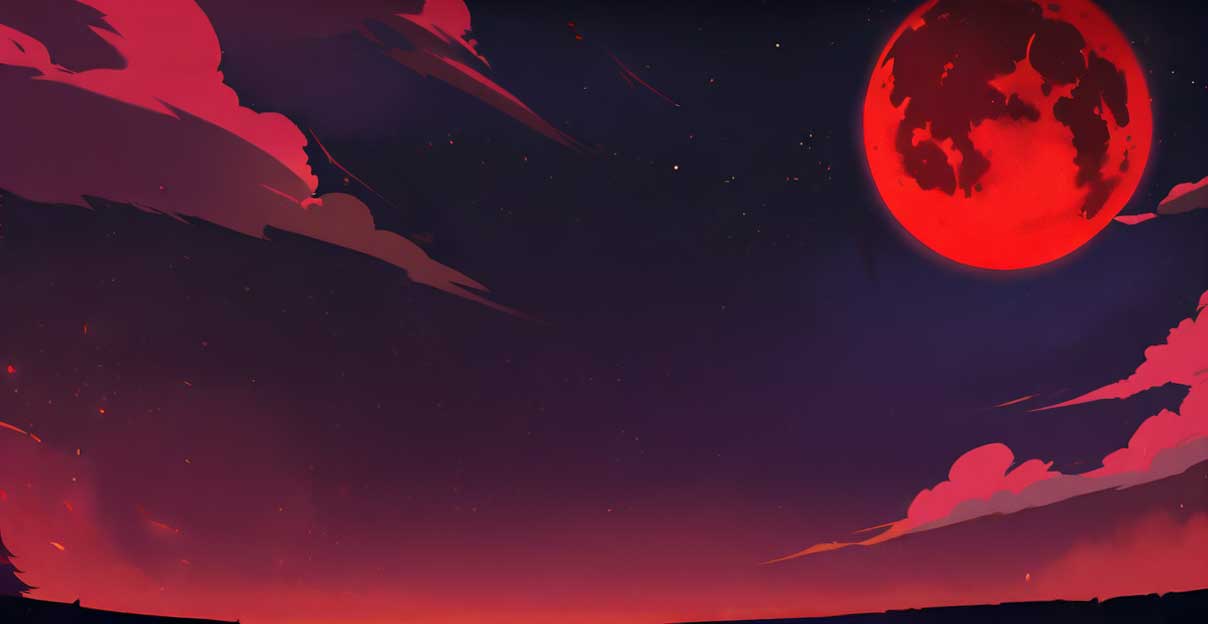
Vespera — The Red Moon
Meaning and Origin of the Name Vespera The name Vespera derives from the Latin word vesper, meaning “evening.” In ancient times, the term referred to the celestial body visible at twilight — the “evening star” — appearing when daylight fades but night has not yet fully taken hold. In classical tradition, this star corresponded to…
-
What Is an Isekai? Definition, Origins, and Genre Tropes
Isekai is one of the most popular genres in modern Japanese storytelling, spanning manga, light novels, and anime. It features a protagonist who is transported, summoned, or reincarnated into another world—often radically different from our own. Since the 2010s, isekai has experienced a spectacular rise. Sword Art Online, Re:Zero, Mushoku Tensei, Overlord—these titles pushed the…