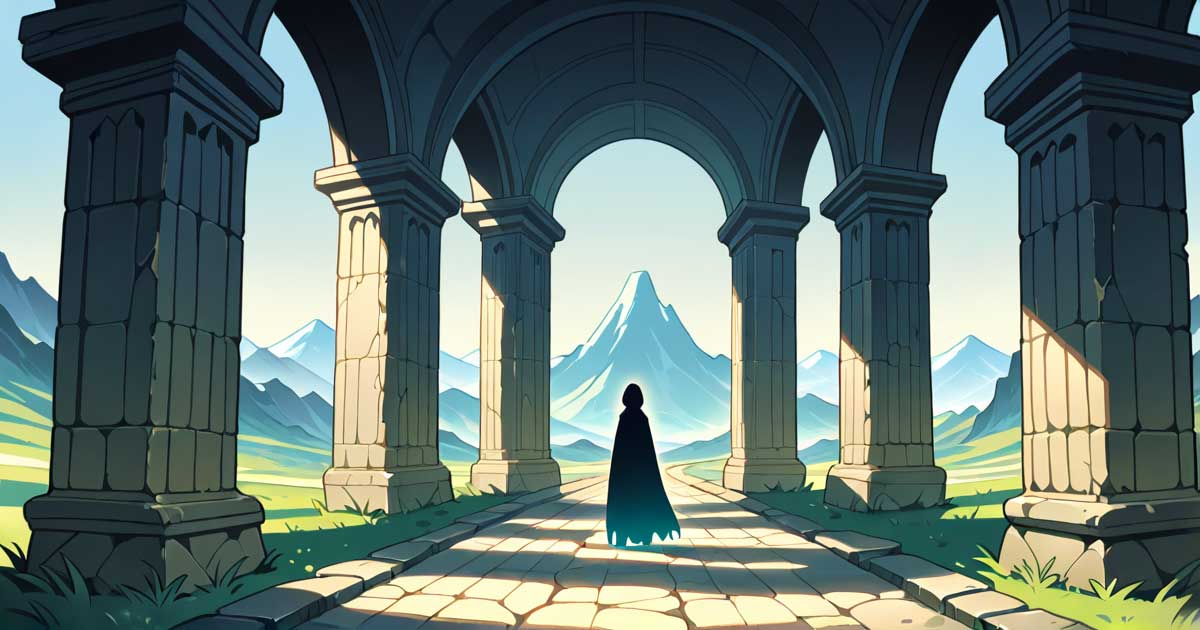

Isekai — Otherworld fantasy centered on a protagonist’s second chance
Isekai refers to a narrative genre of fantasy whose central principle is based on the passage of a protagonist into another world. This transition can take various forms—transportation, summoning, reincarnation, or a more ambiguous shift—but it always implies a rupture with the original world and entry into a universe governed by its own rules. The term isekai literally means “other world” in Japanese and refers to this idea of a radical change in setting and trajectory.
In an isekai narrative, the protagonist generally retains a consciousness, memory, or identity from their previous world. This continuity plays a central role: it creates a contrast between the individual and the new universe in which they now exist, and serves as a narrative anchor for exploring new systems, hierarchies, and possibilities. Isekai is therefore not limited to a simple change of scenery; it stages a confrontation between two distinct world logics.
The genre is frequently associated with the notion of a second chance. While not systematic, this idea runs through many narratives: the transition to another world allows the protagonist to rebuild themselves, correct past failures, or redefine their place within a different framework. This dimension gives isekai both a narrative and symbolic scope, where personal progression is closely tied to the discovery of the new world.
Isekai developed primarily within the realms of fantasy and the light novel, before branching into numerous forms, sometimes hybrid in nature. Whether it emphasizes action, reflection, progression, or exploration, the genre consistently relies on the relationship between a displaced protagonist and an otherworldly setting whose rules, limits, and stakes must be understood.
This section brings together articles related to isekai, approaching the genre from various conceptual and narrative perspectives. The associated texts explore its fundamental principles, its variations, and the ways in which the passage to another world is staged, interpreted, and integrated into the story.
-
Understanding the Difference Between Isekai and Fantasy
Isekai vs Fantasy: What Truly Sets Them Apart Confusion between isekai and fantasy is common, particularly when the isekai genre is first encountered through contemporary light novels. Yet the difference between isekai and fantasy is not merely a matter of vocabulary—it lies in the very structure of the narrative. Fantasy refers to a broad literary…
-
Common Mistakes When Writing an Isekai
Writing an isekai often feels deceptively easy. The genre is codified, popular, and extensively explored. Many beginner writers are drawn to it thinking that following a few formulas is enough to produce an effective story. In reality, it is precisely this apparent accessibility that makes it a particularly demanding field. The most common mistakes do…
-
How to Write a Light Novel: From Concept to Volume Structure
Most light novel projects fail not because of style, but because of structure. Writing a light novel is not about telling a simplified long story. It is a precise architecture, designed for serialization, emotional progression, and sustained tension. Pasted text When applied to the isekai fantasy genre, every structural decision becomes even more strategic: the…
-

Why Light Novels Emphasize Action and Inner Monologue
Light novels often prioritize action and inner monologue, a narrative choice that frequently puzzles readers accustomed to Western fantasy novels. This orientation is sometimes perceived as a simplification of writing or a stylistic weakness. In reality, it rests on a coherent narrative logic, closely tied to the structure of the medium and the reading experience…
-
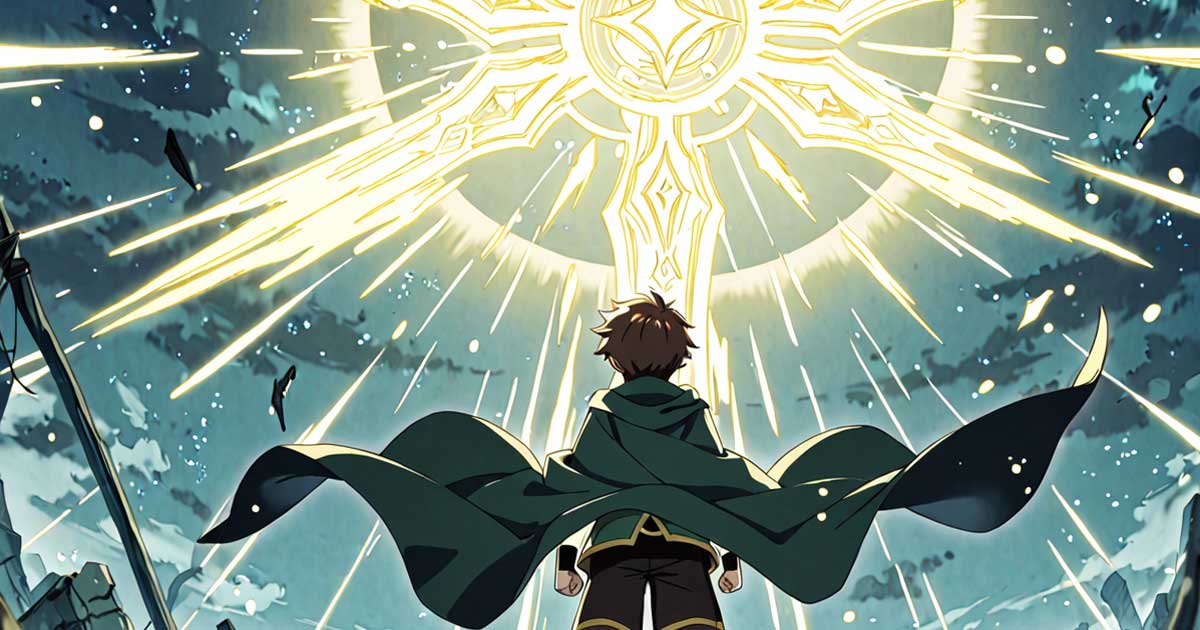
The Notion of Merit in the Transmission of Power in Arius Lovelace
Introduction In many fantasy narratives—and even more so in isekai—the transmission of power rests on an implicit principle: to receive is to be worthy. The protagonist inherits exceptional abilities, sometimes upon arrival in a new world, and their legitimacy is rarely questioned. The universe of ISEKAI The Otherworlder’s Heir adopts a different stance. It draws…
-
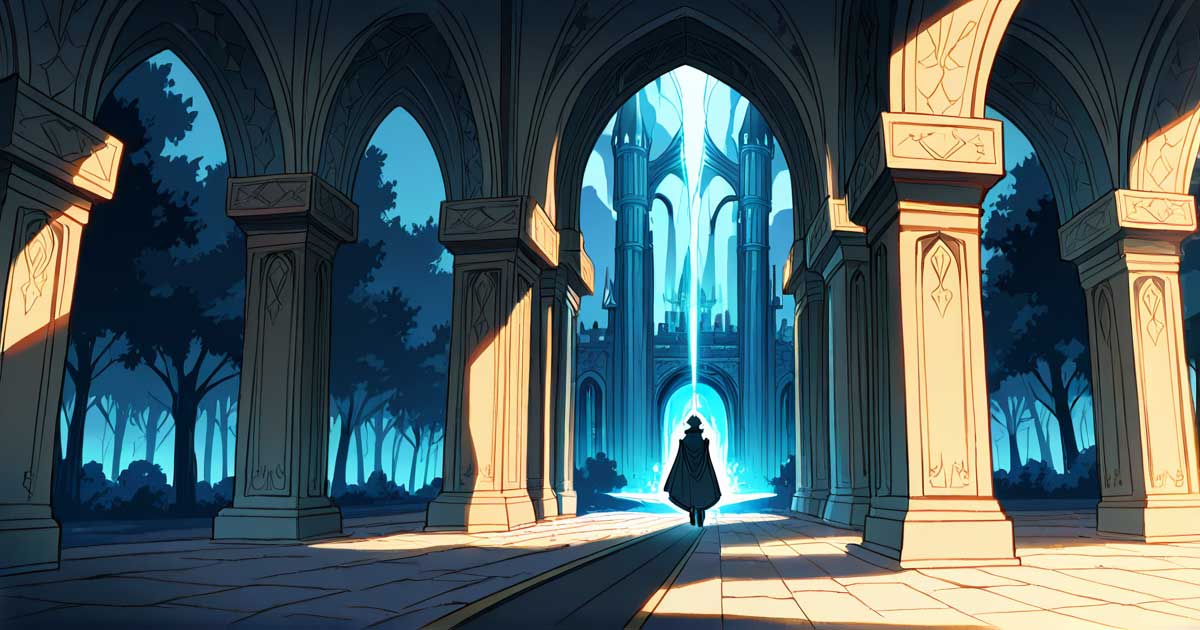
The Structure of the Light Novel Explained: Arcs, Rhythm, and Serialization Logic
Why Do Some Isekai Sagas Endure… While Others Collapse? Why do some isekai series surpass ten volumes while maintaining narrative tension, while others lose momentum after only a few books? The answer rarely lies in the initial concept.It lies in the structure of the light novel. A light novel is a serialized novel of Japanese…
-
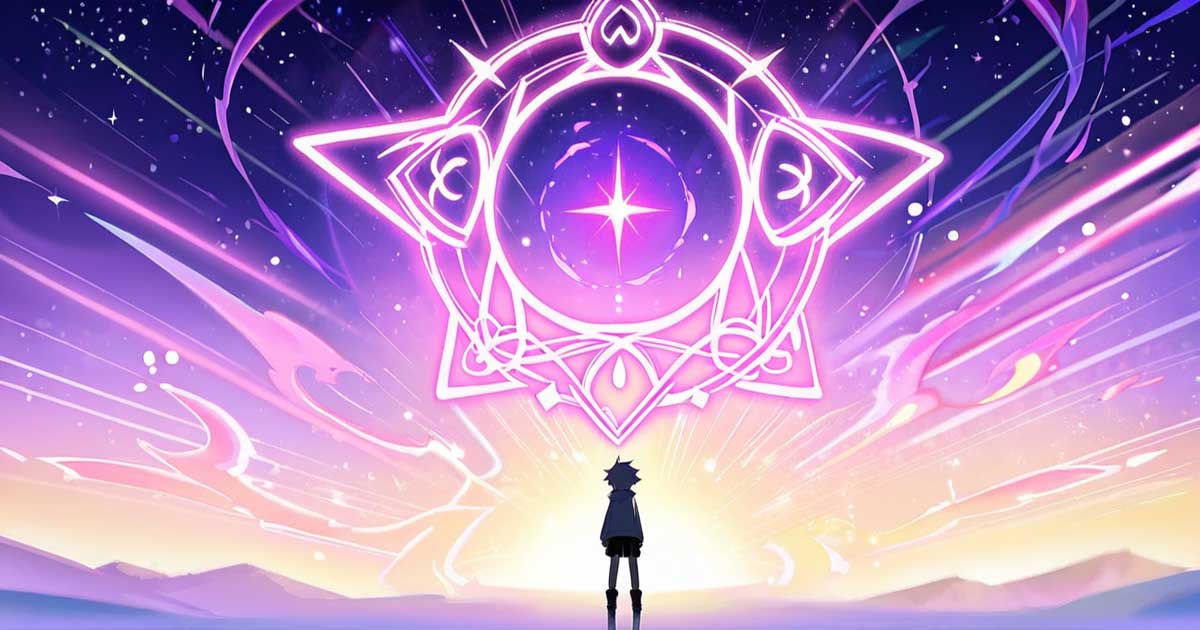
The Weight of Legacy in Arius Lovelace
Psychological and Narrative Analysis of an Isekai Character Introduction Legacy is often portrayed as a promise: that of a greater destiny, a future accomplishment, or latent greatness. In ISEKAI The Otherworlder’s Heir, this notion plays a central role in the psychological construction of the character, but in a form that differs markedly from the archetypal…
-

What I Didn’t Know Before Writing My First Volume
(and why I still had to start anyway) Writing a book often begins with a contradiction. On the one hand, you feel you have an idea, a direction, something to say.On the other, you know perfectly well you’re not ready. Not really. Not technically. Not methodologically. When I started writing my first volume, I very…
-
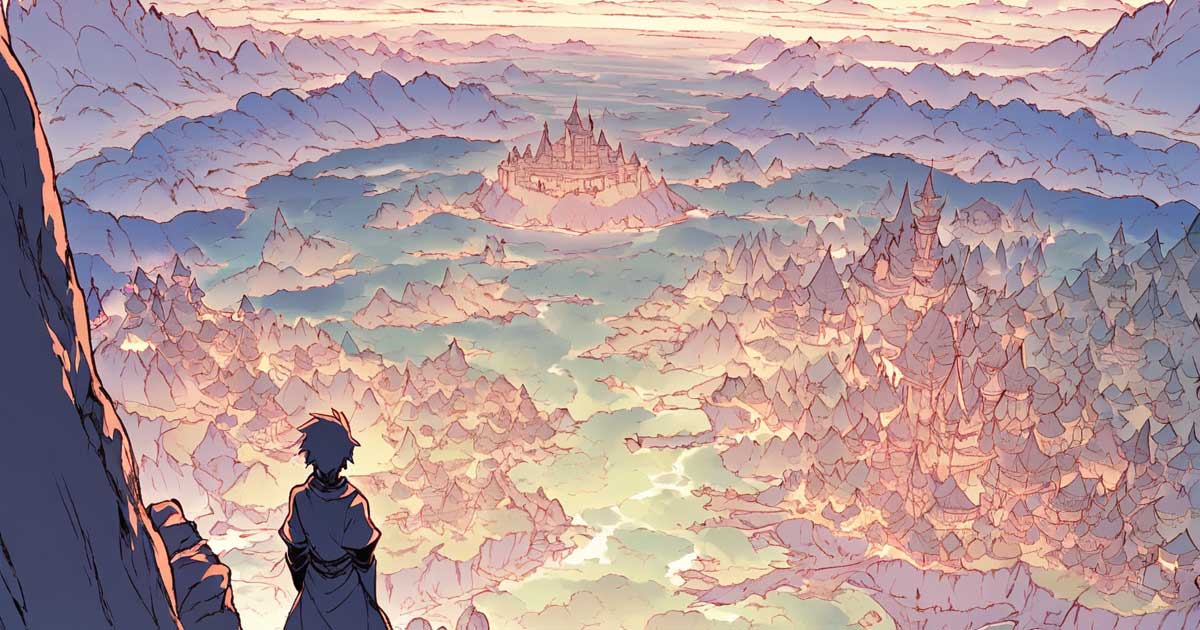
The Central Role of Progression in Light Novels
When discussing light novels, one concept comes up again and again—sometimes without being clearly named: progression.Many readers feel it instinctively, without always being able to define it. Yet it lies at the very heart of what makes the genre work, and even more so when it comes to isekai. Progression in Light Novels: More Than…
-
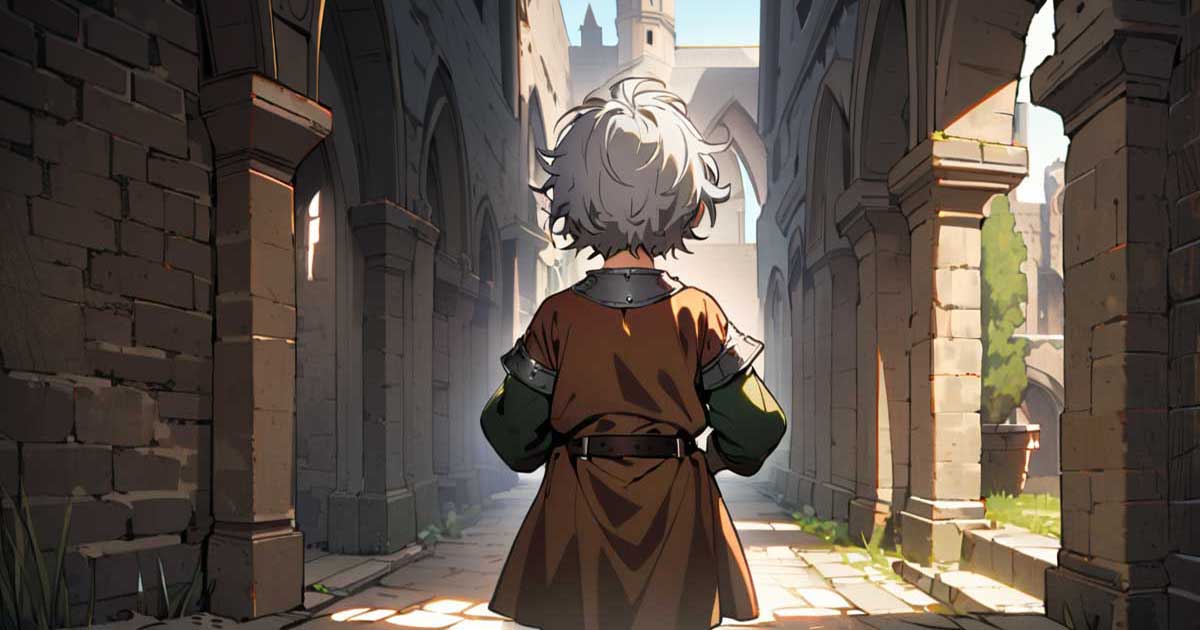
Building a Progression-Driven Protagonist
A Return of Experience with Arius Lovelace (Isekai) Characters & Emotional Dynamics In isekai, the question of progression comes up almost every time — and it is often reduced to a simple increase in power: more skills, higher numbers, greater advantages.Yet this kind of progression, effective as it may be in the short term, does…