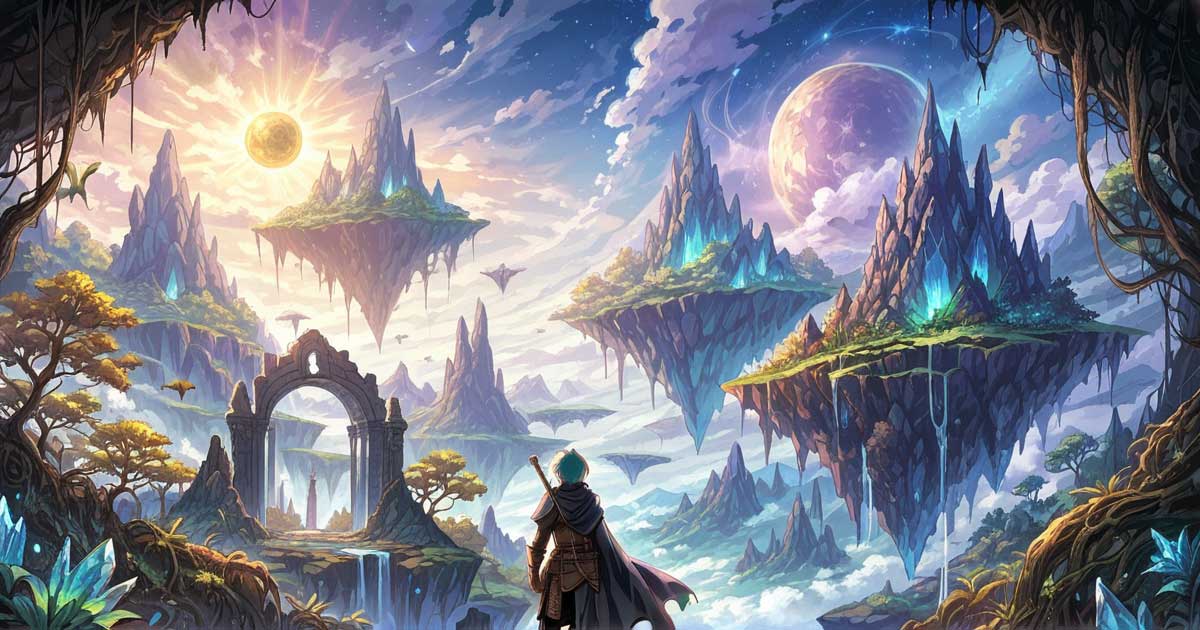

Parallel World — Otherness, discovery, and new laws
Parallel world evokes the idea of an elsewhere—distinct from the original reality yet governed by its own laws. It is not merely a change of scenery, but a shift in reference points, a rupture that confronts characters with a different logic of reality. Entering a parallel world means accepting that what once felt obvious no longer applies, and that new rules now shape choices, dangers, and opportunities.
The strength of a parallel world lies in its internal coherence. Even when it stands in sharp contrast to the original world, it must follow a readable structure. Worldbuilding plays a central role here, defining boundaries, systems, and tensions unique to that universe. Lore then adds depth, suggesting a history, myths, or conflicts that existed long before the protagonists arrived.
In many narratives, the parallel world acts as a revelator. By placing two realities in opposition, it exposes characters’ flaws, desires, and latent strengths. This mechanism is especially prominent in portal fantasy and isekai, where the passage between worlds becomes a narrative engine in its own right. The contrast between universes deepens immersion and reinforces the sense of displacement.
A parallel world is not limited to spectacle. It shapes progression, character development, and sometimes even the structure of the story itself. Systems of magic, social rules, or forms of power imposed by this other reality force protagonists to adapt, to learn, and at times to redefine who they are.
This section proposes to approach the parallel world as both a narrative and conceptual tool: a space where realities collide, a testing ground for the universe, and a powerful lever for exploring transformation, choice, and identity.
-

Manga Adapted from a Light Novel: What Really Changes in the Narrative
Why do some manga adaptations of a Light Novel feel faster, more spectacular, yet sometimes less psychologically dense?Why do others successfully condense the story without weakening its emotional weight? The answer lies not in quality, but in structure. When a story moves from a textual system to a visual system, it undergoes a form of…
-

The Psychological Evolution of Arius Across the Volumes
Introduction — Fragility and Coherence in an Isekai Light Novel In a Light Novel, and especially in an isekai fantasy, character progression is often associated with rising power. Yet power alone does not create long-term reader attachment. What truly sustains engagement is psychological coherence. In this article, I examine Arius’s psychological evolution across the volumes,…
-
Understanding the Difference Between Isekai and Fantasy
Isekai vs Fantasy: What Truly Sets Them Apart Confusion between isekai and fantasy is common, particularly when the isekai genre is first encountered through contemporary light novels. Yet the difference between isekai and fantasy is not merely a matter of vocabulary—it lies in the very structure of the narrative. Fantasy refers to a broad literary…
-
Common Mistakes When Writing an Isekai
Writing an isekai often feels deceptively easy. The genre is codified, popular, and extensively explored. Many beginner writers are drawn to it thinking that following a few formulas is enough to produce an effective story. In reality, it is precisely this apparent accessibility that makes it a particularly demanding field. The most common mistakes do…
-

How to Write a Light Novel: From Concept to Volume Structure
Most light novel projects fail not because of style, but because of structure. Writing a light novel is not about telling a simplified long story. It is a precise architecture, designed for serialization, emotional progression, and sustained tension. Pasted text When applied to the isekai fantasy genre, every structural decision becomes even more strategic: the…
-
The Structure of the Light Novel Explained: Arcs, Rhythm, and Serialization Logic
Why Do Some Isekai Sagas Endure… While Others Collapse? Why do some isekai series surpass ten volumes while maintaining narrative tension, while others lose momentum after only a few books? The answer rarely lies in the initial concept.It lies in the structure of the light novel. A light novel is a serialized novel of Japanese…
-
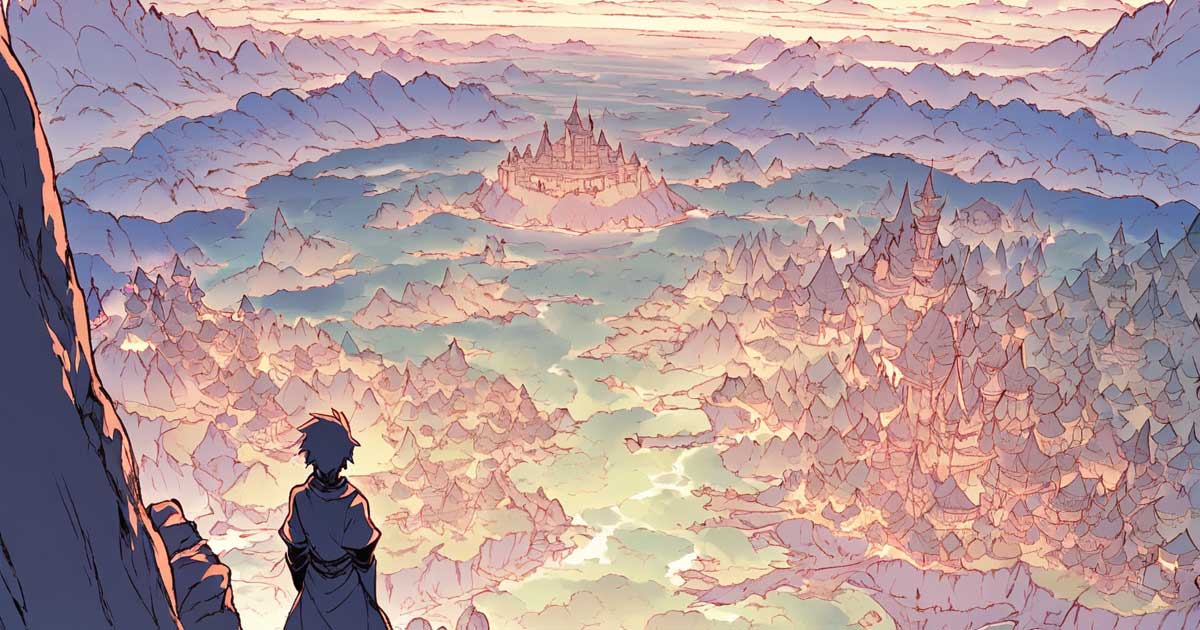
The Central Role of Progression in Light Novels
When discussing light novels, one concept comes up again and again—sometimes without being clearly named: progression.Many readers feel it instinctively, without always being able to define it. Yet it lies at the very heart of what makes the genre work, and even more so when it comes to isekai. Progression in Light Novels: More Than…
-
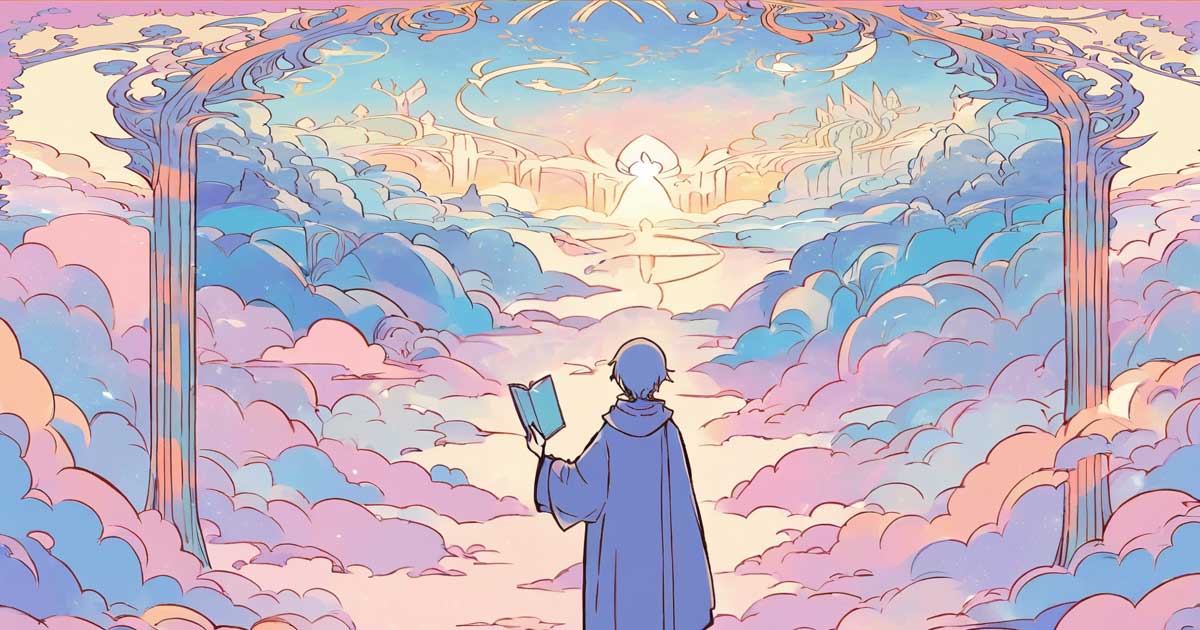
Why I Chose to Write an Isekai
Reader frustrations, authorial choice, and an assumed narrative framework Introduction — Why isekai naturally imposed itself I did not choose to write an isekai because it was fashionable.It imposed itself on me as the most natural response to my frustrations as a reader and to my ambitions as an author. Before writing, I spent a…
-
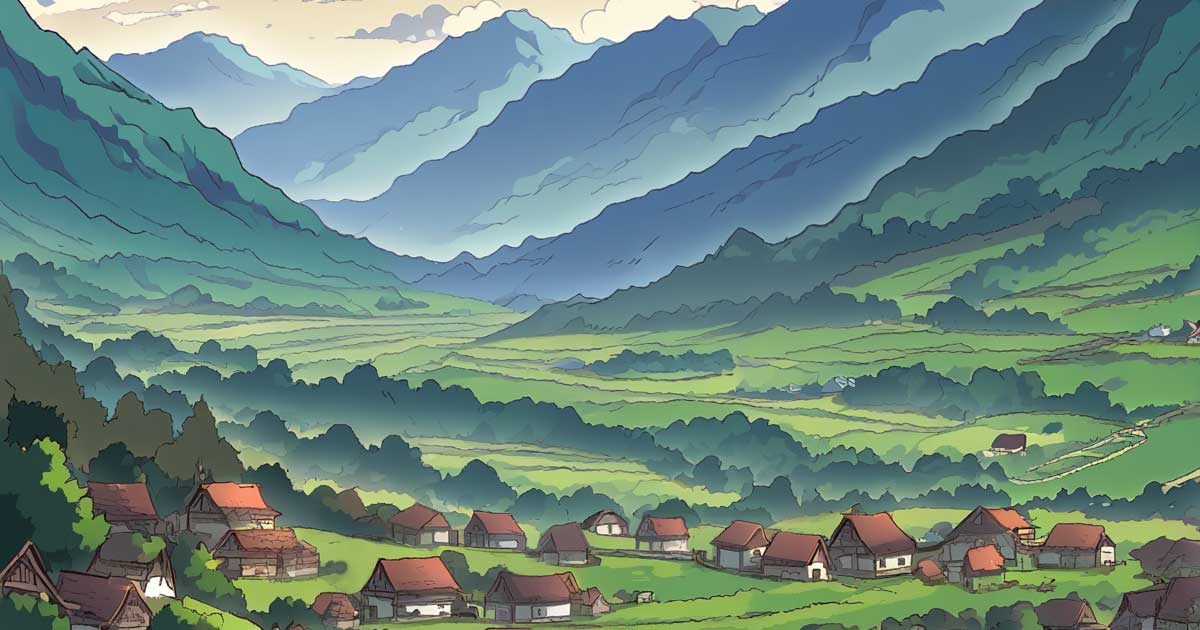
Worldbuilding: Building a Coherent Universe Without Explaining Everything — Rules, Margins, and Invisible Decisions
Worldbuilding is one of the pillars of a coherent universe in fantasy and isekai. Building a believable world does not mean explaining everything, but establishing structuring rules, a stable internal logic, and invisible decisions that can support the story over time. In this article, I am not describing a specific universe. I am presenting a…
-
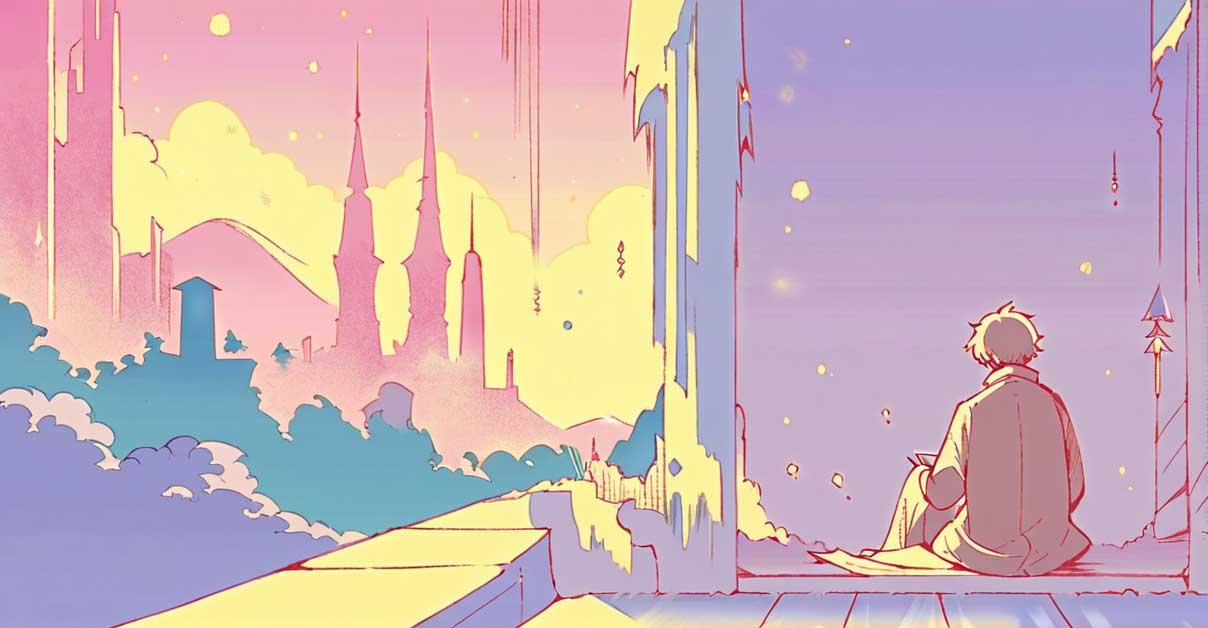
Learning to Write: What You Don’t See at First
The 5% of Writing That Is Visible Writing is often thought of as style. In reality, style is only the tip of the iceberg. When I decided to start writing, I was aware of one thing: I possessed only a small fraction of the skills required. Perhaps five percent. The desire to tell a story,…