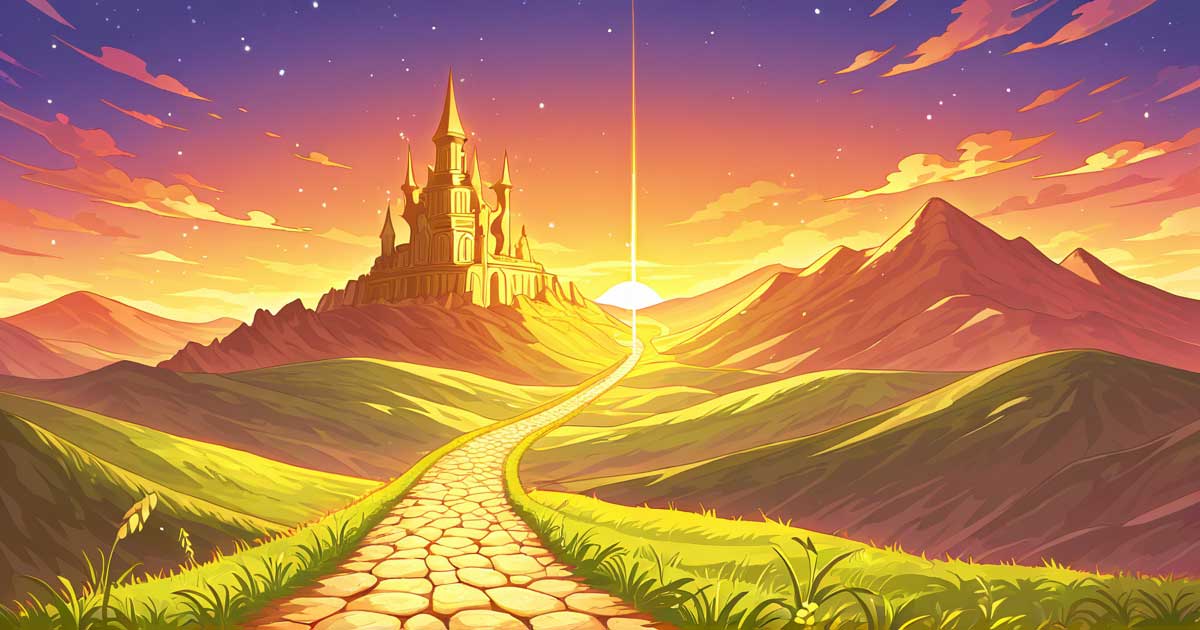

Light Novel Style
Light Novel Style refers to a narrative approach that prioritizes fluidity, pacing, and accessibility without sacrificing the depth of its universe. Emerging from the intersection of the novel form and the visual influence of manga, it emphasizes action, inner monologue, and clearly segmented scenes designed for immersive, continuous reading.
This style is first recognized through its efficiency. Narrative writing goes straight to the point while maintaining a distinct voice. Descriptions are focused, dialogue remains dynamic, and the alternation between narration and internal thought creates immediate proximity to the characters. Rather than relying on lengthy exposition, the story advances through lived experience.
In fantasy and isekai narratives, the light novel style relies on a clear structure: gradual progression, visible narrative milestones, and well-defined arcs. Training arcs, power progression, and character development integrate naturally into the flow of the story, enhancing readability without diminishing narrative stakes.
Illustration also plays a central role. It is not merely decorative; it sets the rhythm of reading, highlights key moments, and visually anchors the universe. Combined with coherent worldbuilding and a well-structured lore, illustration actively contributes to immersion.
The light novel style further distinguishes itself through its ability to incorporate game-inspired mechanics, such as level systems or skill systems, without disrupting narrative flow. When carefully balanced, these elements provide clear reference points and sustain dramatic tension rather than slowing the story down.
This section offers insight into the conventions, strengths, and uses of the light novel style, showing how it weaves together rhythm, universe, and progression. It outlines a reading path that highlights key writing choices and their effects, before leading into articles that explore its mechanisms, variations, and concrete applications in greater depth.
-

Ranobe: Understanding the Japanese Light Novel Phenomenon
What Is a Ranobe? The term ranobe (ラノベ) is the Japanese abbreviation of raito noberu, a phonetic rendering of the English expression light novel. In modern Japanese, loanwords are often shortened for easier use. Over time, raito noberu became ra-nobe, and eventually simply ranobe. In Japan, the word refers to a specific type of illustrated…
-

Why Light Novels Are Not “Inferior” Fiction
Introduction: a widespread misunderstanding The term light novel is often misunderstood. When compared to traditional novels, it is frequently perceived as a simplified or lesser form of fiction. This perception is based on surface-level characteristics—shorter length, direct writing style, and the presence of illustrations—but it fails to reflect the actual nature of the format. In…
-

The Role of the Mentor in a Light Novel Isekai
In a light novel isekai, the mentor plays a central role in the protagonist’s progression. More than a simple guide, they shape the character’s transformation, influence their decisions, and directly contribute to their development. But unlike in traditional fantasy, the mentor in an isekai is not meant to accompany the hero all the way to…
-

Isekai Novel vs. Isekai Light Novel
Isekai Novel vs. Isekai Light Novel: Understanding the Narrative Distinction The isekai genre is now global. But not all isekai works fall under the category of light novels. Confusing an isekai novel with an isekai light novel means mixing two distinct narrative approaches. The difference is not merely about format or length—it concerns structure, pacing,…
-

Can You Write a Light Novel in the West Without Losing Its Essence?
The global popularity of light novels, especially within fantasy and isekai settings, raises an increasingly common question among Western authors: Is it possible to write a light novel in the West without losing what makes the genre unique? At first glance, the answer may seem obvious. The narrative codes are visible, the tropes are recognizable,…
-

The Narrative Style of the Light Novel: Inner Voice, Intimacy, and Reader Alignment
The light novel is not merely an editorial format. It is a narrative stance. A direct relationship with the reader. A deliberately embraced sense of proximity. A mode of writing that favors inner voice, immediate emotion, and the gradual alignment between protagonist and audience. In ISEKAI The Otherworlder’s Heir, this principle is fully embraced. The…
-

Authority Figures in Fantasy Light Novels
Authority Figures in ISEKAI The Otherworlder’s Heir In many fantasy and isekai light novel stories, a protagonist’s development does not rely solely on adventure or the acquisition of new powers. It often depends on a network of authority figures that shape the hero’s psychology, values, and place in the world. These figures go beyond the…
-

The Relationship Between Power and Responsibility in a Narrative Universe
Power and Responsibility in Fantasy and Isekai: Building a Credible System In many fantasy stories, and especially in light novels and isekai, power occupies a central role. Magical power, political authority, military strength, or economic influence structure conflicts, alliances, and the evolution of characters. When a story grants extraordinary abilities to its characters without limits,…
-

Writing Light Novel Dialogue: Efficiency, Subtext, and Emotional Impact
In a light novel, dialogue is not narrative filler.In an isekai, it becomes a lens for cultural dissonance.In fantasy, it shapes power dynamics. In ISEKAI The Otherworlder’s Heir, every exchange is designed as a miniature dramatic confrontation, even when it appears light on the surface. Here is how. Subtext: What Is Left Unsaid Creates Tension…
-

Choosing the Narrative Tense in a Light Novel
Which narrative tense should you use when writing a light novel?Should an isekai or fantasy light novel be written in the present or in the past? This question often comes up among aspiring authors. Yet when we look at the dominant practices of Japanese storytelling, a clear pattern emerges: most light novels rely on past-tense…