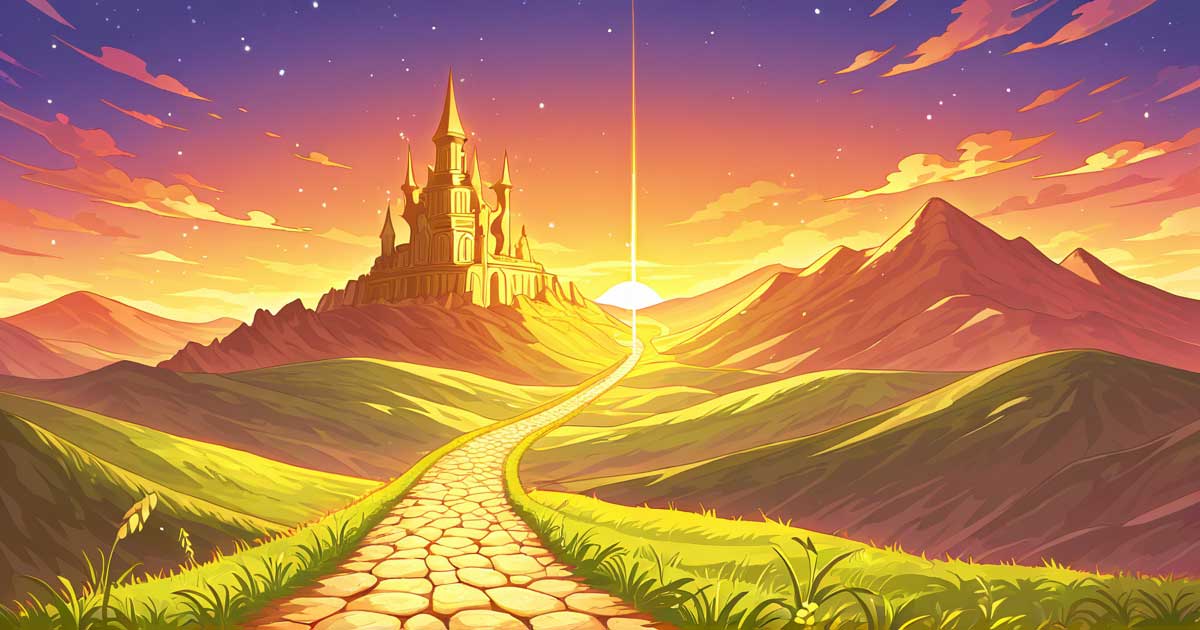

Light Novel Style
Light Novel Style refers to a narrative approach that prioritizes fluidity, pacing, and accessibility without sacrificing the depth of its universe. Emerging from the intersection of the novel form and the visual influence of manga, it emphasizes action, inner monologue, and clearly segmented scenes designed for immersive, continuous reading.
This style is first recognized through its efficiency. Narrative writing goes straight to the point while maintaining a distinct voice. Descriptions are focused, dialogue remains dynamic, and the alternation between narration and internal thought creates immediate proximity to the characters. Rather than relying on lengthy exposition, the story advances through lived experience.
In fantasy and isekai narratives, the light novel style relies on a clear structure: gradual progression, visible narrative milestones, and well-defined arcs. Training arcs, power progression, and character development integrate naturally into the flow of the story, enhancing readability without diminishing narrative stakes.
Illustration also plays a central role. It is not merely decorative; it sets the rhythm of reading, highlights key moments, and visually anchors the universe. Combined with coherent worldbuilding and a well-structured lore, illustration actively contributes to immersion.
The light novel style further distinguishes itself through its ability to incorporate game-inspired mechanics, such as level systems or skill systems, without disrupting narrative flow. When carefully balanced, these elements provide clear reference points and sustain dramatic tension rather than slowing the story down.
This section offers insight into the conventions, strengths, and uses of the light novel style, showing how it weaves together rhythm, universe, and progression. It outlines a reading path that highlights key writing choices and their effects, before leading into articles that explore its mechanisms, variations, and concrete applications in greater depth.
-
Understanding the Difference Between Isekai and Fantasy
Isekai vs Fantasy: What Truly Sets Them Apart Confusion between isekai and fantasy is common, particularly when the isekai genre is first encountered through contemporary light novels. Yet the difference between isekai and fantasy is not merely a matter of vocabulary—it lies in the very structure of the narrative. Fantasy refers to a broad literary…
-
Common Mistakes When Writing an Isekai
Writing an isekai often feels deceptively easy. The genre is codified, popular, and extensively explored. Many beginner writers are drawn to it thinking that following a few formulas is enough to produce an effective story. In reality, it is precisely this apparent accessibility that makes it a particularly demanding field. The most common mistakes do…
-
How to Write a Light Novel: From Concept to Volume Structure
Most light novel projects fail not because of style, but because of structure. Writing a light novel is not about telling a simplified long story. It is a precise architecture, designed for serialization, emotional progression, and sustained tension. Pasted text When applied to the isekai fantasy genre, every structural decision becomes even more strategic: the…
-

Why Light Novels Emphasize Action and Inner Monologue
Light novels often prioritize action and inner monologue, a narrative choice that frequently puzzles readers accustomed to Western fantasy novels. This orientation is sometimes perceived as a simplification of writing or a stylistic weakness. In reality, it rests on a coherent narrative logic, closely tied to the structure of the medium and the reading experience…
-
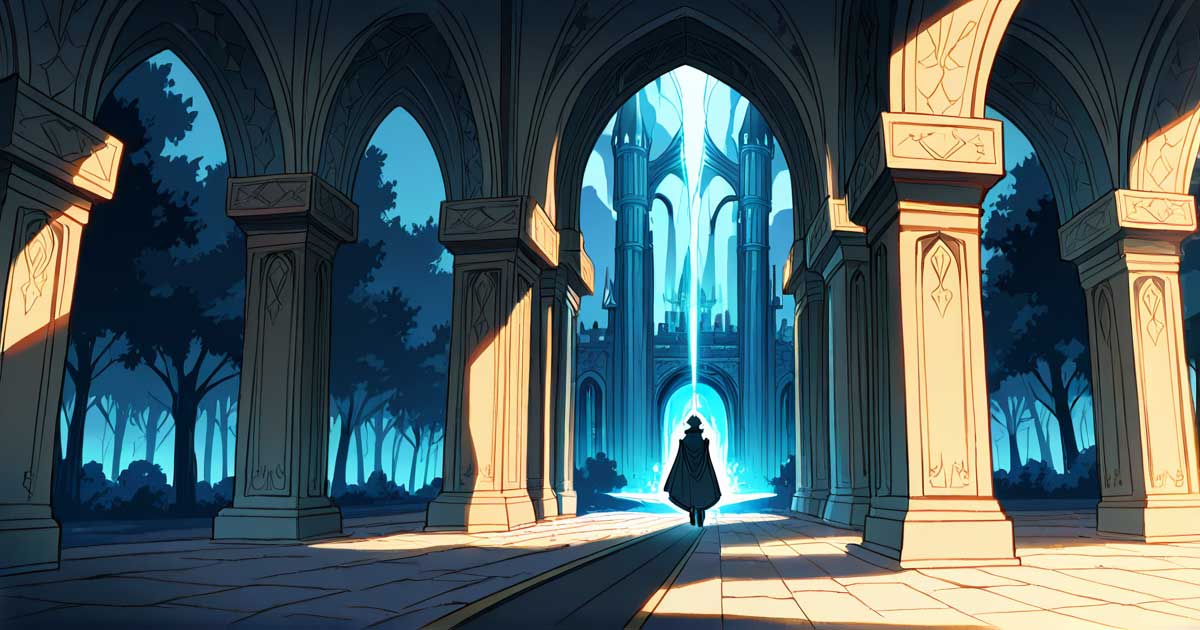
The Structure of the Light Novel Explained: Arcs, Rhythm, and Serialization Logic
Why Do Some Isekai Sagas Endure… While Others Collapse? Why do some isekai series surpass ten volumes while maintaining narrative tension, while others lose momentum after only a few books? The answer rarely lies in the initial concept.It lies in the structure of the light novel. A light novel is a serialized novel of Japanese…
-

What I Didn’t Know Before Writing My First Volume
(and why I still had to start anyway) Writing a book often begins with a contradiction. On the one hand, you feel you have an idea, a direction, something to say.On the other, you know perfectly well you’re not ready. Not really. Not technically. Not methodologically. When I started writing my first volume, I very…
-
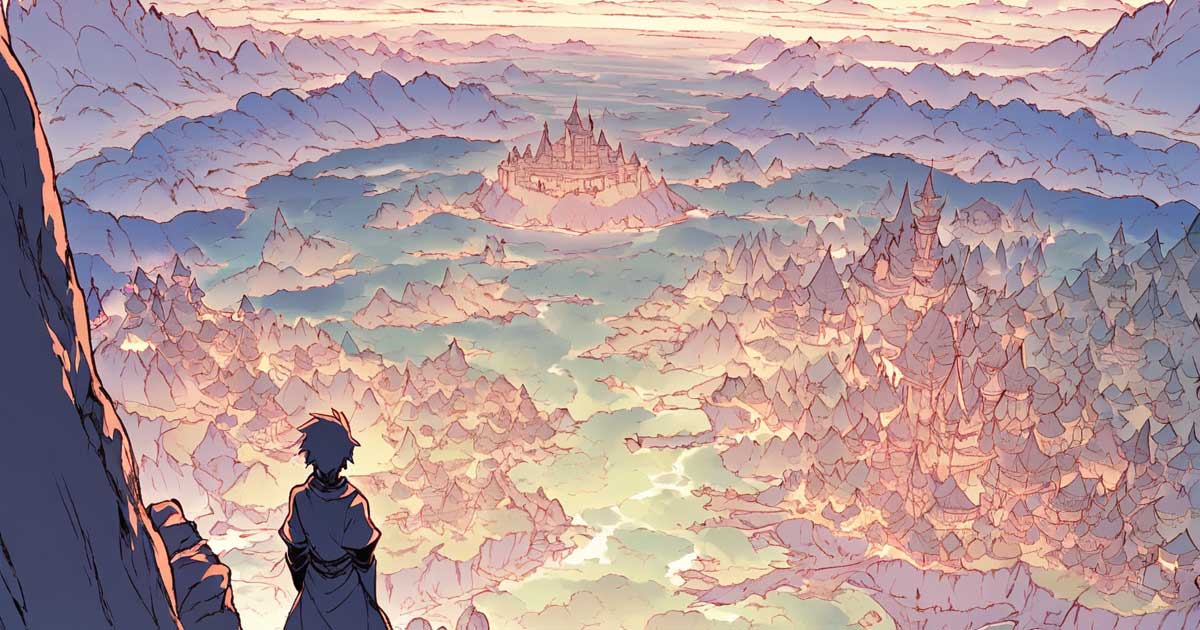
The Central Role of Progression in Light Novels
When discussing light novels, one concept comes up again and again—sometimes without being clearly named: progression.Many readers feel it instinctively, without always being able to define it. Yet it lies at the very heart of what makes the genre work, and even more so when it comes to isekai. Progression in Light Novels: More Than…
-
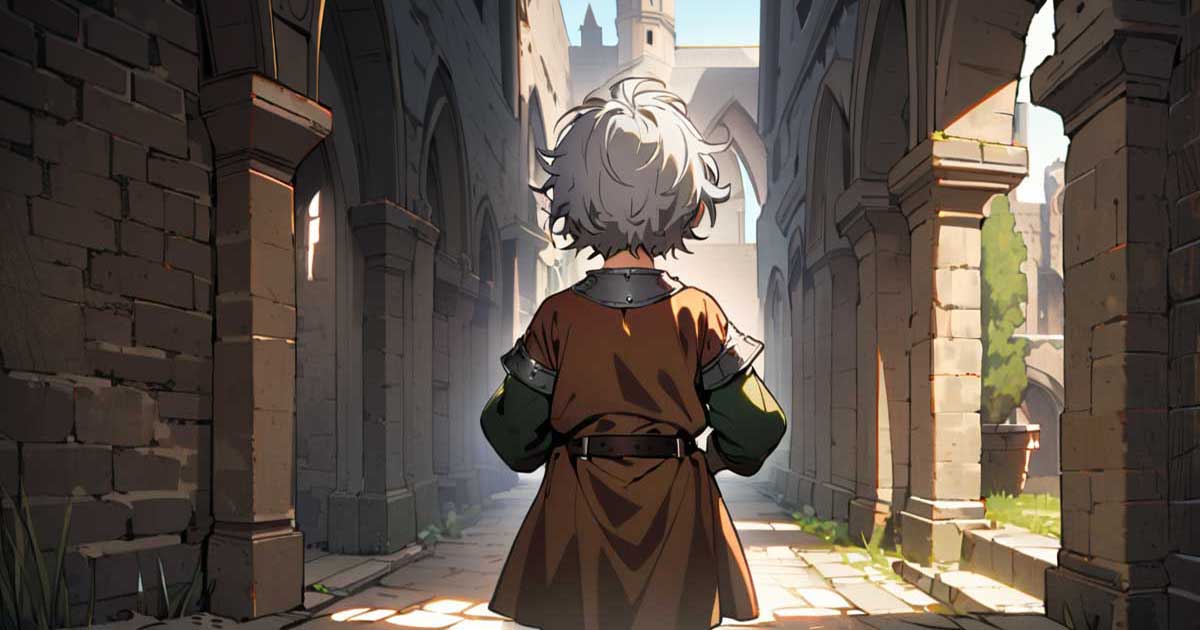
Building a Progression-Driven Protagonist
A Return of Experience with Arius Lovelace (Isekai) Characters & Emotional Dynamics In isekai, the question of progression comes up almost every time — and it is often reduced to a simple increase in power: more skills, higher numbers, greater advantages.Yet this kind of progression, effective as it may be in the short term, does…
-

The Author Website: Foundational Decisions and Embraced Independence
When visibility is discussed, many people think first of social media.This is a strategic mistake. Social networks are relays.The website, on the other hand, is the foundation. In a serious independent author’s approach, a website is not optional. It is the keystone of any long-term strategy — not because it is fashionable, but because it…
-
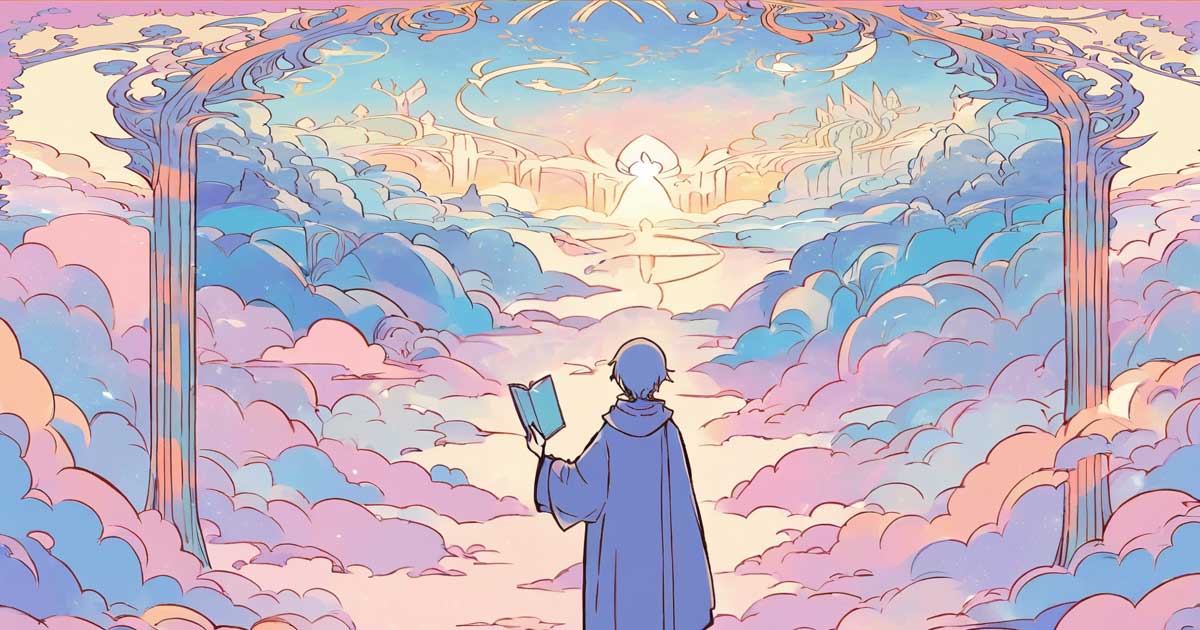
Why I Chose to Write an Isekai
Reader frustrations, authorial choice, and an assumed narrative framework Introduction — Why isekai naturally imposed itself I did not choose to write an isekai because it was fashionable.It imposed itself on me as the most natural response to my frustrations as a reader and to my ambitions as an author. Before writing, I spent a…