
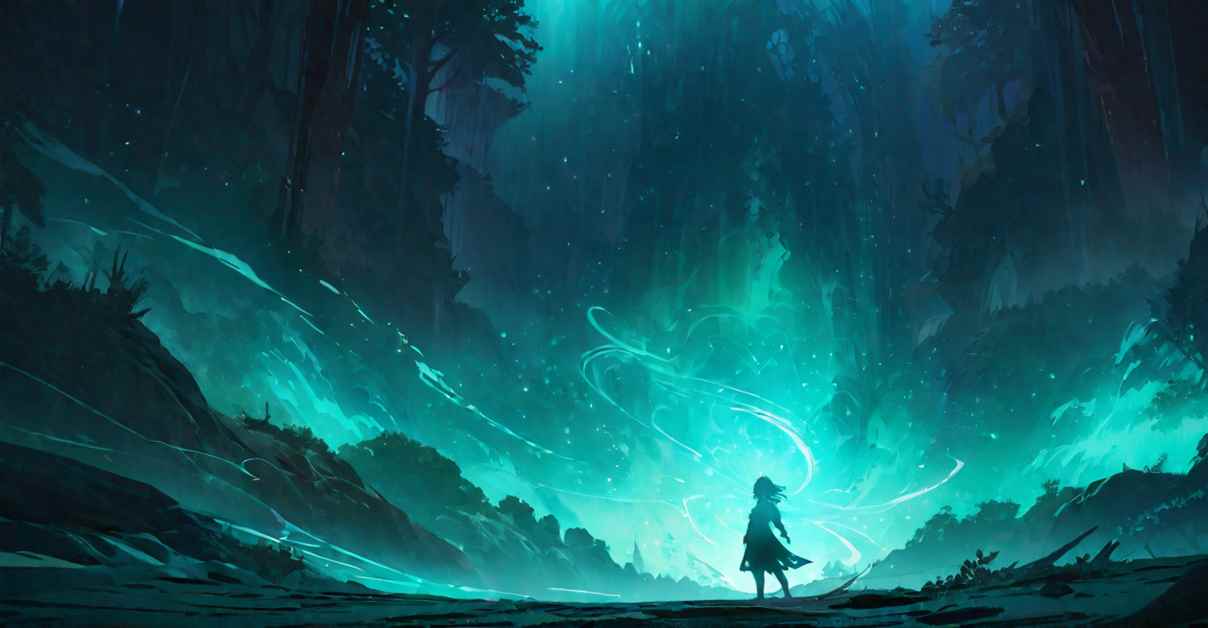
Isekai is one of the most popular genres in modern Japanese storytelling, spanning manga, light novels, and anime. It features a protagonist who is transported, summoned, or reincarnated into another world—often radically different from our own.
Since the 2010s, isekai has experienced a spectacular rise. Sword Art Online, Re:Zero, Mushoku Tensei, Overlord—these titles pushed the genre to the center of pop culture.
This article offers a clear definition of the genre, its variations, its narrative codes, and the reasons behind its success. It is intended both for curious readers and for aspiring authors interested in writing their own isekai light novel.
Simple Definition of Isekai
The word isekai (異世界) literally means “another world.”
In an isekai story, the protagonist leaves their original world and is thrust into a parallel universe. This transition can occur in several ways: reincarnation, magical summoning, accidental teleportation, or dimensional travel.
The Core Idea
➡️ An ordinary individual finds themselves in an extraordinary environment.
This shift enables a deeply transformative narrative in which the protagonist must learn the rules of a new world, uncover their powers or limitations, and face challenges greater than themselves.
Iconic examples include Mushoku Tensei (reincarnation), Re:Zero (summoning), Overlord (transport into an RPG world), and The Rising of the Shield Hero (summoned heroes).
The Different Types of Isekai
Isekai is not monolithic. It spans several subgenres, each with its own conventions and tone.
Reincarnation Isekai (tensei)
The protagonist dies in their original world and is reborn in another, often retaining memories or talents.
Examples: Mushoku Tensei, That Time I Got Reincarnated as a Slime.
Summoning Isekai
A character is magically called into another world, often to fulfill a specific mission.
Examples: Re:Zero, Shield Hero.
Portal Isekai (portal fantasy)
The protagonist voluntarily or accidentally crosses a portal between worlds.
Examples: Fushigi Yûgi, Spirited Away.
Reverse Isekai
Instead of the human entering another world, a creature or fantastical being arrives in ours.
Examples: The Devil Is a Part-Timer!, Dragon Goes House-Hunting (partially reversed).
Why Is Isekai So Popular?
Reader Identification
The protagonist is often an ordinary person with flaws and limitations.
They act as a mirror for the reader, who is also “thrown” into the adventure.
The Fantasy of a New Beginning
Leaving one’s daily life, starting over, living elsewhere…
Isekai embodies a universal aspiration.
This popularity is no coincidence. It is built on precise mechanisms of immersion, progression, and reader projection, which I explore in greater depth in a dedicated article.
👉 Why Isekai Works So Well: Immersion, Progression, and Narrative Fantasy
RPG Mechanics
Level bars, skills, stats, quests—
Isekai borrows heavily from modern video game conventions, which strongly appeal to both readers and gamers.
Protagonist Progression
The genre relies on dramatic character growth—both in power and maturity.
A fragile hero becomes braver, stronger, or wiser.
Narrative Tropes of the Isekai Genre
The Transported / Reincarnated Hero
The protagonist discovers the new world at the same pace as the reader, allowing for natural, immersive exposition.
A Unique System of Magic or Rules
Mana, ether, levels, innate abilities—
Isekai worlds usually have a structured system that governs the hero’s evolution.
Video Game–Inspired Progression
Main quests, side quests, guilds, dungeons…
These elements create a familiar rhythm for RPG fans.
Relationships and Emotional Bonds
Travel companions, unexpected allies, friendships, romance—
Human connection remains central to the genre.
Rising Stakes
As the hero grows, stakes expand: politics, war, destiny, mythology, balance of worlds.
Common Criticisms of the Genre
Despite its popularity, isekai often faces criticism for:
- repetitive story patterns
- overpowered protagonists
- shallow narratives
- poorly handled fanservice
These critiques have encouraged many authors to refresh the genre, offering richer worlds, more nuanced characters, and more mature themes.
How to Write a Good Isekai: Tips for Authors
Build a Coherent World
A strong isekai requires a living universe with its own rules, myths, and conflicts.
Give Meaning to the World Transfer
Why this hero? Why now?
A solid justification makes the story more credible.
Avoid Easy Clichés
The omnipotent hero, the overly simple quest, interchangeable characters…
A compelling isekai stands out through nuance.
Craft a Balanced Power Progression
The reader must feel real learning, limitations, and effort.
Find Your Own Tone
Humor, drama, introspection, politics—
The genre allows many variations as long as the author’s identity remains clear.
Case Study: The Series ISEKAI The Otherworlder’s Heir
In my own series, ISEKAI The Otherworlder’s Heir, I explore a medieval isekai built on magic, politics, drama, and the shaping of an inherited legacy.
The protagonist, Arius, grows up in a world where mana and ether follow distinct rules, and where every choice carries moral and political consequences.
Progression, pacing, and emotional depth are central to the story, with a constant ambition to balance action, humor, drama, and human relationships.
Conclusion
Isekai is a rich and versatile genre blending adventure, introspection, and reinvention. Its strength lies in the promise of a new beginning, the discovery of an unfamiliar world, and the evolution of a hero facing challenges beyond their limits.
Whether comedic, dramatic, political, romantic, or epic, isekai remains an extraordinary narrative playground for both authors and readers.
FAQ
Does an isekai always involve reincarnation?
No. Reincarnation is a subgenre. Summoning, portal travel, and other transitions also exist.
What’s the difference between fantasy and isekai?
Fantasy takes place in a fictional world from the start.
Isekai involves crossing between worlds.
Why do isekai stories use RPG mechanics?
Because they structure the hero’s progression and draw inspiration from video games—a language already familiar to readers.